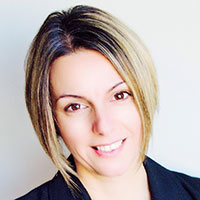
 Panayiota Kendeou, PhD is a Distinguished McKnight University Professor of educational psychology at the University of Minnesota and the editor-in-chief of Journal of Educational Psychology (EDU).
In this interview, Kendeou discusses the journal’s adoption of open science practices and shares insights for authors hoping to publish in the journal.
Conversation with Panayiota Kendeou, PhD
Why is the Journal of Educational Psychology important for the field?
Throughout the Journal of Educational Psychology’s history, it has published high-quality empirical research that has advanced both theory and practice in the field of educational psychology and education more broadly. The publication standards set in the journal not only have a direct impact on what is published but also influence how research is conducted in the field and how the next generation of scholars is trained to conduct such research. My main priorities as editor-in-chief are to be a good steward of this legacy and to continue to enhance the journal’s commitment to research excellence through greater emphasis on diversity and transparencyopens in new window.
What steps have you taken to encourage open science in the Journal of Educational Psychology?
We adopted Level 1 of the Transparency and Openness Promotion Guidelines. This means that the journal now strongly encourages the transparency of methods and analytical approaches and open access to data in the research conducted and submitted for publication. We also strongly encourage researchers to preregister their studies and analysis plans prior to conducting their research and to share their materials. To recognize these practices, the Journal of Educational Psychology makes its articles eligible for open science badges that identify publicly available data, materials, and/or preregistration plans and analyses. These badges are awarded on a self-disclosure basis. Concurrently with the adoption of Level 1 guidelines, we now also invite the submission of registered reports (RRs). RRs implement the highest standards of transparency and open science practices. We are particularly interested in RRs for intervention research. This emphasis is in accord with the central role of intervention research in identifying causal mechanisms and evidence-based practices in education, requirements from funders to preregister large-scale intervention studies, and the need to reduce bias against null or negative results in intervention research. Finally, we also strongly encourage the use of CRediTopens in new window, which follows a contributorship rather than an authorship model.
What steps would you encourage an author to take to learn about and engage with open science practices?
I understand that engaging with open science practices necessitates changing how research is conducted and reported. I also understand that such changes are not easy and present several challenges—a lot of us in the field have not received training in open science practices as graduate students or junior scholars. I encourage everyone to approach the challenge of learning and implementing these practices with an open mind and not to conceptualize open science practices as an “all or nothing” endeavor. Like many of you, I am also in the process of educating myself and my students on how we can move toward greater transparency and openness in our research. In this quest, I have found the following resources extremely helpful:
- the Center for Open Scienceopens in new window, my one stop for anything and everything open science related, including training opportunities and accessible registries and preprints;
- this paper in Collabra: Psychologyopens in new window, where authors outline how researchers can ‘ease’ into open science practices;
- this special issue in Educational Psychologistopens in new window, where authors discuss the potential benefits and limitations of open science in educational psychology; and
- the contributors’ roles taxonomy of CRediTopens in new window.
What advice would you give to an author hoping to publish work in your journal?
First, review our instructions to authors and scope to gauge the fit of the specific paper you are considering for submission to the journal. We seek original, primary psychological research and important meta-analyses pertinent to education. We emphasize the advancement of theory, methodological rigor, and sophistication in analytical strategies across all topics and areas of educational psychology. Second, read recently published articlesopens in new window to achieve a deeper understanding of the publication standards applied in the journal. Third, review my inaugural editorialopens in new window for the minimum criteria that need to be met for a paper to be reviewed by the journal. For any questions, don’t hesitate to reach out to my editorial officeopens in new window. I’m looking forward to receiving your submissions!
Date created: March 2022