There is a plethora of published materials available including manuscripts that detail the replication crisis (e.g., OSC, 2015), practices that contribute including p-hacking (e.g., Simmons et al., 2011), HARKing (Kerr, 1998), selective reporting of conditions, manipulations, predictors/outcomes, and low statistical power (e.g., Bishop, 2019). There are also excellent papers on the need for clinical psychologists to get involved in these practices (Tackett et al., 2017, 2019).
Of course, the Center for Open Science’s OSF is a wonderful resource for all aspects—it is where preregistrations can be listed, as well as data, code, and materials. There are helpful “how tos” for registered reportsopens in new window and preregistrationopens in new window there as well.
The leadership at PDTRT is strongly invested in supporting and furthering open science and, thereby, improving personality disorder research. We’d like to see more manuscripts that are replications of important studies, that include preregistration or, better yet, use a registered report approach, that earn badges for open data, code, and/or materials. Submissions that use these approaches garner significant editorial attention and can only increase the likelihood that the manuscript might ultimately be deemed acceptable for publication at PDTRT.


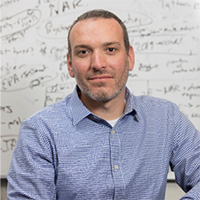 Joshua D. Miller, PhD, is Distinguished Research Professor of Psychology and chair of the clinical program at the University of Georgia, as well as the editor-in-chief of APA journal Personality Disorders: Theory, Research, and Treatment. Miller studies the connections between personality and psychopathology, focusing particularly on personality disorders related to externalizing difficulties like narcissism and psychopathy.