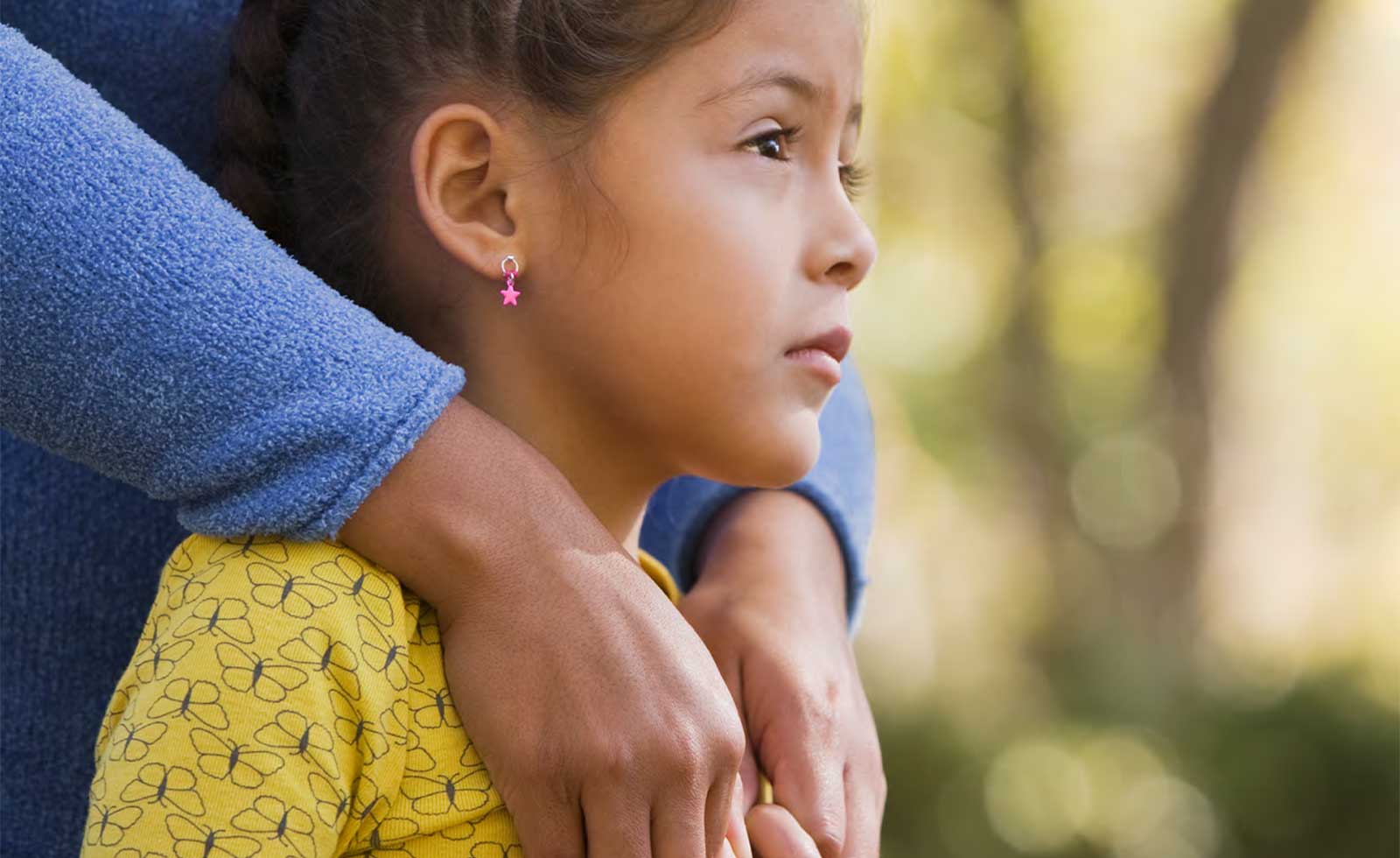
Since the 2021 report, Mental Health and Our Changing Climate: Impacts, Inequities, Responses (PDF, 4.28MB)opens in new window appeared, concerns about the mental health impacts of climate change have grown among scientists, health professionals, policymakers, and the public, and the effects on children and youth are more pronounced. Research on youth, climate, and mental health has accelerated, and many new findings have emerged. This report aims to provide readers with information and guidance to understand and support children and youth, and take effective action.
In addition to findings from peer-reviewed research, this report contains first-hand accounts describing the lived experiences from affected young people, as well as adults who are working alongside them in allyship.
[Related: Psychology topics: Climate change]
Mental health impacts
Children and youth face a myriad of challenges today. The impacts of climate change intersect with and compound other factors that threaten youth mental health, including child development, parental health, increasing rates of depression and suicide, racism, poverty, housing security, adequate nutrition, and access to medical care, as well as major societal issues like Covid-19, gun violence, social media, and much more.
The acute impacts of climate change, such as weather disasters, can cause trauma and PTSD in the short term, and many longer term mental health challenges in the absence of proper interventions. The longer-term impacts of climate change, such as heat, drought, and poor air quality can increase the risk of anxiety, depression, bipolar disorder, cognitive function impairment, interpersonal aggression, and other mental health impacts.
[Related: How does climate change affect mental health?]
Prenatal impacts of climate change can derail the normal development of physiological systems, cognitive abilities, and emotional skills in ways that are sometimes irreversible. Children exposed prenatally to weather disasters, high temperatures, air pollution, and maternal anxiety are at risk for a range of social, cognitive, psychiatric, and behavioral dysfunctions.
Infants and children are increasingly exposed to extreme weather, heat, air pollution, displacement, and news about climate change impacts. This can lead to anxiety, sleep troubles, PTSD, use of emergency room services, learning decrements, disrupted cognitive development, and major depressive disorder.
Adolescents and young people are undergoing significant neural and cognitive development and learning skills that will shape their life trajectory. They are susceptible to the mental health effects of extreme weather, high temperatures, and the chronic and indirect impacts of climate change. They can be affected by disrupted schooling, family and financial stress, displacement, food insecurity, and understanding dire climate outlooks, which can result in impaired cognition, decision-making, and test performance, depression, strained social relationships, lower levels of self-control, climate anxiety, and suicide.
[Related: How climate change is impacting our children]
Solutions
Systems-level solutions to tackle climate change, such as rapid transitions to clean energy and sustainable agriculture, are needed to reduce the mental health consequences of climate change on children. Climate policies need to prioritize the impact of systemic racism and environmental injustice. Policy and other systems-level changes are necessary to build community resilience, including meeting children’s basic needs (adequate nutrition, clean water, stable housing, and safe schools), with special attention to vulnerable populations. Policies and programs that expand access to mental health care are needed to provide children and youth support as climate impacts increase.
Community solutions, including prevention and early detection, are critical. Climate action and resilience plans are needed and must include provisions for children and other vulnerable communities. Planning should recognize that the underlying social and environmental determinants of mental health intersect and worsen with climate change. Creating a safe environment for childhood development should begin with engaging the community in planning, and will require bolstering both physical infrastructure and social infrastructure. Creating opportunities for young people to get involved will benefit their mental health, boost social connection and personal efficacy, and alleviate anxiety.
Health care systems and professionals can screen early and regularly for climate-related distress among children and youth, particularly after extreme weather. Regular pediatric medical assessments could include a question about climate-related concerns. After a disaster, lower-intensity interventions, such as a conversation with a mental health provider, may help children process emotions; stepped care models can be employed to meet the spike in need.
Content excerpted from the opening letter and executive summary of the report.