

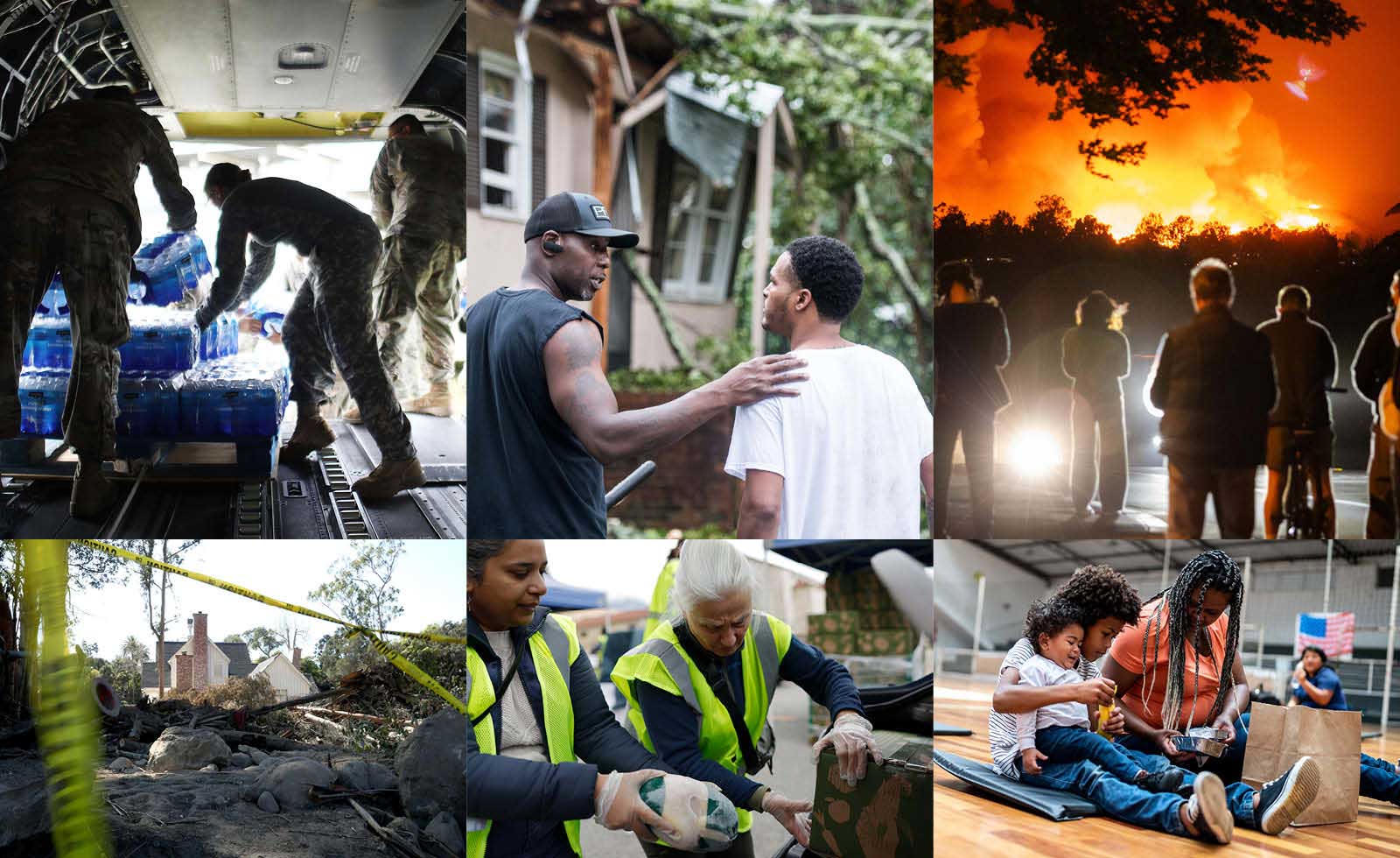
As the frequency and severity of major disasters continue to rise, the psychological impact on communities—particularly vulnerable populations such as children, older adults, and those in low-income areas—has become a critical public health challenge. While traditional emergency management focuses heavily on physical safety and infrastructure, there remains a significant gap in the systematic integration of psychological science into national disaster frameworks. This report emphasizes the essential role of psychologists in fostering community resilience and ensuring that mental health support is a fundamental component of every stage of disaster response.
Executive summary
This report provides a strategic roadmap for APA to lead a national effort in strengthening disaster behavioral health capacity. Findings from a comprehensive report reveal significant systemic gaps, including a lack of formal disaster behavioral health training in 85% of doctoral programs and a lack of curated, accessible resources for community-level practitioners. To address these challenges, the Task Force proposes a Four-Point Strategy:
- Federal partnership: Engaging the White House and the U.S. Department of Health and Human Services’ Administration for Strategic Preparedness and Response to ensure psychological science is integrated into the new National Resilience Strategy and National Risk Register.
- Strategic research: Prioritizing practice-oriented studies on compounding trauma, climate justice, and evidence-based protocols for high-risk congregate settings.
- Training validation: Establishing an APA Center for Psychological Preparedness to serve as a national clearinghouse for validating and disseminating evidence-based training modules.
- Internal asset leverage: Formally reactivating and pivoting the APA Disaster Resource Network to serve as the research and resource engine for this initiative.
The report finds that by operationalizing these recommendations, the APA can decisively strengthen its role as the leading voice for psychology in national preparedness and response.