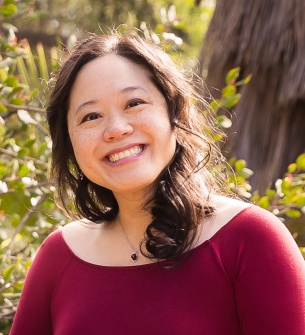
Rachel Wu, PhD, is an associate professor of psychology at the University of California, Riverside. Her research explores the drivers of cognitive development and decline across the human lifespan, including among underprivileged older adults.
American Psychological Association. (2025, July 17). Older adults at risk of cognitive and functional decline. https://www.apa.org/research-practice/conduct-research/science-suspended/cognitive-decline
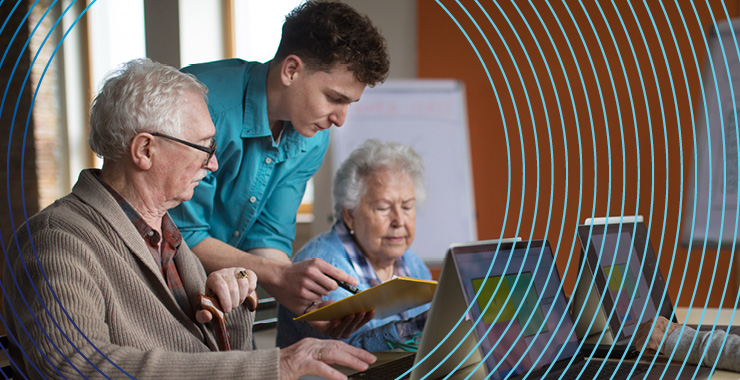
Our prior studies found that after 6 weeks of learning multiple skills simultaneously, older adults had similar scores on memory and attention tests as middle-aged adults. One year later, participants’ scores were similar to undergraduate students. On top of that, they experienced increased confidence, motivation, and desire to learn other things. They were also less afraid to adapt to changes in their environment.
We started this intervention project in 2018, but COVID-19 shut everything down. It took us two years to restart it because I had to assemble a research team to hire instructors to teach the classes, train people to perform the cognitive assessments, and secure contracts to work in senior centers.
This is the only intervention I know that is run in multiple languages and serves lower income minority seniors. Every single participant has shared how the classes completely changed their lives, and many realized how little they were learning prior to taking the classes. It is upsetting to think about not being able to provide this opportunity to the dozens of additional people who would have directly benefited from the program at a second location.
As a result of the program, participants are less afraid to learn things like how to walk again after breaking a hip, how to navigate a new city after moving to be closer to family, how to use online banking or coupons on an app, and much more. The people we are studying would not typically sign up for research studies or classes because they are underprivileged, so it is a real disappointment that we cannot continue to benefit them and their broader communities.