


skip to main content

Rural LGBTQ people affected by cancer

“We were just starting to make progress to answer these questions”
APA Style leaf logo Cite This Article in APA Style
American Psychological Association. (2025, July 17). Rural LGBTQ people affected by cancer. https://www.apa.org/research-practice/conduct-research/science-suspended/rural-lgbtq-cancer
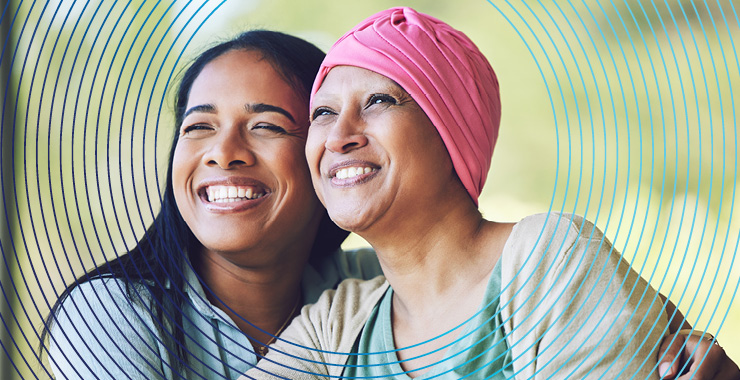
LBGTQ couple, one of whom is bald from cancer treatments

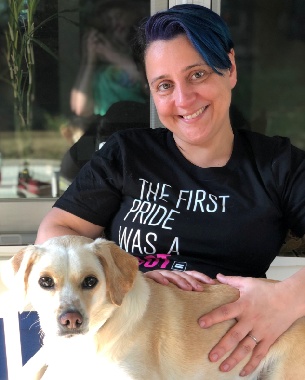
Mandi L. Pratt-Chapman, PhD, is the associate center director for scientific communication and a professor of medicine at the George Washington University School of Medicine and Health Science in Washington, D.C. Her research addresses topics including health equity and cancer survivorship, with a focus on improving the health of lesbian, gay, bisexual, transgender, queer, and intersex populations.

Mandi L. Pratt-Chapman, PhD
I had a grant terminated that resulted in a stop work order and inability to complete a large study that would benefit rural LGBTQ people affected by cancer. LGBTQ people are at greater risk for cancer due to decades of targeted marketing by alcohol and tobacco companies and historical safe havens associated with bar culture. Additionally, LGBTQ people may be at greater risk for negative experiences of cancer screening based on past traumatic experiences inside and outside the healthcare system. In rural areas, LGBTQ people may be even more reticent to access care than in urban settings because clinicians in these areas usually have less experience with LGBTQ patients. Patients may be afraid of bringing a significant other to treatment because they are not sure how their partner will be received by the clinical team. For therapy that includes medications, there may be differences in how these medications work for LGBTQ patients who are taking hormones. If someone who needs radiation treatment for cancer has undergone surgery for gender-affirming care, this could affect the care plan. There are very little data on these clinical considerations for cancer care.


We don’t currently have cancer screening guidelines tailored to LGBTQ patients, and I was working to address this problem. For example, transgender women usually retain their prostate and have PSA levels well under the cutoff for cisgender men. We need prostate screening guidelines that account for the fact that PSA levels that are cause for concern should be lower for transgender women. Many clinicians are figuring out what to do with LGBTQ oncology patients on a case-by-case basis, and the goal of this study was to lay the groundwork for better education and guidelines through systematic Sexual Orientation and Gender Identity (SOGI) data collection. We don’t yet have randomized clinical trials of this patient population, and the current guidelines are based on assumptions of cisgender/heterosexual status. We were just starting to make progress to answer these questions, and all my projects are now at risk.

I started my work on LGBTQ patient care 10 years ago after I came out. At the time, I focused on patient navigation and cancer survivorship workforce capacity. Now it feels like I'm being asked to literally change everything that I have spent more than a decade working on. All the progress I thought I had contributed to feels lost. I hope I can continue doing the work I feel passionate about, but I just don’t know if that will be possible.




The firsthand accounts in this series represent experiences shared by the featured researchers. APA presents these perspectives to illustrate the various ways federal policy changes are affecting psychological science across different research areas. While APA recognizes the importance of documenting these experiences, the specific views and interpretations expressed are those of the individual researchers and do not necessarily represent APA positions or policies.


Back to the series landing page

Recommended Reading

You may also like