Episode 401: Why nostalgia is good for you, with Tim Wildschut, PhD
November 11, 2026
Nostalgia is a bittersweet emotion, but psychologists’ research suggests that most of the time, it’s good for us—it can strengthen our relationships and give our lives meaning and continuity. Tim Wildschut, PhD, of the University of Southampton, discusses how researchers define nostalgia; why loneliness, a bad mood, and even a cold day can trigger it; when it can have downsides; and how technology is changing the way we look back at the past.
Episode 400: How people respond to extreme weather risks, with Brett Gelino, PhD, and Gabrielle Wong-Parodi, PhD
November 4, 2026
Wildfires, hurricanes, heat waves, and floods are growing more frequent and more costly, and communities are racing to adapt. But new infrastructure only helps if people use it, and warnings only work if people act on them. Gabrielle Wong-Parodi, PhD, of Stanford University, and Brett Gelino, PhD, of the University of Massachusetts Lowell, discuss what a climate-resilient community looks like; why repeated alerts can lose their urgency and how officials can convey risk without causing people to tune out; and how research can get into the hands of planners and emergency responders who need it.
Episode 399: Helping humans and wildlife coexist, with Suzanne MacDonald, PhD
October 28, 2026
Many of us share our cities and neighborhoods with animals that lived there before we moved in, such as raccoons, turtles, and crows. Suzanne MacDonald, PhD, of York University, discusses why some species thrive in urban environments while others struggle; how city living changes animal behavior; and how understanding animal cognition and behavior can help wildlife and humans coexist better.
Episode 398: Why we complain and how to do it better, with Robin Kowalski, PhD
October 21, 2026
Whether it’s grumbling about a boss, the weather, or a spouse’s most annoying habit, we all complain. Robin Kowalski, PhD, of Clemson University, discusses why we complain; the difference between venting and complaining to get results; how to complain in a way that doesn’t wear people out; and how mindfulness and journaling can help you complain less.
Episode 397: Beyond screen time: What makes educational technology effective, with Nicole Barnes, PhD
October 14, 2026
Digital tools now help teach students everything from spelling to math to science—but flashy features don’t always translate to learning. Nicole Barnes, PhD, executive lead psychologist for education at the American Psychological Association and lead author of a new report on children’s and adolescents’ learning with educational technology, discusses how to tell the difference between engagement and real learning; why generative AI tools call for extra caution; and what teachers offer that technology can’t replace.
Episode 396: Are you a workaholic or just a hard worker? With Malissa Clark, PhD
October 7, 2026
Many of us have trouble switching off from work, whether it's staying late at the office, checking messages on vacation, or lying awake running through tomorrow's to-do list. Malissa Clark, PhD, of the University of Georgia, discusses how workaholism differs from simply working hard; why it's about more than hours on the clock; how it affects physical health, mental health, and relationships; and how workplaces can encourage a healthier relationship with work.
Episode 395: Can envy be good for you? With Jens Lange, PhD, and Sara Protasi, PhD
September 30, 2026
We’ve all felt a pang of envy watching a friend’s success or a colleague’s promotion. But does this much-maligned emotion deserve its negative reputation? Psychologist Jens Lange, PhD, and philosopher Sara Protasi, PhD, discuss the difference between envy and jealousy; why we’re often most envious of the people closest to us; and how envy may, in the right circumstances, motivate us to grow.
Episode 394: Are you burned out or ‘bored out’? With Lotta Harju, PhD, and Sharon K. Parker, PhD
September 23, 2026
Burnout gets all the attention, but some employees struggle with a different problem: chronic boredom on the job, sometimes called “boreout.” Lotta Harju, PhD, of EM Lyon Business School, and Sharon K. Parker, PhD, of Curtin University, discuss how boreout differs from burnout, how it can affect workers’ health and well-being, and what individuals, managers and organizations can do to design more engaging work.
Episode 393: The science of suicide prevention, with Matthew Nock, PhD
September 16, 2026
The U.S. suicide rate today is almost identical to what it was a century ago, even as death rates from many other causes have dropped. Matthew Nock, PhD, of Harvard University, discusses why it’s so hard to predict who will act on suicidal thoughts—and when; how new tools, from electronic health records to smartphone sensors, are helping researchers understand risk in real time; what interventions show the most promise; why stigma and fear keep us from discussing suicide; and why open conversations are key to prevention.
The New York Times
named
Speaking of Psychology
as second on their list of health podcasts that are “entertaining and enlightening but firmly grounded in science.”
Your host: Kim I. Mills
Kim I. Mills created Speaking of Psychology in 2013 and took over as host in 2020. She is the former senior director of strategic external communications and public affairs for the American Psychological Association and spent 14 years as a reporter and editor for The Associated Press. Mills has also written for publications including The Washington Post, Fast Company, American Journalism Review, Dallas Morning News, and Harvard Business Review.
Podcast advertising
Interested in advertising on the Speaking of Psychology podcast? Visit the APA Advertising microsite to learn more.


 Nostalgia is a bittersweet emotion, but psychologists’ research suggests that most of the time, it’s good for us—it can strengthen our relationships and give our lives meaning and continuity. Tim Wildschut, PhD, of the University of Southampton, discusses how researchers define nostalgia; why loneliness, a bad mood, and even a cold day can trigger it; when it can have downsides; and how technology is changing the way we look back at the past.

 Wildfires, hurricanes, heat waves, and floods are growing more frequent and more costly, and communities are racing to adapt. But new infrastructure only helps if people use it, and warnings only work if people act on them. Gabrielle Wong-Parodi, PhD, of Stanford University, and Brett Gelino, PhD, of the University of Massachusetts Lowell, discuss what a climate-resilient community looks like; why repeated alerts can lose their urgency and how officials can convey risk without causing people to tune out; and how research can get into the hands of planners and emergency responders who need it.
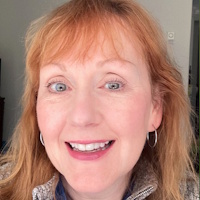 Many of us share our cities and neighborhoods with animals that lived there before we moved in, such as raccoons, turtles, and crows. Suzanne MacDonald, PhD, of York University, discusses why some species thrive in urban environments while others struggle; how city living changes animal behavior; and how understanding animal cognition and behavior can help wildlife and humans coexist better.
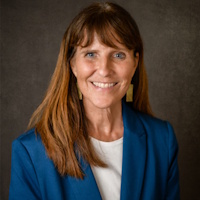 Whether it’s grumbling about a boss, the weather, or a spouse’s most annoying habit, we all complain. Robin Kowalski, PhD, of Clemson University, discusses why we complain; the difference between venting and complaining to get results; how to complain in a way that doesn’t wear people out; and how mindfulness and journaling can help you complain less.
 Digital tools now help teach students everything from spelling to math to science—but flashy features don’t always translate to learning. Nicole Barnes, PhD, executive lead psychologist for education at the American Psychological Association and lead author of a new report on children’s and adolescents’ learning with educational technology, discusses how to tell the difference between engagement and real learning; why generative AI tools call for extra caution; and what teachers offer that technology can’t replace.
 Many of us have trouble switching off from work, whether it's staying late at the office, checking messages on vacation, or lying awake running through tomorrow's to-do list. Malissa Clark, PhD, of the University of Georgia, discusses how workaholism differs from simply working hard; why it's about more than hours on the clock; how it affects physical health, mental health, and relationships; and how workplaces can encourage a healthier relationship with work.

 We’ve all felt a pang of envy watching a friend’s success or a colleague’s promotion. But does this much-maligned emotion deserve its negative reputation? Psychologist Jens Lange, PhD, and philosopher Sara Protasi, PhD, discuss the difference between envy and jealousy; why we’re often most envious of the people closest to us; and how envy may, in the right circumstances, motivate us to grow.

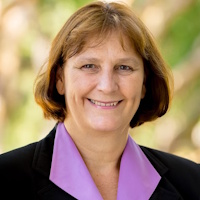 Burnout gets all the attention, but some employees struggle with a different problem: chronic boredom on the job, sometimes called “boreout.” Lotta Harju, PhD, of EM Lyon Business School, and Sharon K. Parker, PhD, of Curtin University, discuss how boreout differs from burnout, how it can affect workers’ health and well-being, and what individuals, managers and organizations can do to design more engaging work.
 The U.S. suicide rate today is almost identical to what it was a century ago, even as death rates from many other causes have dropped. Matthew Nock, PhD, of Harvard University, discusses why it’s so hard to predict who will act on suicidal thoughts—and when; how new tools, from electronic health records to smartphone sensors, are helping researchers understand risk in real time; what interventions show the most promise; why stigma and fear keep us from discussing suicide; and why open conversations are key to prevention.