
skip to main content
Dissertation Research Award recipients

2025 APA Dissertation Research Award recipients

16 graduate students receive funding for their research

APA Style leaf logo Cite this in APA Style
American Psychological Association. (2025, October 14). 2025 APA Dissertation Research Award recipients. https://www.apa.org/science/awards/2025-dissertation-award

The American Psychological Association congratulates the outstanding graduate students who have been awarded the 2025 Dissertation Research Awards. These awards are made annually by APA Science to assist with the costs of dissertation research. From over 100 excellent applications, 16 students received awards of up to $5,000.

See the APA Dissertation Research Award website for more information.

Emily K. Burr Emily K. Burr, University of Central Florida
Applying Harm Reduction to Binge-Eating Disorder: An Investigation of Protective Behavioral Strategies Against Uncontrolled

Binge-eating disorder (BED), characterized by recurrent binge eating (BE; losing control over one’s eating paired with consuming an objectively large amount), is associated with increased morbidity and mortality and lower quality of life. Close to half of BED patients relapse within six months to a year of treatment. Therefore, identifying additional methods to alleviate BED symptoms is crucial. One potentially fruitful approach is harm reduction. Protective behavioral strategies (PBS), behaviors one can engage in to reduce risk without abstinence (e.g., counting one’s drinks when consuming alcohol), are used across health domains such as substance use and safe-sex practices. Emily’s dissertation assesses the applicability and effectiveness of PBS for BE in a three-phase design using individuals with and without BED. Qualitative interviews identify PBS to create a measure of PBS for BE. This measure is then validated and refined, and ecological momentary assessment is used to assess presence and effectiveness of PBS against BE in real time. Results may provide critical information to increase treatment effectiveness, particularly for those who are far into the illness or with low self-efficacy.

Emily Burr is a sixth-year clinical psychology doctoral candidate at the University of Central Florida. She graduated from Princeton University with her BA in psychology, following which she undertook clinical health research across a variety of domains (e.g., body image concerns, cigarette smoking). Her personal research in graduate school has spanned across identifying vulnerabilities that contribute to maladaptive health behaviors, typically regarding binge-type eating, but also with a secondary focus on substance use in her collaborations. Emily’s work has allowed her to apply a transdiagnostic lens and identify contributing cognitive and affective factors to dysregulated eating. She also primarily uses ecological designs in her work, incorporating ecological momentary assessment and daily diary methods to assess the factors that can be deleterious and protective in uncontrolled eating and other unhealthful behaviors in real-time. Emily’s career goals are to continue to be invested in clinical and research work, with aspirations towards a research hospital or academic medical center setting following internship and post-doc.

⁠

Christopher Capron Christopher Capron, University of Oregon
Tools for Tackling Type 1 (3T1): Evaluating an Intervention to Improve Diabetes Management and Mental Health Through a Family Self-efficacy Intervention

Type 1 diabetes (T1D) is characterized by blood glucose dysregulation and the need for exogenous insulin therapy, constant monitoring, and adherence to lifestyle regimens. Families with T1D members experience significant levels of allostatic load due to the challenges of regimen adherence and are at increased risk for mood disorders, comorbid health conditions, and burnout. Many families only receive diabetes education at diagnosis and often seek out community and resources from informal networks or from the Internet, frequently resulting in inaccurate information and inconsistent systems of support.

One mechanism to improve treatment outcomes is self-efficacy, as belief in one's ability to adhere to treatment should increase adherence behaviors. Tools for tackling Type 1 (3T1) is a novel 6-week multi-family group intervention that combines psychoeducation and mutual aid aimed at increasing treatment adherence self-efficacy. Chris’ dissertation is a mixed methods evaluation of 3T1 with the goals of identifying predictors of diabetic and mental health among families, assessing what components of the program can be improved upon, and developing guidelines for implementing support groups for T1D.

Chris Capron is a sixth-year doctoral candidate in counseling psychology at the University of Oregon. Chris received his BA in psychology and English literature from Swarthmore College and his MS in counseling, family, and human services from the University of Oregon. His research focuses on the intersection of public and mental health, particularly the effects of chronic disease on mental health, COVID-19 on vulnerable communities, mental health among Hispanic youth, and maternal mental health. He has served as a researcher at the University of Oregon, the Oregon Research Institute, and the University of Pennsylvania.

He cares deeply about applied research and implementation science, and his clinical work focuses on evidence-based practice for marginalized and neurodiverse populations. He has worked as a psychotherapist at private and university-based outpatient and inpatient treatment centers. Chris Capron is currently a psychology fellow in the Yale doctoral internship in clinical and community psychology in the department of psychiatry at Yale School of Medicine, where he specializes in the research and treatment of substance use and psychotic disorders.

Karyssa Courey Karyssa Courey, Rice University
Communicating Statistical Uncertainty to Organizations: Comparing Bayesian and Frequentist Statistics

Data visualizations and inferential statistics are used widely across organizations to inform a variety of critical decisions regarding talent acquisition, performance management, and learning management that impact employee experiences and financial outcomes. Importantly, judgment accuracy and decision quality may be affected by the method of portraying statistical uncertainty, the format of the information, and individual differences among employees viewing the information. The present study proposes a theoretically grounded experiment, following skilled decision theory (Cokely et al., 2018) and a framework for communicating epistemic uncertainty (van der Bles et al., 2019) to understand how these factors influence judgment accuracy and decision-making in practice. This study has implications for supporting statistical communication and decision-making in ways that improve employee satisfaction, engagement, and performance.

Karyssa Courey is a doctoral candidate in industrial and organizational (I-O) psychology at Rice University, working with Fred Oswald, PhD. Her research applies Bayesian statistics to improve statistical communication and decision-making in organizations and legal settings. Previously, she earned an MA in I-O psychology from Rice University and a BA in psychology with a management minor from the University of California, Irvine.

Norwood Glaspie Norwood Glaspie, University of Minnesota
Examining the Role of Explanation on Children’s Beliefs and Selective Learning on Social Inequality and Status Mobility

Inequality of opportunity and resources are rife within the US, these disparities are well-documented and divided across the lines of race, ethnicity, and gender. Structural barriers, such as discriminatory policies, historical injustices, and systemic biases, have perpetuated these divisions, creating significant disparities in access to education, healthcare, housing, and employment (Roberts & Rizzo, 2021; Darity, 2005; Kraus, 2019). These inequities not only hinder individual potential but also reinforce cycles of poverty and social stratification that disproportionately impact marginalized communities. Psychology identifies individualistic and structural explanations as two primary ways of discussing social inequality. Individualistic explanations attribute inequality to internal factors like one’s ability, work ethic, or personality traits (Klugel & Smith, 1986; Cimpian & Salomon, 2014; Vasilyeva et al., 2018). These beliefs, rooted in essentialism, often lead to racial prejudice, support for social hierarchies, and stereotype endorsement in both children and adults (Hussak & Cimpian, 2015; Bastian & Haslam, 2006). Such explanations perpetuate the status quo and have harmful societal consequences if left unchallenged. However, structural explanations focus on systemic factors like historical disparities, socioeconomic conditions, and institutional practices (Haslanger, 2016;Vasilyeva et al., 2018; Peretz-Lange et al., 2021; Kneeskern & Ellenbas, 2023). Across two studies, this dissertation seeks to further our current knowledge by examining how children come to reason and trust explanations offered by others about social inequality. I will study whether structural and internal explanations for disparities in wealth and achievement influence children’s perceptions of status mobility across different contexts. In addition, I utilize an epistemic trust framework and developmental intergroup perspective to explore whom children perceive as credible sources of knowledge about inequality and how this trust shapes their beliefs about each explanation. Together, these studies aim to identify alternative approaches for parents and teachers to discuss inequality and ways that mitigate biases associated with internalist explanations, providing insights to inform intervention strategies and educational curricula.

Norwood Glaspie is a doctoral candidate at the University of Minnesota’s Institute of Child Development, studying with Melissa Koenig, PhD, and Charisse Pickron, PhD. His research encompasses topics such as cognitive development, social cognition, and early social learning in children. He focuses specifically on (1) how explanations for social inequality influence children’s social preferences and perceptions of fairness and social mobility, testing whether structural explanations, which emphasize societal factors, shape judgments differently from internal explanations, which attribute disparities to traits like intelligence or effort. Also (2) Glaspie investigates how children evaluate and trust these explanations, examining the credibility of sources (e.g., high-status vs. low-status) and how that impacts their view of inequality. Together, these studies contribute to understanding how children’s reasoning about inequality is shaped by the explanations they encounter and from whom. He is from rural North Carolina, where he received his bachelor's in psychology from the University of North Carolina at Pembroke.


Ihnwhi Heo Ihnwhi Heo, University of California, Merced

Advanced Methods for Implementation of Bayesian Growth Mixture Modeling

Growth mixture models (GMMs) address longitudinal research questions about how substantive phenomena change over time by capturing unobserved heterogeneity, modeled as latent classes. Importantly, the effective implementation of GMMs depends on variable selection and missing data handling, the two issues central to my dissertation. First, I investigate the question, “How can researchers select important variables to explain latent class assignment and heterogeneous trajectories?” Variable selection is essential, as including relevant covariates provides meaningful interpretations when predicting class memberships and growth factors, and clarifies the causes of class assignment. Using simulation methods, I evaluate the performance of Bayesian shrinkage priors for variable selection and provide practical guidelines to improve GMM applications. Second, I examine the question, “How can researchers handle missing data when data contain heterogeneity to ensure valid inference?” Missing data pose challenges to GMMs, as they can bias parameter estimates and compromise classification accuracy. To tackle this, I develop multiple imputation techniques based on Bayesian nonparametric algorithms and evaluate their performance through Monte Carlo simulations. In doing so, I provide user-friendly tools to better handle missingness in GMM implementation.

Ihnwhi Heo is a PhD candidate in quantitative methods, measurement, and statistics at the University of California, Merced, working with Sarah Depaoli and Fan Jia. He received his MSc in methodology and statistics from Utrecht University and his BA in psychology from Sungkyunkwan University. Ihnwhi’s research aims to advance flexible modeling approaches for complex data in psychology and, more broadly, in the social and behavioral sciences. Much of his work focuses on the development, evaluation, and implementation of advanced quantitative methods, with emphasis on model evaluation (model fit, model selection, and model averaging) and missing data methods (both their impact and imputation techniques). His research program can be described in three main lines. First, he develops and evaluates Bayesian methods for structural equation models, latent growth models, and mixture models to advance theory construction and statistical modeling. Second, he examines the impact of missing data on statistical inference and develops imputation techniques using computational and machine learning approaches for handling missing data. Third, he applies and disseminates quantitative methods, informed by the open science philosophy, to make methodological innovations more accessible.

Alexander Landry Alexander Landry, Stanford University
Essays on Dehumanization and Intergroup Violence

My dissertation investigates how explicit dehumanization and mechanistic self-dehumanization shape intergroup violence, combining experimental, qualitative, and survey methods across multiple conflicts. The first chapter distinguishes dehumanization from mere dislike, showing through a meta-analysis and preregistered experiments that blatant denial of humanity exerts uniquely powerful effects on support for violence. The second chapter draws on ~70 in-depth interviews with soldiers to theorize mechanistic self-dehumanization: an episodic transformation of self-concept, rooted in military socialization, in which combatants perceive themselves as emotionless instruments. This state blunts moral friction, facilitates lethal action, and can be experienced as professionally rewarding. The third chapter tests the construct and predictive validity of self-dehumanization through a large-scale survey of Ukrainian combatants, demonstrating its distinctiveness from related constructs and its power to predict violence-related outcomes. Together, these studies advance theory on institutionalized violence, showing how dehumanization of self and others underpins the perpetration and sustainment of intergroup violence.

Alexander Landry is a fourth-year PhD student at Stanford’s Graduate School of Business, where he studies the social psychology of intergroup violence. Much of his recent work has focused on dehumanization during war and genocide. Ultimately, he hopes this research will yield insights into the human proclivity for mass violence and possibly inform efforts to mitigate its impact.

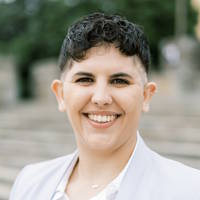
S. Elisha LePine S. Elisha LePine, University of Florida
What’s Good? A Culture-First Account of Morality

Why do seemingly trivial issues, like logo re-designs, architectural style, or the kind of car one drives, sometimes become hotbeds of intense moral conflict? How and why do people change their minds about moral issues? My research addresses this question through the development of the Habitus Model, a novel reconceptualization of moral cognition. The Habitus Model proposes that moral judgments are only loosely tied to our evolutionary origins, and instead spring from culturally learned schemas for goodness. These schemas, acquired through social learning, create prototypes of good behavior that vary across cultures and subcultures. Because the cognitive mechanisms at play are domain-general, they can result in the moralization of issues typically seen as "conventional."

My dissertation tests three key predictors through three experiments: 1) that we judge bad behavior relative to cultural prototypes of good collaborators, 2) that these prototypes are heavily shaped by cultural expectations, and 3) that judgment intensity depends on the importance and rigidity of the schema being violated. This work has the potential to address ongoing moral conflict, polarization, and cooperation difficulties in diverse societies.

S. Elisha LePine is a doctoral candidate in social psychology at the University of Florida, working under the mentorship of Erin Westgate, PhD. Drawing extensively from anthropology and sociology, Elisha's research focuses on the cultural origins of moral differences, with particular interest in how aesthetics can communicate moral values. When not trying to untangle moral conflicts, Elisha also studies meaning in life, religion, and class identity.

As a fifth-year graduate student, Elisha has already established an impressive research record with 13 published articles and numerous awards. Their independent initiative in securing a $20,000 registered report grant from the Templeton Open Science of Religion Project funded a field experiment that manipulated actual church services to test how liturgical practices influence meaning in life.

Alexa L’Insalata Alexa L’Insalata, University of Kansas

Reinforcing Value and Delay Discounting of Weight Loss in Anorexia Nervosa: Measurement Development and Refinement Using Cognitive Interviewing

Anorexia nervosa (AN) is an eating disorder with a high mortality rate and poor treatment efficacy in adults. Prior research has examined various neurobiological and learning processes in AN but its translation to intervention approaches has been limited. The study will use the Competing Neurobehavioral Decision Systems (CNDS) theory developed in neuroeconomics, to characterize potentially key features in AN. CNDS posits that psychopathology emerges from an imbalance between the impulsive and executive decision systems in the brain. Thus, poor integration of the systems may drive elevated valuation of and excessive pursuit of delayed AN-related reinforcers (e.g., weight loss), contributing to AN pathology. This dissertation study will use qualitative methods to adapt behavioral measures of reinforcer valuation and delay discounting for individuals with AN, using a key reinforcer for this population: weight loss. Hypothetical purchasing tasks will assess valuation of weight loss and food. A delay discounting task will assess preference for delayed rewards (i.e., money, food, weight loss). Findings may enhance understanding of core behavioral mechanisms underlying AN, and potentially inform future treatment approaches.

Lex L’Insalata is a doctoral candidate in clinical psychology at the University of Kansas, under the primary mentorship of Tera Fazzino, PhD. Her research interests lie at the intersection of addiction and eating disorders. Specifically, she is interested in examining how mechanisms of addiction (e.g., behavioral economics) can be applied to better classify, assess, and treat eating disorders and reward-seeking eating behaviors. Lex’s long-term career goal is to bridge the gap between research and therapy to better serve and treat individuals diagnosed with eating disorders. Prior to her doctoral studies, she graduated with a BA in psychology from Oberlin College and worked as a clinical research coordinator for the Stanford University Eating Disorders Research Program.

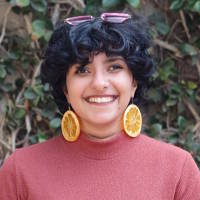
Lai Kwan Shirley Lo Lai Kwan Shirley Lo, Antioch University Seattle
The Psychological Process of Decolonizing the Colonized Self: A Grounded Theory based on Hong Kongers’ Decisions after the 2019 Protest

In 2019, an extradition bill proposal prompted outrage across all sectors of society, leading to a year’s worth of unprecedented social unrest in Hong Kong. The protest was eventually shut down as the Chinese Central Government tightened controls. While these controls were described as decolonizing Hong Kong from the British colonial influence, many Hong Kongers responded by leaving and re-establishing new homes in the “Western world,” including Britain. The intricate relationships between Hong Kong, China, and Britain provide a unique opportunity to start a conversation about the potentially complex psychological process of Hong Kongers who have to navigate these relationships. While this conversation would touch on topics like colonization, decolonization, migration, identity, and displacement, which have all been extensively discussed, no discussion was located to help understand Hong Kongers’ unique situation. Shirley’s dissertation aims to fill this gap by exploring Hong Kongers’ psychological journey as it relates to the protest and their subsequent departure. This will shed light on the process of decision-making in the face of oppression, potentially leading to the wisdom of decoloniality.

Shirley Lo is a trilingual clinical PsyD student at Antioch University Seattle under the mentorship of Jude Bergkamp, PsyD. She earned her first MS in Calgary, Canada, in 2013, and subsequently practiced independently for several years before returning to pursue her doctorate. Throughout her training and practice, she has developed a strong passion for integrating diverse lived experiences into scientific research to advance understanding of human suffering, well-being, and clinical practices. She primarily uses qualitative methods to invite participants to share their rich stories, adding depth and wisdom to the existing body of psychological knowledge. Her recent research, which closely follows the social constructivist paradigm, is deeply rooted in her own diverse cultural experiences and postmodern approach to therapy. She aspires to bring this paradigm to the study of neuropsychology—her nascent interest—as well as her clinical work with the SMI population.

Urvi Maheshwari Urvi Maheshwari, University of California, San Diego

Children's Reasoning about the Past and Future

Although not a tangible property of the universe, humans not only experience time, but also come to represent time itself as an abstract and measurable dimension of the world. In most industrialized cultures, adults organize their experience of time using formal symbolic systems expressed through natural language – we construct clocks and calendars to represent time, and use words to express its measurable aspects (e.g., “minutes”, “yesterday”, “last year”). Through these systems, we conceive of time as a series of structurally related events that occupy distinct “temporal locations” in the past, present, and future, separate from any particular event or observer. Although such a notion of time is different from the current scientific understanding of physical reality, this “common sense” view nonetheless underlies some of the most fundamental aspects of human causal reasoning, planning, and decision-making. My dissertation explores how humans construct this abstract concept of time. I use multi-day behavioral paradigms to explore how preschool-aged children first learn words like ‘yesterday’ and ‘tomorrow’ to represent the past and future, and how they understand the ordered relations between past and future events.

Urvi Maheshwari is a PhD Candidate in experimental psychology at the University of California, San Diego, where she works with David Barner, PhD. Urvi studies the development of abstract concepts and reasoning in young children via a combination of in-lab and field studies with varying developmental, linguistic, and cultural populations around the world. This includes studies about how children acquire time concepts, how they learn number words and counting systems, and how children reason about objects and spatial relations. Prior to joining the PhD program at UC San Diego, Urvi completed a BA in psychology and history at the University of Western Ontario, Canada.

Brianna Ross Brianna Ross, University of Michigan
Collective Action in Color: A Proposal for Examining the Relationships Between Ethnic and Racial Identities, Racial Discrimination, Efficacy, Collective Action, and Well-being Among Black Individuals

Research has indicated that racial identity, or strong connections to those who share similar self-definitions and meaningfulness based on their race, can act as a buffer against racist experiences. Yet, very few researchers also consider participants’ ethnic identities, or engagement and commitment to one’s ethnic history, heritage, and culture. We believe that a strong sense of both ethnic and racial identities can contribute to adaptive well-being outcomes not only for African Americans but also for other Black individuals across the diaspora. Researchers have also indicated that increased engagement in collective action is linked to identity through efficacy, and collective action and adaptive well-being outcomes (i.e., thriving) may be related as radical healing strategies. Given that experiences of racism are often related to negative outcomes, Brianna’s dissertation examines the role of Black intersectional identities on engagement with positive well-being outcomes (i.e., activism, active coping, and thriving). The findings from this dissertation will help researchers and mental-health professionals better understand how to promote positive well-being outcomes for those who experience racism across various settings.

Brianna Ross is a fifth year PhD candidate in the personality and social contexts area of psychology as well as a Rackham Merit fellow at the University of Michigan. She earned her MA in psychology from North Carolina Central University and two BAs in psychology and communication studies from the University of North Carolina Wilmington. Her research broadly acknowledges oppression as the context where marginalized individuals exist and highlights the role of their intersecting identities in predicting positive health outcomes. Brianna’s research employs intersectional and culturally competent methods to investigate: 1) the role of racial and ethnic identities in predicting engagement with proactive behaviors, 2) Black intersectional experiences of health and resistance, and 3) the role of intersecting identities in engagement with healing strategies.

Madeline Snyder Madeline Snyder, University of California, Irvine

Developmental Trajectories of Attenuated Psychotic Symptoms: The Roles of Dispositional Emotion Regulation Strategy Use and Neural Connectivity in Pathways to Psychosis

Developmental trajectories of positive symptoms (i.e., delusions and hallucinations) and attenuated psychotic symptoms (APS), or less severe or distressing forms of delusions and hallucinations, are not fully understood. Our understanding may be limited by heterogeneity across developmental trajectories in psychosis. Heterogeneity in clinical outcomes may be explained in part by risk and resilience factors, such as predispositions to use emotion regulation (ER) strategies and neural connectivity patterns. Hence, this study will clarify how ER strategy use (rumination, expressive suppression, cognitive reappraisal) and connectivity in regions of interest contribute to heterogeneity in APS severity through two aims. Aim 1 will investigate the relations between dispositional ER strategy use and APS severity across time. Aim 2 will investigate the influence of baseline neural connectivity on between-persons differences in trajectories of dispositional ER strategy use and APS severity across time. This study leverages five self-report assessments across two years and resting-state fMRI to address these aims. This dissertation will advance knowledge on mechanisms of psychotic symptom development, thereby facilitating the identification of behavioral and biological points of intervention in individuals at-risk for psychosis.

Madeline Snyder is a fifth-year clinical psychology doctoral candidate at the University of California, Irvine. She works primarily with Elizabeth Martin, PhD, and with Jason Schiffman, PhD. She received her BS in cognitive science (with a specialization in neuroscience) and a minor in psychology in 2019 from the University of California, San Diego. Her research aims to take a multi-method approach (e.g., MRI, EMA, behavioral tasks) to investigate both risk and resilience factors for psychopathology development, with a particular focus on psychosis-spectrum psychopathology. Her research also examines dimensional psychopathology levels in relation to various aspects of emotional, social, and cognitive functioning to inform our understanding of how subjective experiences may vary in relation to symptom/trait levels.

Qi Sun Qi Sun, State University of New York, Albany

Use of AI-Based Scaffolding in Writing: Longitudinal Impact on Critical Thinking

The rapid development of generative AI (GAI), e.g., ChatGPT, is reshaping cognitive processes, particularly critical thinking (CT) in academic writing. CT involves reasoning, analysis, and inference, as outlined by educational psychology theories. From a constructivist perspective, scaffolding, as the “more knowledgeable other (MKO),” promotes thinking by offering tailored support. GAI can serve as an MKO, to enhance CT through the structured scaffolding, and thus improve academic writing performance. Nonetheless, there is a gap in research on how to integrate GAI chatbots as scaffolds to promote CT in real-time classroom settings, and whether these benefits can be sustained in a long term. This project will address these gaps by (1) developing an AI-based scaffolding to enhance students’ CT in academic writing through a design-based research approach, (2) examining the longitudinal causal effect of this scaffolding in a three-week experiment, and (3) investigate how students’ CT changes over time. This project will provide insights into how interaction with GAI may revolutionize critical cognitive engagement and development, making a multidisciplinary contribution that bridges cognitive development theories and real-world applications in GAI-supported educational contexts.

Qi Sun is currently a PhD candidate in educational psychology and methodology at the University at Albany, State University of New York. She holds an MA in preschool education from China and an MS in educational psychology and methodology from the University at Albany. Her research expertise lies in the intersection of interactive technology-enhanced language learning and cognitive development from a longitudinal perspective. Her work explores the impact of critical student-AI interactions on critical thinking in academic writing, the role of digital technology-enhanced immersive reading in fostering children’s creative thinking, and cross-cultural comparison research. Qi is proficient in both advanced quantitative and qualitative analysis, such as GLMM, LMM, SEM, longitudinal analysis, meta-analysis, text analysis in R, Mplus, Python, and SPSS, and thematic analysis in MAXQDA. Qi has a strong record of research leadership and scholarly productivity, with 10 peer-reviewed journal articles (5 of which are as first author) and 8 book chapters and reviews to date.

Hanna Vance Hanna Vance, University of Florida
Developing and Evaluating a Cultural Responsiveness Training for Behavior Analysis Supervisors

Several psychology subfields, including counseling and cognitive psychology, have long emphasized culturally responsive (CR) service delivery and supervision (Burkard et al., 2006; Hays et al., 2006; Inman, 2006; Sue & Torino, 2005). In behavior analysis, however, attention to CR practices has emerged more recently (Fong et al., 2016; Jimenez-Gomez & Beaulieu, 2022). With the field’s rapid growth and increasing diversity, a critical gap remains in empirical support and training resources for CR supervision. Hanna’s dissertation addresses this gap through three interconnected studies. Part 1 uses a questionnaire to assess current perceptions, strengths, and needs regarding CR supervision among behavior-analytic supervisors and supervisees. Part 2 involves a content analysis of grey literature (e.g., podcasts, webinars, online trainings) to identify common themes, effective training components, and areas of limited coverage. Part 3 integrates findings from Parts 1 and 2 to develop and evaluate a targeted CR supervision training program, using a single-case research design to test its impact on supervisor skills and supervisee outcomes. Together, these studies aim to strengthen supervisor repertoires, improve supervision dynamics, and advance empirically supported CR supervision practices in behavior analysis.

Hanna Vance is a third-year doctoral candidate in the behavior analysis program at the University of Florida, where she is a member of the Translational and Applied Behavioral Science Laboratory. She previously completed an additional year of doctoral studies before joining the University of Florida. Originally from Ontario, Canada, Hanna earned her honors bachelor’s degree in behavioral psychology from St. Lawrence College and her MA in applied disability studies with a specialization in applied behavior analysis from Brock University. During her master’s training, she worked clinically with a variety of clients, families, and service settings, and became a board-certified behavior analyst. Her research addresses practical challenges in human service workplaces by integrating social responsibility, behavior change, and workforce skill development. Through her dissertation, Hanna aims to develop a culturally responsive supervisor training that is not only effective but also widely accessible and scalable, filling a critical gap in resources for the field.

Holly Zell Holly Zell, Oregon State University
Early Transition Support and Health Outcomes for Trans and Gender Diverse Adults

Related to systemic oppression, transgender and gender diverse (TGD) individuals bear a disproportionate burden related to suicidal ideation and attempt. Theories of suicide pose many factors that can relate to suicidal experience, but prominent ideation-to-action models do not specifically acknowledge the ways in which interpersonal and systemic oppression relate to suicide, including for trans individuals. Holly’s dissertation project uses both quantitative and qualitative methods to further build understanding of how early experiences in transition and social relationships relate to the prevention of suicidal ideation and behavior for trans and gender diverse adults. The quantitative portion of the study aims to identify how early transition care, social support, and identity concealment relate to lifetime suicidal ideation, planning, and attempt for TGD adults. The qualitative portion of the study aims to highlight connections that exist between early transition and suicidal experience, as stated by trans voices. In a particularly dangerous time for trans Americans, it is more important than ever to underscore the life-saving potential of care and support for trans communities.

Holly Zell is a PhD candidate in psychology at Oregon State University studying suicide prevention in LGBTQ+ communities, with a special focus on trans and gender diverse individuals. Holly also has an MA in clinical mental health counseling and continues to practice as a licensed professional counselor working frequently with LGBTQ+ clients. Holly is extensively trained in suicide prevention and intervention and has previously served as a suicide prevention team lead for a large mental health agency. Holly aims to use research, teaching, and clinical training to support community needs in social justice, mental health, and community wellbeing.

Ziwei Zhang Ziwei Zhang, University of Chicago
The Temporal Dynamics of Attention, Surprise, and Their Impact on Learning

We constantly generate predictions about the world, from tracking statistical regularities in the environment to anticipating the direction of a conversation. When expectations are violated, we experience surprise—a fundamental signal driving attention, learning, and memory. Ziwei’s dissertation examines the temporal dynamics of surprise and attention and their impact on learning using neuroimaging, behavioral measures, and computational modeling. Her work has shown that dynamics of a common fMRI network predict belief-inconsistent surprise across diverse contexts as people perform an associative learning task, watch sports, and observe cartoon agents behaving unexpectedly. Dynamics of this same brain network also predict participants’ self-reported surprise during narrative comprehension. Furthermore, these brain dynamics track prediction error estimates from large language models (LLMs). Her ongoing work tests the generalizability of these relationships across languages. Together, her findings suggest that shared neurocognitive processes signal surprise across contexts, with prediction error playing a central role. Her dissertation lays the foundation for testing theories about the computational basis of prediction and its violations across diverse cognitive domains and populations.

Ziwei Zhang is a fifth-year PhD candidate in psychology at the University of Chicago working with Monica Rosenberg, PhD. She studies how the mind and brain generate predictions about the world, how attention shapes those predictions, and what happens when expectations are violated. Her work bridges cognitive neuroscience, behavioral science, and computational modeling in both naturalistic and controlled settings. Broadly, Ziwei is interested in understanding to what extent the mental states that precede (attention), accompany (surprise), and follow (learning) prediction are domain-general versus domain-specific—whether they operate similarly across contexts like learning, language, and social reasoning, and how these processes may vary across individuals and populations. Before graduate school, Ziwei earned a BS in neuroscience and an AB in psychology from Duke University, where she worked with Tobias Egner, PhD, to study the flexibility and boundaries of cognitive control. She is passionate about testing theoretical frameworks in both well-controlled experimental tasks and ecologically valid, real-world paradigms to study the dynamics of human cognition.

You may also like