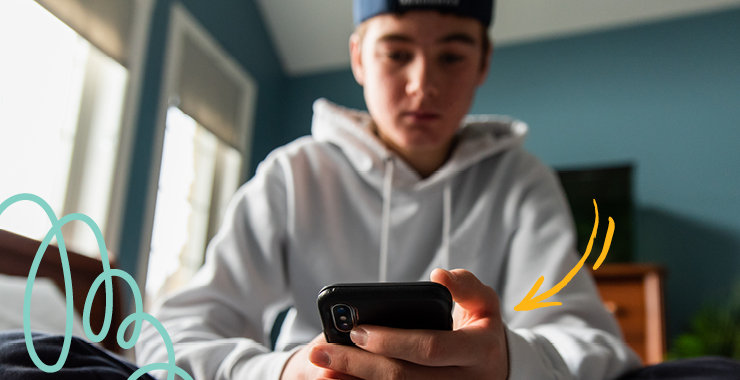
While navigating AI use is the new normal of modern parenting, there are times when professional support becomes necessary. If a teen is using AI to discuss thoughts of self-harm, suicide, serious depression, or other mental health crises, parents and caregivers should seek help from a licensed mental health professional immediately.
“AI chatbots are not equipped to provide therapeutic intervention, and in crisis situations, human expertise is essential,” Alvord said. Other warning signs that may warrant professional help include significant changes in mood or behavior, social withdrawal beyond typical teenage privacy-seeking, declining academic performance, or if a teen becomes emotionally dependent on AI to the point where they will not participate in normal activities and it interferes with daily functioning. “Parents shouldn’t hesitate to reach out to school counselors, therapists, or their pediatrician if they’re concerned,” Alvord said. “Early intervention can make a significant difference.”
APA is closely examining how AI is shaping adolescent development and mental health. APA’s two health advisories on AI and youth well-being and the use of generative AI chatbots set clear recommendations for parents, caregivers, policymakers, and technologists to reduce potential harms, strengthen safeguards, and promote healthy, developmentally informed use of AI by young people. These recommendations help inform conversations with lawmakers at the state, federal, and international levels as they consider new policies and regulations aimed at reducing the risks of AI while supporting its safe and beneficial use.
APA continues to advocate for stronger protections to limit harm and encourage technology that supports young people’s mental health and development. For more on APA’s work on AI and youth mental health, explore our resources.