Factors including age, ongoing family support, and the circumstances surrounding the death play a major role in how a child may respond. For example, a 2-year-old will require a different and more simplistic explanation than a 6-year-old, and the younger the child, the more likely they will ask for repetition of that explanation, explained Bonnie Zucker, PsyD, psychologist and author of the best-selling Magination Press children’s book Something Very Sad Happened: A Toddler’s Guide to Understanding Death.
“It’s best to take the lead from the child, and if they are asking over and over to know what happened, you should honor that request by gently answering them, over and over, as that is what they need in order to process and assimilate the loss,” Zucker said.
When it comes to a child’s reaction to grief, particularly around the death of a loved one, psychological science suggests the child’s emotional closeness to the deceasedopens in new window plays a critical role in their response and ability to cope. Evidence also suggests kids fare better when parents and other caring adults help them process their grief.
It’s important to help a child find the words to identify how they are feeling, and art can help foster self-expression, Zucker said. For example, a parent or other adult can assist the child in making a book about the loss, including drawings and text, which can help the child process the event.
“It is essential that caregivers make themselves more available, even though they are likely grieving as well,” Zucker said. “Being present at bedtime on a consistent basis, for example, and creating space for agenda-less time to process the loss with the child will allow the child to move through their grieving process in a more integrated way.”
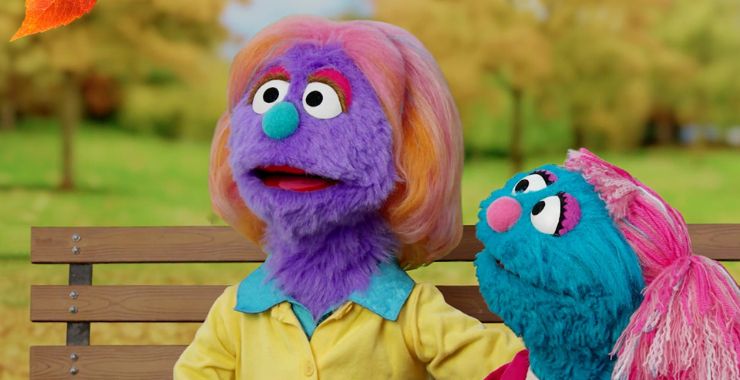
[Related: Sesame Street Muppets Abby Cadabby, Elmo, and APA help parents and kids with emotions]
Grief can look and feel differently for babies/toddlers, preschoolers, and school-age children, research shows.
Grief among babies and toddlers (0–3 years old) can include:
- increased crying, fussiness, and clinginess
- changes in eating and sleeping patterns
- asking for repetition of what happened
- verbalizing what happened in a repetitive way
- struggling to grasp the permanent nature of death
- regression
Caregivers can help by:
- maintaining routines and providing extra comfort and attention
- offering physical touch and affection to soothe their distress
- being patient and understanding of the child’s need for extra closeness and security
- helping the child maintain a connection to the loved one by framing a photo of or telling a story about their loved one
Grief among preschoolers (3–6 years old) can include:
- asking questions and continuing to look for the person or pet who has passed
- struggling to grasp the permanent nature of death
- emotional outbursts and increased crying
- difficulty sleeping
- separation anxiety
- regression
Caregivers can help by:
- encouraging expression through play, drawing, and storytelling
- using simple and honest language to explain death (avoiding euphemisms) and reassuring the child of their safety
- providing consistent routines and opportunities for emotional support and comfort;
- commemorating the loved one by framing a photo, telling stories, and celebrating their birthday (just as Elmo and his family did for Uncle Jack)
School-age children typically understand death is permanent but are likely to ask some frank questions that may be difficult for caregivers to answer.
Grief among school-age children (6–12 years old) can include:
- intense emotions like sadness, anger, anxiety, or guilt
- separation anxiety from caregivers
- withdrawal from activities, changes in appetite, or trouble concentrating
- physical symptoms such as headaches or stomachaches due to stress
- curiosity and questions about the afterlife
Caregivers can help by:
- encouraging open communication and validating their feelings without judgment
- modeling healthy emotional expression, putting words to feelings, even tearing up at times
- offering outlets for expression such as journaling, art, or music
- providing opportunities for physical activity and relaxation
- helping them maintain connections with friends and family who can offer support
- offering to attend therapy to process the loss and impact on the family and caregivers (this is particularly important if new symptoms of depression or anxiety are causing an interference in the child’s life, including ability to attend and/or participate in school and social activities)
It’s also important that caregivers focus on creating a warm, supportive, and positive ongoing family environment in the years following a death, one that includes consistent family rules and responsibilities. A 2024 study in The Journal of Family Psychology points to the critical role this plays in the adjustment of bereaved children, said Irwin Sandler, PhD, a psychology professor at Arizona State University who studies resilience in children and families experiencing major life stressors.
“This includes, but goes beyond, being a family where memories of the deceased continue to live and there is a validating listening ear to children’s expression of their grief,” Sandler said. “The family has changed following the death—and the caregiver creates a ‘new normal’ family that is understanding of grief, but also is a place where positive things happen, where strong supportive caregiver-child relationships persist, and which engenders in bereaved children a sense of security, facilitates their effective coping, and strengthens their sense of self-worth.”
[Related: Evidence-based practices for childhood grief and trauma]