skip to main content

Using psychological science to fight misinformation: A guide for journalists

Challenging mis- and disinformation is more important than ever

APA Style leaf logo Cite This Article in APA Style
American Psychological Association. (2023, November 29). Using psychological science to fight misinformation: A guide for journalists. https://www.apa.org/topics/journalism-facts/psychology-misinformation-guide-journalists

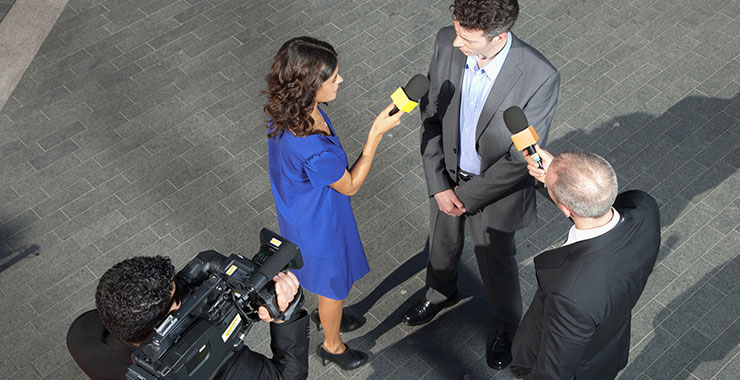
Group of reporters holding microphones interview a man

Defining the problem

Why misinformation sticks

  • Misinformation can hold sway for years, even after the facts are set straight.
  • It spreads faster than true information because of its social and emotional qualities. Research shows that misinformation can be “sticky” if it’s frequently liked, commented, or shared—or if it evokes feelings of fear.
  • Our cognitive biases also play a role. Confirmation bias means we’re less likely to doubt or verify information if it aligns with our worldview. In the illusory truth effect, repeated exposure to false information makes us more likely to believe it.
  • Learn more about how and why misinformation spreads.

How journalists can fight misinformation

  • Don’t get fooled . Of the journalists surveyed by Pen America, 11% said they had unwittingly spread false information. These red flags are signs of manipulation:
  • Conspiracy theories; emotional or polarizing content that targets group identity
  • Impersonating an expert; discrediting or trolling opponents
  • Prebunk misinformation . Inoculating people before they are exposed to false information, rather than debunking it after the fact, is much more effective. Rather than simply correcting facts, it’s important to address the social and emotional factors at play by discrediting the motives underlying a piece of misinformation.
  • To prebunk, warn your audience about the type of misinformation they might encounter and explain why a source might lie or be misinformed—before they see it organically. Prepare them for the idea that there might be two different “sides” with two different sets of facts.
  • Repeat factual information . Make sure your audience is familiar with the truth. For example, don’t assume that people know how elections work. Explain it early and often.
  • Use social engagement for good . Local journalists in particular can build credibility by engaging with their communities, which helps to strengthen social ties and demystify the journalistic process.

Interactive resource

APA’s Mind Over Misinformation modules use psychological science to help you understand and defend yourself against misinformation.

  • The modules leverage key scientific insights, including:  
  • How confirmation bias can impact our judgement  
  • How emotional responses can override our critical thinking  
  • How different types of media can influence the belief in and spread of misinformation  
  • The role of social dynamics in spreading and reinforcing false beliefs  
  • Evidence-based strategies for evaluating information credibility

Recommended Reading

Speaking of Psychology

Subscribe to APA’s audio podcast series highlighting some of the most important and relevant psychological research being conducted today.

Subscribe to Speaking of Psychology and download via:

Appleopens in new window
Apple podcast logo

Spotifyopens in new window
Spotify logo

You may also like