Are you looking for a way to invigorate your introduction to psychology course while enhancing your students' community engagement? Integrating service-learning into your curriculum can help!
The National Youth Leadership Council (NYLC) defines service-learningopens in new window as a pedagogy that focuses on student-led learning. It is a way for students to engage meaningfully with their community and apply knowledge they have learned in their coursework to real life issues. This pedagogy provides opportunities for synthesis and analysis of content and strengthens students’ sense of connection and community. The process is inquiry based and students begin by asking questions such as:
- What are the needs in my local school and/or broader community?
- What are the root causes of the issue?
- What resources can I use to learn more?
- How can I help?
Service-learning invests students in the learning process and provides an innovative approach to community involvement.
A significant part of the service-learning process is the model students use to create projects. As described by NYLC, students first need to investigate the issues within the community; What are they interested in and how does it address a specific need? Next, students brainstorm and create a plan of action; What actionable items will help support change or solve the issue? Throughout the process students need to identify the strengths, weaknesses of the plan and challenges they will face and how they will be able to adapt. Once a plan is created, students implement their ideas in project form. After implementation, students reflect; What worked with the project? What did not work? How can the project be improved? The model provides a framework for implementation and a guide for students and instructors.
Using this framework, Christine Carbone and Dr. Andrea Dinan designed service-learning unit plans that integrate problem solving and experiential learning directly into class curriculums. Students and teachers have been enthusiastic about service-learning and excited about the educational opportunities that it offers. In 2022, Carbone and Dinan began developing programming for Princeton High School’s Human Behavior course. The content of the course provides an exemplary backdrop for service-learning. The first service-learning unit for the course was integrated into the existing Kindness and Gratitude Unit. In the Human Behavior class students studied the positive influence of gratitude on both the mind and body. Students researched the work of Robert Emmons and explored the life and poetry of Christina Costaopens in new window. For the unit assessment, students were tasked with using the service-learning model to create a Gratitude Project to promote gratitude within the school community. The action plan for the project required a teaching component on the benefits of gratitude and a hands-on activity. Students created and presented workshops to their peers. The workshop activities included designing a “Thank You” mural for Teachers, distributing “Thank You” Treats with Words of Gratitude for custodial staff and creating “Thank You” Bouquets for nurses.
Following the workshops, students participated in a debrief and reflected on the projects. The biggest takeaway was the excitement and fulfillment the students felt for service-learning. There were many valuable insights and lessons learned. Overall, most student feedback reflected a desire to broaden the scope of the project.
To create more opportunities, the Human Behavior 2023 Service-Learning Project will create programming for The Peace & Wellness Fair. Following the Human Behavior Unit on Stress and Its Impact, students will use their knowledge to create up to twenty-five service-learning projects. Students will create projects focused on the impact of stress and how to manage it and showcase their work to the broader school community as workshops at the Peace & Wellness Fair
Service-learning is a wonderful addition to any introductory Psychology course. There are countless ways this pedagogy can be incorporated. Carbone and Dinan are excited to see how the Stress and Its Impact Unit comes to fruition and continue to integrate Service Learning into the Human Behavior curriculum.
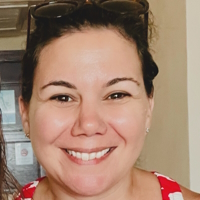 Christine Carbone has worked as a high school Social Studies teacher for Princeton High School for 20 years. She has been involved with the Community Service Committee for 10 years. Carbone started teaching Princeton High School’s Human Behavior course in 2021. Carbone has a master’s in educational leadership from Rider University.
 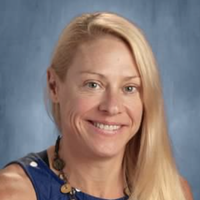 Andrea Dinan is a high school teacher working in the guidance department at Princeton Public Schools in Princeton, New Jersey, USA. She has been a teacher for 25 years and directs the service learning and tutoring programs for the district. In 2006, Andrea completed her doctorate in educational leadership. Her dissertation focused upon the academic impact of service-learning programs in NJ secondary schools.