
When smartphones first became popular and students started using them in classes, instructors tried banning them. Now, more instructors are designing activities, such as polls, that involve phone use during class. While that is one route to go, another route is to get more of what we want students to learn into the places where they are spending a lot of time. Those instructors who have the aptitude and skills to, should aim to be pedagogical influencers (Gurung, 2023). If students want to scroll, then why not have them scroll psychology?
Students today (and many faculty, to boot) enjoy Instagram (IG) and TikTok. I now use IG to post material related to class, build connections with my class and students, and share important information about student club activities on campus. I have noticed that many students use IG during the term to ask questions about the class. They also enjoy the class related material posted and refer to it in class and in conversations. While having a social media presence seems to increase rapport and communication, and make the class and the professor more accessible, we can clearly use social media for more.
There is a lot we educators can learn from the large number of social media influencers on the diverse platforms our students use. These individuals amass thousands, and sometimes, millions of followers on platforms such as TikTok and IG. While many of them start by posting fun videos, accounts of their days, or rants, the absolute majority also push products. Given the appeal of social media, companies seeking to extend their reach over eyeballs and wallets approach influencers with large followings to endorse their products in return for a fee. Other influencers push themselves, sharing advice and information in return for monthly subscription charges. What if higher education used the same channels to help students learn better?
There are already a lot of psychologists who use social media well. I asked members on the APA Division 2—Society for the Teaching of Psychology’s Facebook page to share who they most followed for psychology-related content and many names popped up 1. For example:
- Inna Kanevsky (popular TikTok psychologist who posts content urging critical thinking about psychology)
- Ben Rein (neuroscientist)
- Raquel Martin (clinical psychologist focused on racism-related stress and Black mental health)
- Blake Harvard (AP psychology teacher connecting research on learning, memory, and cognition to the classroom)
- Hank Green (science educator who has produced “crash course” videos on several topics, including psychology)
- Andy Luttrell (social psychologist with a popular YouTube channel)
- Kristyn Sommer (developmental psychologist who discusses evidence-based parenting)
- Kasey Jo Orvidas (psychologist and certified health and fitness coach)
- Steve Rathje (a postdoctoral researcher who studies misinformation)
- Adam Grant (organizational psychologist)
I also hope we get to see sites that pull these different platforms together to promote psychology content. As an example, I focused on a very specific topic—studying—and created artwork, TikToks, and surveys designed to use psychological knowledge to help students study. If social media influencers can get our students to mimic trends and buy merchandise, let’s see if we can use social media to get our students to study more effectively. On the Pedagogical Influencer Projectopens in new window (PIP), you can take advantage of some of these free resources to help your students study better. Taking a page from the social media influencer playbook, and actually involving a social media influencer herself, the PIP group has compiled a set of resources for your use.
On PIP, you will find a number of different aids to learning. Drawing on a recent publication that lays out cognitive science’s tipsopens in new window on effective learning, my PIP team thought of engaging ways to share material with students. One team member created a set of TikTok videos that explain different study techniques, such as retrieval practice and spacing. Another team member created eye-catching artwork to explain the key topics and motivate students. PIP also includes a range of self-assessments. Move over magazine quizzes, these easy-to-use surveys are all peer-reviewed to be valid and reliable and help students get a sense of where they stand. For example, students can measure whether they are procrastinators, take good notes, or have adequate metacognitive skills. All this is free.
In a world where social media streams are distracting our students, it would be nice if we could go where they are and give them material that can help them grow. PIP is one option. If you are on social media, you can use any of the material available there. If you would rather not use your own social media in this way, PIP is set up so you can share what you want with your classes via your learning management systems or email. This may work. It may not be enough. We will not know until we try. This coming year, I am going to see what sort of difference it can make. Try it and let me know whether it works for you or what your ideas are to make it more effective.
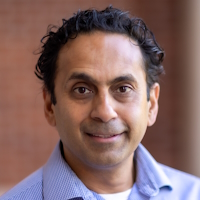
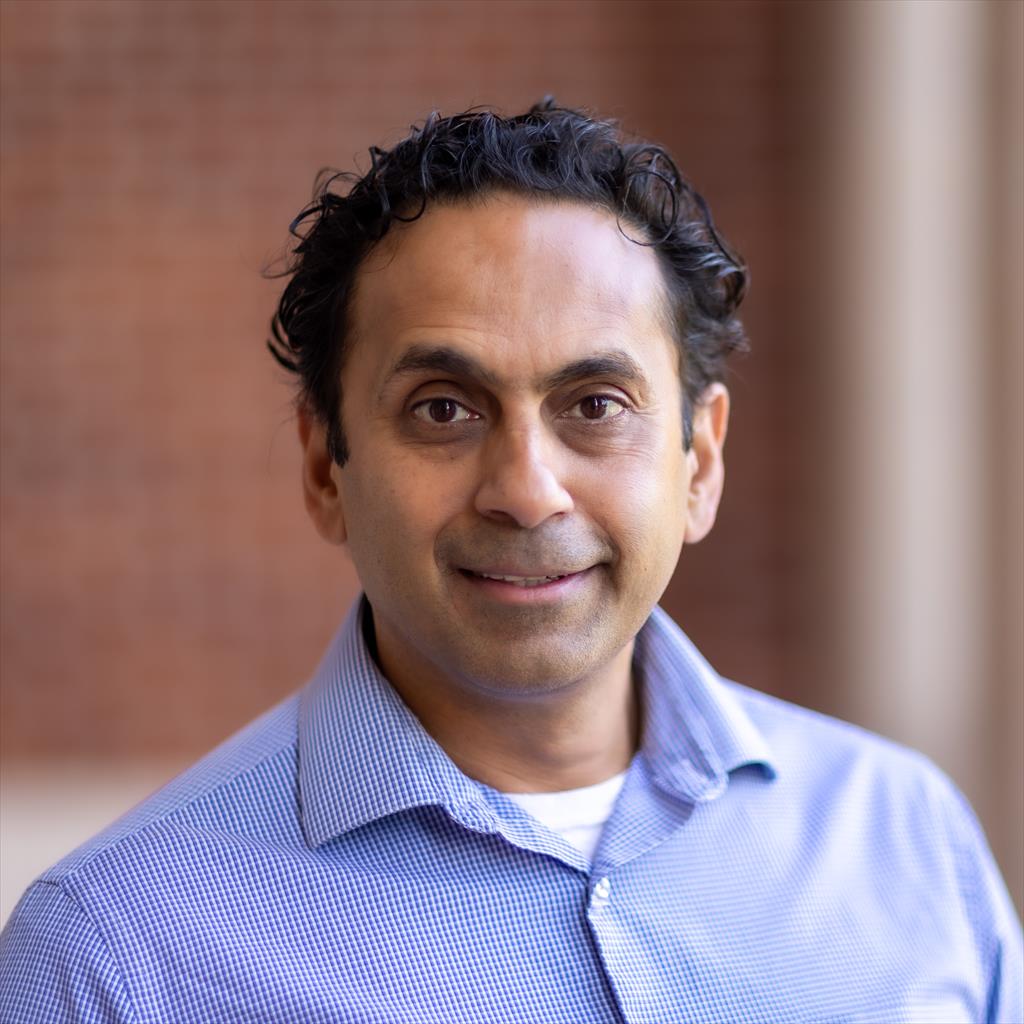 Regan A. R. Gurung is a social psychologist by training with research encompassing social, health, and pedagogical psychology. He has had over 130 articles published in peer-reviewed journals and has co-authored/co-edited 15 books. His most recent books are Study Like a Champ (with John Dunlosky) and Thriving in Academia (with Pam Ansburg and Mark Basham). He is founding co-editor of APA’s journal Scholarship of Teaching and Learning in Psychology, previous co-chair for the APA Introductory Psychology Initiative, and past president of Psi Chi, the International Honor Society in Psychology. He is the recipient of the American Psychological Foundation’s Charles L. Brewer Award for Distinguished Teaching in Psychology. At Oregon State University, he is associate vice provost and executive director of the Center for Teaching and Learning, professor of psychological science, and director of the General Psychology Program.