

AI in Mental Health: Part 2 – AI in Clinical Decision-Making
Enhancing Clinical Efficiency with Upheal
September 2026

AI is rapidly becoming part of clinical workflow, helping clinicians draft notes, summarize sessions, and identify treatment-relevant patterns.
As these tools become more common, mental health professionals must understand how to use them effectively while maintaining independent clinical judgment and ethical responsibility.
Learning objectives
By the end of this webinar, participants will be able to:
Distinguish between clinical decision-making tasks that AI can appropriately support and those requiring independent clinical judgment.
Identify clinically relevant patterns AI analytics can uncover to inform case management.
Discuss APA ethical obligations to consider when integrating AI into their clinical workflow.
Accessibility
We strive to provide an inclusive, accessible experience that enables all individuals to engage with our programming. Captioning is displayed on this webinar recording, and a transcript is also available. If you require any other accommodations to fully engage with this webinar recording, please contact us by email.
Presenter disclaimer
Leila Anderson has a working relationship with Upheal. As such, she has both a financial and an intellectual interest in the webinar content. The purpose of this presentation is to provide a balanced view on the therapeutic and potentially harmful uses of artificial intelligence in mental health care.
This program does not offer CE credit.
Paid for by

This topical webinar for APA members is paid for by Upheal. The content was created by Upheal and does not reflect the views of APA or its editorial staff. Email Advertising to learn more. Upheal offers secure AI-powered progress notes, designed by clinicians to save mental health providers time.
Presenter
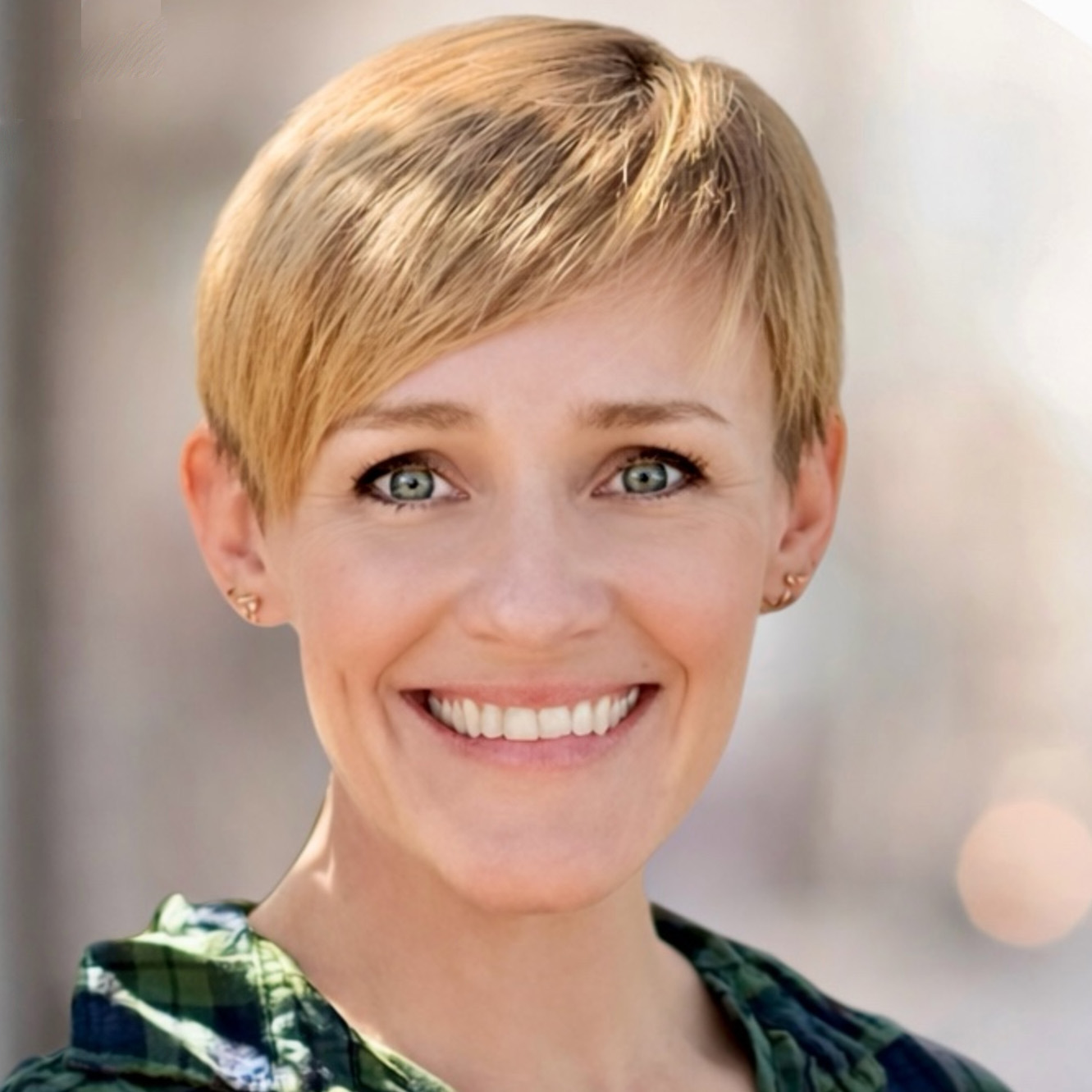
Leila Anderson, LMFT-S
Anderson is a systemic therapist, supervisor, and clinical AI prompt engineer at Upheal whose practice sits at the intersection of clinical rigor, ethics, and emerging mental health technology. She brings over a decade of experience across residential, correctional, psychiatric, and community-based settings, with specializations in complex trauma, shame, and high-acuity clinical presentations. Her therapeutic approach integrates Internal Family Systems, Eye Movement Desensitization and Reprocessing, and Dialectical Behavior Therapy, with particular emphasis on self-of-the-therapist work and ethical decision-making. Anderson serves on the Texas Association for Marriage and Family Therapy Board of Directors and speaks regularly at state and national conferences.
More in this series
Explore practical strategies, emerging trends, and evidence-based insights to enhance clinical care
August 2026 On Demand Webinar
AI is reshaping clinicians’ thinking, supervision, and training while maintaining ethical, reflective therapy practice
January 2026 On Demand Webinar
Provides a balanced view on using AI for clinical growth and deeper human connection
August 2025 On Demand Webinar
Webinar explores how psychologists can ethically and effectively use AI-assisted documentation tools while upholding the standards of APA’s Ethics Code
July 2025 On Demand Webinar