

Anxiety and Related Disorders
Psychology of Anxiety, Mood, Substance Use, and Addictive Behaviors
Psychology of Disorders Related to Trauma, Anxiety, and Stress
PsycLearn Essentials
May 2024
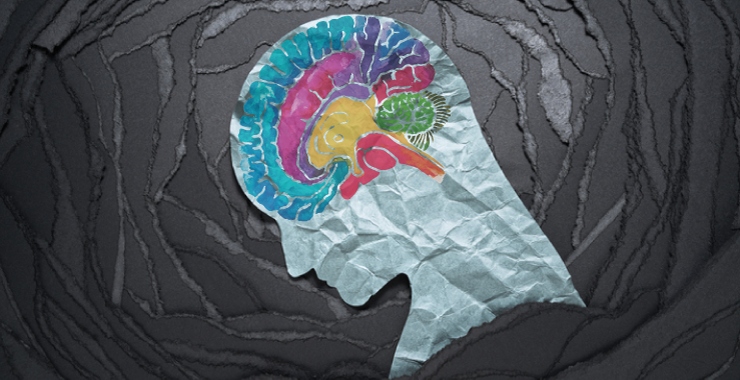

Feelings of anxiety are a normal part of life, but may be a symptom of an anxiety or related disorder when the anxiety affects the quality of a person’s life. This course will deepen your understanding of anxiety and anxiety-related disorders.
Within these lessons, you will review common disorders for which anxiety is a symptom, as well as the diagnostic criteria, contributing factors, and treatments for each.
The course begins with an introduction to anxiety disorders and related disorders and explains the process of diagnosis before describing the two dominant diagnostic schemes, ICD-11 from the World Health Organization and DSM-5-TR from the American Psychiatric Association. The course will also explain how clinicians take culture into account in diagnosis and treatment.
The course will then move on to discuss the diagnostic criteria common to all anxiety-related disorders before covering specific criteria for generalized anxiety disorder, panic disorder, social anxiety disorder, and obsessive-compulsive disorder. For each, you will receive information on the causes, contributors, and effective treatments.
Finally, this course includes comprehensive review material and self-paced assessments to help you excel in your study of anxiety and related disorders.
Learning objectives
- Define psychopathology and psychological disorder.
- Explain the role distress, impairment, and danger play in psychological disorders.
- Discuss stigma and the use of first-person language.
- Describe the process of diagnosis using the DSM-5 or the ICD-11.
- Discuss cultural issues in diagnosis.
- Identify the global prevalence of anxiety.
- Discuss demographic and cultural factors that influence prevalence of anxiety.
- List the four components of anxiety.
- Describe the components of the autonomic nervous system.
- Discuss the diagnostic criteria, prevalence, contributing factors, and cultural influences for each of the disorders that involve anxiety.
- Describe the primary treatments for disorders that involve anxiety.
- Explain how technologies such as mobile apps and virtual reality can aid in treating anxiety disorders.
This program does not offer CE credit.
Presented in collaboration with

Coursera works with universities and other organizations to offer online courses, certifications, and degrees in a variety of subjects.
More in the series
This course covers substance use disorders and addictive behaviors and discusses their diagnostic criteria, contributing factors, and treatments.
May 2024 On Demand Training
This course covers common depressive and bipolar disorders and discusses their diagnostic criteria, contributing factors, and treatments
May 2024 On Demand Training
Explore PTSD, ASD, and dissociative disorders stemming from trauma. Covers reactions, differential effects, resilience, and treatments
October 2025 On Demand Training
After detailing the effects of stress on your mind and body, this course will teach you evidence-based ways to cope with stress and build resilience
January 2024 On Demand Training
Introduces the importance of ethical practice in scientific research for undergraduates, high school students, and professionals.
August 2023 On Demand Training
A concepts-focused introduction to basic descriptive and inferential statistics
January 2023 On Demand Training
Principles of design and ethics for research in psychology
January 2023 On Demand Training
Basic qualitative methods like narrative inquiry and ethnography are introduced
January 2023 On Demand Training