
A new suicide prevention app, a faith-based prevention campaign and more than $99 million in mental health grants were among the federal efforts highlighted at a White House briefing on mental health and suicide prevention on Sept. 22.
The event featured updates on federal suicide prevention initiatives from National Institutes of Health Director Francis Collins, MD, PhD, Substance Abuse and Mental Health Services Administration (SAMHSA) Administrator Pamela Hyde, JD, and other administration officials.
APA Chief Executive Officer Norman B. Anderson, PhD was invited to attend the briefing and had the opportunity to continue the discussion with Hyde and senior SAMHSA staff at APA several days later. "The array of suicide prevention activities in the federal government is impressive, and psychologists play important roles in many of these programs," Anderson said after the meetings.
SAMHSA's new "Now Is the Time" mental health grants, for example, will support training of mental health providers, help K–12 teachers and others recognize and respond to signs of mental health problems in students, and improve access to treatment for young people with serious mental health conditions. In addition, the SAMHSA-funded National Action Alliance for Suicide Prevention has launched the "Your Life Matters!" campaign, which encourages faith communities to devote one Sabbath a year to suicide prevention activities. SAMHSA will also soon release a suicide-prevention app called "Suicide Safe" to help health-care providers better integrate suicide prevention strategies into their practices. And the Veterans Health Administration plans to expand suicide-prevention training beyond clinicians to include all staff members.
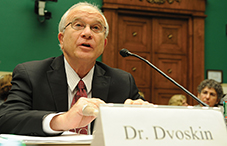
But more needs to happen, psychologist Joel A. Dvoskin, PhD, told congressional leaders at a hearing on suicide prevention and treatment at the U.S. House of Representatives on Sept. 22. Dvoskin was a member of a panel that included Acting Surgeon General Boris D. Lushniak, MD, among others.
Testifying on behalf of APA, Dvoskin told the House Energy and Commerce's Subcommittee on Oversight and Investigations that suicide is still among the top 10 causes of death in the United States.
"Over the many years I have worked in this field, I have seen tremendous progress in identifying approaches to reduce completed suicides, attempts, ideation and feelings," said Dvoskin, an assistant professor of psychiatry at the University of Arizona. "However, we do not implement these tools effectively and broadly enough."
Dvoskin called on Congress to:
- Ensure insurance coverage for prevention services.
- Increase access to screening for depression, suicide and other mental health concerns across the lifespan.
- Increase the dissemination of evidence-based treatments for all populations.
He also urged Congress to help increase the number of psychologists and other mental health professionals and support reauthorization of key behavioral health programs, including the National Child Traumatic Stress Network, the Mentally Ill Offender Treatment and Crime Reduction Act and the Garrett Lee Smith Memorial Act.
"Because the risk factors associated with suicide are multifaceted and vary across groups, suicide prevention demands comprehensive, evidence-based efforts across many settings," said Dvoskin. "We must reduce the barriers to violence prevention and mental health treatment for all Americans and provide the community supports so that our citizens can build lives of meaning and purpose."
— Rebecca A. Clay