
The John and Polly Sparks Foundation has committed to make another large grant to support work in serious emotional disturbance — the second three-year grant the Sparks Foundation has made to the American Psychological Foundation (APF).
This $60,000 grant not only continues but also increases the amount of support from Sparks Foundation, which first launched the grant in 2013 for early career researchers who study intervention and treatment for serious emotional disturbances in children.
"Serious emotional disturbance in children is an egregious problem worldwide, and more resources are needed to tackle this issue," says Elisabeth Straus, executive vice president/executive director of the APF. "The APF is excited that the Sparks Foundation wants to support researchers who are working to find solutions."
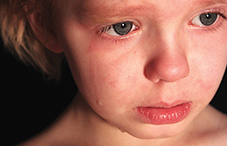
According to a 2010 survey published by the National Institute of Mental Health, about 20 percent of U.S. youth are affected by some type of mental disorder to an extent that they have difficulty functioning. The grant not only has the potential to help children, but also to launch the careers of new psychologists, Straus says.
"One of the goals of the APF is to help graduate students or early career psychologists because funding is difficult for them," explains Dorothy W. Cantor, PsyD, APF president. "They may not yet have the track record to apply for NIH grants, and this type of program can help them start a study that can be augmented later in their careers."
In 2015, APF will select two recipients for the John and Polly Sparks Grant — one who will receive $10,000 and one who will receive $17,000. Psychologists who are no more than 10 years postdoctoral with an EdD, PsyD or PhD can apply for one or both of the grants, but they are only eligible to receive one. The deadline is May 15, and applicants can visit the APF website.
In 2013, Amy Przeworski, PhD, an assistant professor of psychology at Case Western Reserve University, was awarded the first Sparks grant to study barriers to screening for anxiety and depressive symptoms in pediatric primary-care practices. In 2014 the grant was awarded to Elizabeth Koschmann, PhD, of the University of Michigan, to evaluate the use of assessment and treatment strategies for pediatric depression, anxiety and post-traumatic stress in community settings, including schools.
"I have applied for many grants and been rejected numerous times because funding usually goes to senior, established investigators, and I was honestly shocked when I received the Sparks grant," Przeworski says. "I was excited because it would allow me to conduct research I have wanted to do for years."
In her study, Przeworski found that the majority of physicians are not comfortable screening children for anxiety and depression, especially in underserved populations. She hopes to develop continuing education for pediatricians focused on the importance of screening for these conditions and how to screen.
"Our hope is that this pilot project will lay the foundation for us to apply for larger grants in the future," she says.
Heather Stringer is a journalist in San Jose, California.