Dance may promote empathy
 Ballet dancers are more sensitive to the emotions encoded in movement than nondancers are, suggests a study in the Journal of Experimental Psychology: Human Perception and Performanceopens in new window. Researchers showed 19 dancers and 24 control subjects brief, silent video clips of happy and sad moments from ballets. Both the dancers and the controls rated the happy clips as happier than the sad ones, but the dancers discriminated more strongly between the two. The dancers also had stronger galvanic skin responses than control participants as they watched the videos. The researchers suggest that dance training might make dancers more sensitive to other people's physical emotional cues, and that learning dance could thus be a way to develop empathy.
Warm parents, healthy teens
 Warm parenting can buffer tweens and teens from the harmful effects of daily stress, according to a study in Health Psychologyopens in new window. Researchers collected daily telephone reports and saliva samples from 132 children and teens, ages 9 to 17, over a period of eight days. They asked the youth about daily stressors, emotions and physical health symptoms; measured their cortisol levels; and conducted in-home interviews to assess parental warmth in the families. On average, the children and teens had more negative emotions on more stressful days. However, those with less warm parents had more negative emotions, and higher cortisol levels associated with stress, even on days with lower-than-usual stress.
An assertive strut
 Aggressive people may be identified by how they walk, finds a study in the Journal of Nonverbal Behavioropens in new window. Researchers used motion-capture technology to record and analyze the gait of 29 participants as they walked on a treadmill. The researchers also gave the participants a personality test that measured the "big five" personality variables and aggression. In participants who scored higher on aggression, the body's natural rotational movements were exaggerated as they walked, the researchers found. They say that this is some of the first empirical evidence that personality traits can be reflected in gait.
More are insured
The Affordable Care Act (ACA) has significantly increased the number of Americans who have health insurance coverage and has improved access to care, finds a literature review published in Health Services Researchopens in new window. The researchers analyzed five years of studies from peer-reviewed journals as well as gray literature from government agencies and other organizations. They found that 11.7 million people bought insurance plans from the ACA-created marketplace, 10.8 million gained Medicaid coverage, and 3 million young adults are on their parents' policies. However, affordability remains a concern for many people and geographic, race/ethnicity and income disparities persist, the researchers found.
Willpower
Children with low self-control are more likely to smoke as adults, according to a study in Health Psychologyopens in new window. The researchers examined data from 21,000 respondents to two large British cohort studies. They found that participants whose teachers rated them as low in self-control between ages 7 and 11 were more likely to smoke at six follow-ups between ages 23 and 55, even after controlling for socioeconomic background, cognitive ability, psychological distress, gender and parental smoking.
Shared memories
Human communities can create shared memories, beliefs and cultural norms in part because talking about events with others helps synchronize our memories of those events, suggests research in the Proceedings of the National Academy of Sciencesopens in new window. Researchers organized 140 participants into 10-member "communities," and asked each participant to read four short vignettes about fictitious characters. Then, participants were asked to recall what they could about each character. Next, participants chatted briefly online with three other members of their "community," sharing their memories. Finally, they again typed what they could remember about the stories. The researchers found that networks that had shared conversationsstarted to remember the vignettes in more similar ways.
Stress eating
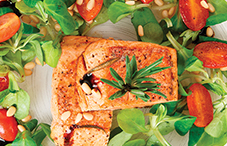 Stress may reduce the benefits of healthy eating, according to a study in Molecular Psychiatryopens in new window. Researchers asked 58 women to eat two meals on two separate days. On one day, the meal was high in saturated fat, which has been linked to heart disease; on the other day, the meal was prepared with healthier fats. The women also answered questions about depression and daily stressors and had blood drawn. Among low-stress women, biomarkers of inflammation were lower on the day they ate the healthier meal. But among high-stress women, inflammation markers looked similar after both meals, suggesting that stress affected participants' responses to different kinds of fat.
Sounds the same
Languages all over the world use similar sounds to describe some objects and concepts, according to research in the Proceedings of the National Academy of Sciencesopens in new window. The researchers analyzed 40 to 100 basic vocabulary words from 62 percent of the world's approximately 6,000 languages. They found that many of these basic words were associated with specific sounds: For example, the words for "nose" are likely to include the sounds "neh" or "oo" and the words for round are likely to contain "r." The researchers say more work is needed to explore how these word-sound associations evolved.
Weight discrimination
Just a few extra pounds may hurt a woman's chances in the job market, suggests research in PLOS ONEopens in new window. Researchers showed 120 participants photos of four male and four female "job applicants" and asked them to rate the candidates' suitability for either a customer-facing job, like a salesclerk or waiter, or a back-end job, like a stock clerk or kitchen assistant. The researchers digitally altered the photos to show the same candidates at different weights, but all were within a healthy BMI range. Nonetheless, the participants rated the slightly heavier versions of the photos significantly less suited for the jobs than the thinner versions, and the difference was greater for customer-facing jobs than for noncustomer-facing ones.
Bad odds
 Men who gamble are more likely to commit violence than those who don't, according to a survey of 3,025 men in the United Kingdom, published in Addictionopens in new window. The researchers found that half of pathological gamblers, 45 percent of problem gamblers and 28 percent of casual gamblers were involved in physical fights in the past five years, compared with only 19 percent of nongamblers. Gamblers were also significantly more likely to have hit a child or acted violently against a partner. It is not clear whether gambling increases the risk of violence or vice versa, or whether both stem from some other common cause, the researchers say.
Crying together
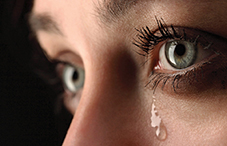 Why do people watch sad movies? Part of the draw may be that viewing an emotional drama releases endorphins and helps people forge bonds with their fellow audience members, suggests a study in Royal Society Open Scienceopens in new window. Researchers asked 169 participants to watch a tragic movie in a theater setting, and another 68-person group to watch a dry documentary. Afterward, the drama-watchers did better at a test in which they had to sit against a wall, unsupported, for as long as possible. This "Roman Chair" task is a proxy for increased endorphin release because endorphins allow people to ignore the discomfort of the task. The drama-watchers also reported a greater sense of belonging and bonding with their fellow moviegoers than those who watched the documentary.
Cyberbullying
Teens who have experienced bullying, meanness and other negativity on Facebook are at significantly higher risk of depression than those who haven't, according to a study in the Journal of Adolescent Healthopens in new window. Researchers surveyed 264 teens about their experiences on Facebook, asking about the frequency, severity and types of negative experiences. They found that teens who had negative experiences on the site had a 3.2 times greater risk of depressive symptoms than those who had not, even after controlling for parental mental health, sex, race and ethnicity, reported social support, daily Facebook use and income. Teens who had more frequent and severe negative experiences were at even higher risk.
Watch your diet
Open kitchens are trendy, but they may be bad for your waistline, suggests research in Environment & Behavioropens in new window. Researchers observed 57 college students eat buffet-style meals in a lab's kitchen/dining area. The researchers used folding screens to arrange different setups, including one in which diners could see the food serving area and one in which the two areas were separate. Participants got up for more refills and ate 170 more calories, on average, during meals in which they could see the "kitchen" than during meals in which they couldn't. The study results could have implications for the design of group eatingspaces like college, school, workplace and nursing home cafeterias, the researchers say.
Keep moving
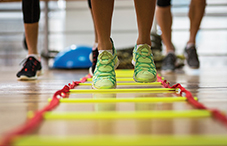 Moderately vigorous physical activity in middle age—any exercise more strenuous than walking—is associated with better cognitive health 25 years later, according to a study of more than 3,000 Finnish twins in the Journal of Alzheimer's Diseaseopens in new window. Researchers asked middle-age participants about their physical activity in surveys in 1975 and 1981. Then participants' cognitive abilities were assessed between 1999 and 2015, when they ranged in age from 66 to 97 (average age 74). The researchers found that the association between moderate physical activity in middle age and better cognitive health in old age held even after controlling for such factors as smoking, education level and obesity.
Valuing time makes you happier
Time and money are both limited resources—and people who value their time more than they value money are happier than those who choose money over time, according to a study in Social Psychological and Personality Scienceopens in new window. Researchers asked a nationally representative sample of more than 4,400 people which of the two they valued more; about 64 percent of respondents said that money was more valuable to them. But the researchers also asked participants about their happiness levels, and found that the people who valued time were happier, on average, than those who valued money. The finding held even after controlling for participants' income and amount of free time.
Space travel
Astronauts on a long-term mission to Mars could face cognitive impairments from exposure to cosmic radiation, suggests a study in Nature Scientific Reportsopens in new window. Researchers exposed rats to charged-particle irradiation, similar to the cosmic radiation exposure that astronauts would face on a two- to three-year mission. Six months later, the rats had significant brain inflammation and neuron damage. The researchers also found that the rats performed more poorly on tests of learning, memory and fear extinction, which is related to anxiety.
In sickness and in health
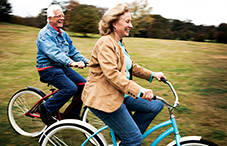 People with happy spouses are healthier, on average, than those with less happy ones, according to a study in Health Psychologyopens in new window based on a longitudinal survey of 1,981 heterosexual couples age 50 and above. Four times over six years, researchers assessed participants' levels of happiness and their physical health, including self-reported health, chronic disease and physical impairment. Previous research has found a link between people's health and their own happiness, but the new study is the first to find that one spouse's happiness significantly predicted the other spouse's health as well.
Soda warnings that work
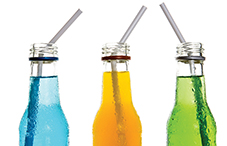 Health warning labels could help convince teenagers to drink fewer sugary beverages, suggests research published in the American Journal of Preventive Medicineopens in new window. In an online survey, researchers asked more than 2,200 teens to choose a beverage from a hypothetical vending machine. Participants were randomly assigned to either see no label on the beverage, a simple calorie label or one of four warning labels about the detrimental health effects of sugary drinks. Seventy-seven percent of teens who saw no label chose the sugary drink; those who saw a warning label were 8 to 16 percentage points less likely to choose it, depending on the wording of the label.