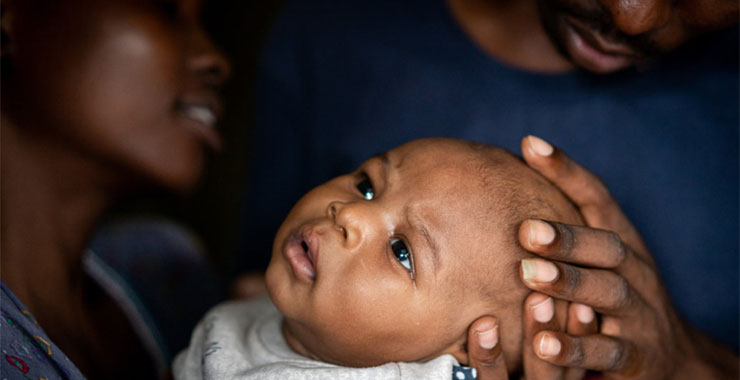
In the workplace, women often face discrimination around pregnancy, motherhood, and maternity leave. Some employers even assume that women will take leave based solely on their age—and see this as a risk when hiring—in what psychologist Eden King, PhD, calls the “maybe baby” effect (Peterson Gloor, J. P., et al., Journal of Applied Social Psychologyopens in new window, 2021). But experts say offering leave to everyone can help reduce that type of discrimination and minimize career setbacks during the transition to parenthood.
Many women face a tough choice when it comes to maternity leave. On one hand, the research is clear that leave provides crucial time to heal and bond after birth. On the other hand, taking longer leaves can harm women’s career progress and their relationships with their supervisors (Hideg, I., et al., Journal of Applied Psychologyopens in new window, Vol. 103, No. 10, 2018). As a result, women may feel compelled to come back early from maternity leave or stay in touch while they’re away.
“At the expense of their own health and their child’s health, women may try to remain tethered to work to show that they’re still committed to their jobs,” said Ho Kwan Cheung, PhD, an assistant professor of psychology at the University at Albany in New York.
[Related: The urgent necessity for paid parental leave]
But experts say the onus should not fall on women to mitigate anticipated unfair treatment that could harm their standing at work. Instead, companies should consider how they can better support all employees—not just parents—in navigating life circumstances outside of work, Cheung said. In addition to maternity and paternity leave, that might include offering time off to care for a sick parent or to mourn a recent loss. That sort of shift could also help reduce resentment from employees without children who may view parental leave policies as unfair.
Research indicates that offering parental leave can also benefit organizations themselves, improving recruitment, retention, and employee engagement (Paid Family and Medical Leave: Good for Businessopens in new window, National Partnership for Women & Families, 2018). But for leave to help companies and individuals, it needs to be seen as usable.
“At some organizations, you may be taking the leave but feel terrible about it, or concerned about how it’s going to impact your career,” said King, an associate professor of industrial/organizational psychology at Rice University.