
Who am I? What groups do I belong to? What does my group membership say about me in this society? These are fundamental questions about our identities and the contexts in which we live. Am I extroverted or introverted? How competent do I feel in various domains? Do I believe that I will be successful in my academic and vocational endeavors? If I encounter barriers, do I have the wherewithal to find alternatives to achieve my goals? Personality, competence, hope, and self-efficacy are just a few of the psychosocial characteristics that shape our personal identities and affect how we interpret and interact with the world.
But as developmental psychologist Erik Erikson noted decades ago, our personal identities are shaped not only by internal forces, but also by the groups that we belong to and the responses to us and to our groups in the contexts in which we all live. Is my ethnic group a numerical majority or minority? Is my primary language the one that is spoken by most members of the society in which I live? Are there limitations on what I can do based on my religion, sexual orientation, gender, social class, ethnicity, or disability? Many individuals’ views of their capacity to succeed in some domain is tied to the extent to which they see individuals like them in the domain. Indeed, the greater the diversity in a society, the more important the issue of representation becomes, especially for children and adolescents who have not yet had their dreams delimited.
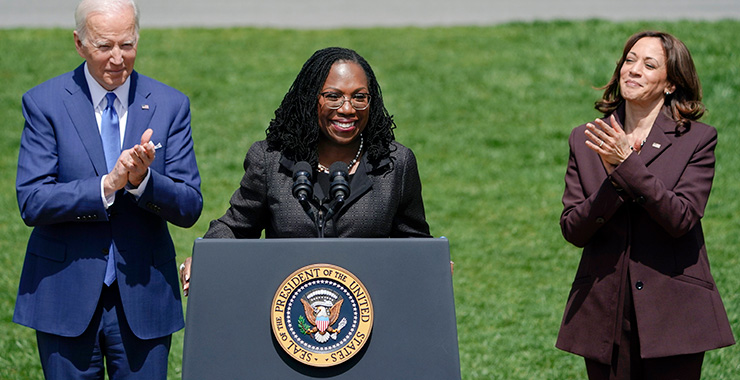
This July 4 will be the 246th anniversary of the Declaration of Independence and our country is still celebrating a lot of firsts—with many more to come. Earlier this year, Madeleine Albright, the first woman to serve as U.S. Secretary of State, passed away. The Senate confirmed the first African American woman to serve as a Supreme Court Justice, Ketanji Brown Jackson. We can add other firsts to this list: Kamala Harris, Barack Obama, Pete Buttigieg, Deb Haaland, Mazie Hirono, Sonia Sotomayor, and more. Let us continue to work to get past the firsts to the seconds and the thirds, so that individuals from all backgrounds see themselves—and their identities—represented at all levels of society to give meaning to the phrase, I see you: Sawubona, Sanibonani.