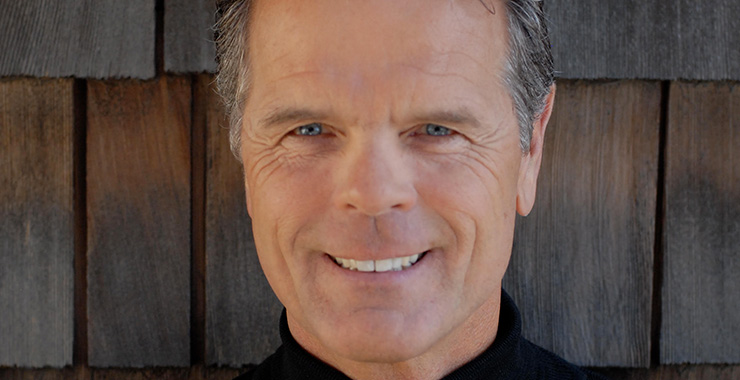
Clinical psychologist Richard Levak, PhD, a Del Mar, California–based personality testing expert, advised on cast screening and provided mental health follow-up for 5 years on Survivor and did similar work for the producers of Big Brother and The Amazing Race.
He says this particular type of entertainment consulting is “wide open” for psychologists’ involvement, especially for those who can break free from clinical and scientific jargon when communicating with the industry. We asked him what he learned from the experience.
How did you get involved in Survivor, and what were your responsibilities?
In the Swedish version of the show, which had aired a few years earlier, the first person to get voted off the island died by suicide a month after returning home. So, the mental health of potential contestants was top of mind.
The producers wanted to know the contestants’ core characters and how they might evolve over the course of the show.
My role in the first 10 episodes was to test people and report back to producers about who they really were. Some people play roles. Especially as the genre evolved, people wanted to get on the show, so they played a role.
[Related: Is mental health still misconstrued on screen? Psychology goes to Hollywood to dispel stigma]
As people got voted off, I had a phone call with them and a follow-up call when they got home. There was a lot of emphasis on making sure people adjusted well to life after Survivor.
What did you learn about human behavior?
I was able to broaden my knowledge of personality. In my practice, I saw people high on anxiety. But with reality TV contestants, I often saw people whose anxiety level was two standard deviations below the means. They didn’t even understand a question like, “Have you ever missed a night’s sleep because you were so worried about something?”
Reality TV also helped me understand the wonderful capacity for human resilience. One woman who had been abused wanted to go on Big Brother. I didn’t want her to go on, but she thought that not doing it would be essentially experiencing abuse a second time.
The work taught me that it can be unethical to limit someone’s chances for an event they’d like to experience simply because they’ve endured abuse. It taught me that we really have to examine for resilience.