When Joey Graziadei appeared in the title role of ABC’s The Bachelor in early 2024, contestants and fans alike praised the tennis pro for his “emotional intelligence” and empathy. Meanwhile, on Bravo’s Vanderpump Rules, the show’s stars argued over “boundaries” and “narcissistic tendencies.”
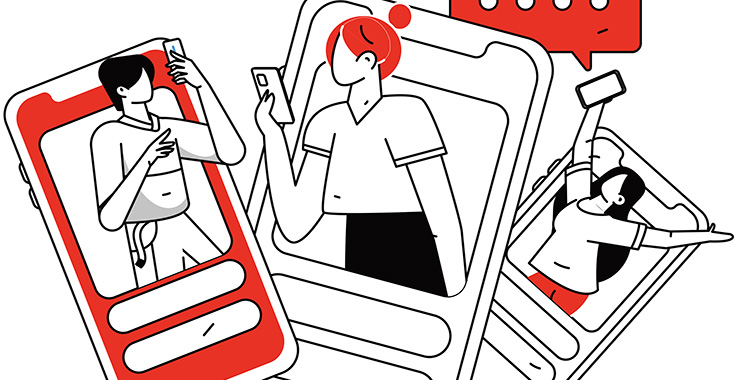
If you are a psychologist looking to reality TV as a break from psychological concepts once largely relegated to textbooks, ivory towers, and one-on-one clinical work, you may be out of luck. Psychological terms are increasingly heard—maybe used accurately, maybe not—in viral TikTok videos, among friends conversing on public transportation, and in popular songs, too.
In one study that analyzed the 25 most popular rap songs at five points between 1998 and 2018, for instance, researchers found that top songs with references of suicide increased from 0% to 12%, songs with depression-related lyrics doubled from 16% to 32%, and songs including mental health metaphors grew from 8% to 44% (Kresovich, A., et al., JAMA Pediatrics, Vol. 175, No. 3, 2021opens in new window).
“Mental health language has always sort of seeped into colloquial speak. There was a time when people said ‘schizophrenic’ to mean changing your mind. People would use the term ‘OCD’ to mean you pay attention to detail,” said Jessi Goldopens in new window, MD, a psychiatrist and chief wellness officer for the University of Tennessee System, which includes five campuses throughout the state. “So mental health-speak has always been there, but it’s amplified with a more emotionally aware generation to begin with, and one with more access to the words.”
There are pros and cons to the trend, psychologists say. On the one hand, the public’s embrace of therapeutic concepts reflects an increased awareness around mental health issues, helps people find identity and community, and can make psychology more accessible in general. On the other hand, the terms are often misused and misinterpreted, can keep people stuck in self-diagnoses instead of seeking evidence-based solutions, and may minimize the pain of people with serious psychiatric illnesses.
“I love it and I hate it,” said Taisha Caldwell-Harveyopens in new window, PhD, a clinical psychologist in Martinez, California, and founder of The Black Girl Doctor. “I love it because it could be a reflection of a deeper societal change where our emotional well-being and our psychological well-being are becoming more central to all of us and our narrative and how we see the world. And then that gets juxtaposed to this generation being subject to the most misinformation of any generation.”
Psychologists, then, have an important role to play, Caldwell-Harvey and others say, in nudging the popular vernacular toward what’s most accurate—and empowering. Ohio-based clinical psychologist Lisa Damouropens in new window, PhD, puts it like this: “We should not underestimate the importance of our trained voices in helping the public share in our reassuring and evidence-based understandings of the human condition.”