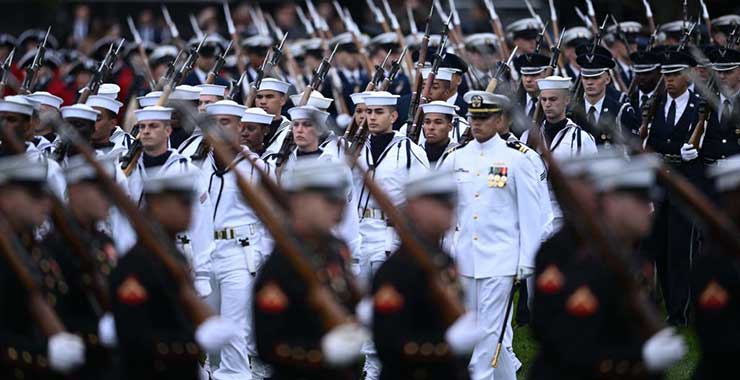
According to the 2024 Navy’s Health of the Force survey, for example, nearly 2 in 5 enlisted sailorsopens in new window reported feeling severely or extremely stressed. Service members often face high-stakes and unpredictable situations and perform duties that require them to make quick decisions and think clearly while carrying out complex tasks. Military careers also come with unique stressors, from deployment and combat exposure to family separation and difficulties transitioning back to civilian life.
To help with the challenges specific to life in the military, training and leadership development programs now routinely include mental conditioning. Metaphors like “brain exercise,” “push-ups for the mind,” and “bicep curls for the brain” describe this vital cognitive fitness training. Research shows it boosts performance, reduces emotional reactivity, and supports physical health. Psychologists are at the forefront of this crucial shift, spearheading programs to develop mission-critical mental strength and an optimal warrior mindset. Service members report boosts in their decision-making abilities as well as positive impacts in their relationships and overall mental and physical fitness.
The Department of Defense has embraced a comprehensive approach to weaving mindfulness-based programs into overall military training. “We’ve been able to incorporate it into everything, ranging from when they come into the military during their basic training to field training exercises, garrison or routine operations, all the way to pre-deployment, during deployment, and after deployment operation,” said Timothy Hoyt, PhD, a clinical psychologist and deputy director for force resiliency in the Office of the Under Secretary of Defense for Personnel and Readiness.