 Brian A. Anderson (Perception, Motor Performance)
Texas A&M University
Citation:
For his outstanding and pioneering work on the role of learning in automatic attentional biases. Brian A. Anderson’s development of methodologies to study attentional capture by stimuli associated with reward gave rise to the popular idea of an overarching learning-dependent mechanism of attentional control referred to as “selection history.” His programmatic and prolific exploration of these phenomena using both behavioral and neuroscientific methods has revealed multiple independent learning mechanisms influencing attentional control. A tireless, creative and dedicated researcher, his work has important translational implications for behavioral health and our understanding of addiction.
 Molly J. Crockett (Social Psychology)
Yale University
Citation:
For distinguished contributions to the psychology of human morality; for exquisite experiments that shed light on the social, cognitive, and neuroscientific processes leading people to decide whether to help or harm, to punish or extend grace, to trust or to condemn. Through the deployment of a vast and impressive methodological toolkit, Molly J. Crockett’s work has unearthed basic principles of both moral cognition and behavior, in the lab and the world, that ultimately will inform interventions to increase our prosocial tendencies and reduce our more damning ones.
 Corinne A. Moss-Racusin (Social Psychology)
Skidmore College
Citation:
For her outstanding contributions to social psychology including investigations of backlash against gender vanguards, which have led to successful interventions that defeat stereotypes and prejudice. Corinne A. Moss-Racusin’s work helps society to overcome biases that contribute to gender segregation in the workforce, thereby liberating people to perform the work they are most passionate about without being held to double standards or expectations regarding what they ‘’ught to be.’’ As a testament to her interdisciplinary approach, her research has appeared in leading scientific journals, including Nature, Science, and Proceedings of the National Academy of Sciences, and has been widely communicated through prestigious news outlets.
 Dobromir Rahnev (Behavioral/Cognitive Neuroscience)
Georgia Institute of Technology
Citation:
For outstanding contributions to the fields of perceptual decision making and visual metacognition. Dobromir Rahnev’s work has revealed the determinants of subjective evaluation in perceptual tasks, the sources of metacognitive inefficiency, and the neural implementation of the control of perceptual decision making in the prefrontal cortex. Rahnev’s research on the suboptimality of perception is beginning to shift the role of optimality in the field. He creatively combines computational modeling, functional neuroimaging, brain stimulation, and psychophysics, while his dedication to the principles of open science has resulted in the creation of large repositories of open data such as the Confidence Database.
 Daisy R. Singla (Applied Psychology)
University of Toronto
Citation:
For innovative research in the area of global mental health with an emphasis on improving access to evidence-based psychological therapies to historically underserved populations. Daisy R. Singla has emerged as a leader in the strategy of task-sharing of interventions to non-specialist providers, and her work spans the design of culturally adapted interventions, the assessment of competencies, and the implementation of measurement-based peer supervision, in the context of large pragmatic clinical trials in real-world settings in three continents. Her work also incorporates rigorous tests of moderation and mediation in the process of reducing inequities in access to evidence-based mental health care.
 Laura B. Zahodne (Individual Differences)
University of Michigan
Citation:
For her seminal contributions to the understanding of individual differences in cognitive aging and Alzheimer’s disease, particularly in relation to racial and ethnic inequalities. Laura B. Zahodne’s work has provided foundational knowledge concerning the environmental factors that underlie persistent racial disparities in late-life cognition. Specifically, she showed that social stress (e.g., discrimination) independently contributes to cognitive inequalities. Moreover, she identified variables that protect against cognitive aging, including education and social support; thus, her work identifies potential targets for intervention. Through her rigorous and innovative research, she is addressing issues that are among the most critical facing society.



 Lisa Feldman Barrett
 Megan R. Gunnar
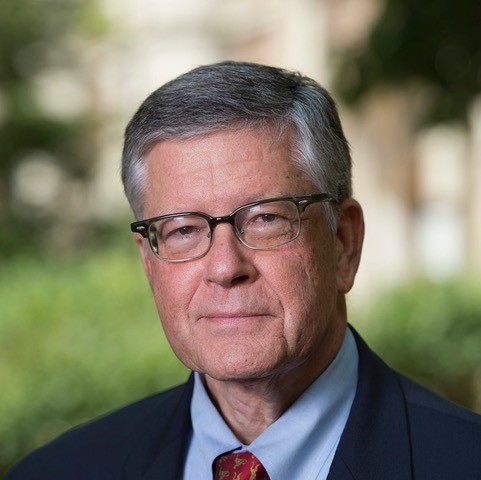 Henry L. Roediger III
 James H. Sidanius