Kim Mills: Nearly three years after the COVID-19 pandemic began, the vast majority of Americans have been infected with COVID, and many are ready to declare the pandemic over. But millions of others are still living with the effects of the virus. Estimates of the prevalence of long COVID vary, but there's no doubt that COVID can in some cases trigger physical, mental and cognitive symptoms that can last for months, or even years.
So what is long COVID, and who is most at risk for it? What are the mental health and cognitive symptoms? How much do researchers know about what causes some people to develop long COVID and not others? How similar is long COVID to other postviral illnesses? What treatments are available, and are we getting those treatments to the people who need them? Are kids and teens getting long COVID or does it affect mostly adults? And finally, what are the most pressing questions that researchers need to answer now to get help to patients who need it?
Welcome to Speaking of Psychology, the flagship podcast of the American Psychological Association that examines the links between psychological science and everyday life. I'm Kim Mills.
We have two guests today, both of whom are neuropsychologists who work with patients with long COVID. First is Dr. Tracy Vannorsdall, a board certified clinical neuropsychologist and associate professor of psychiatry and behavioral sciences at the Johns Hopkins University School of Medicine. She's a clinician and researcher who's worked with patients, provides insight and motivation for her research. She has studied cognitive functioning in patients with cancer and other illnesses, and she now studies and treats patients in the Johns Hopkins post-acute COVID-19 clinic. Next is Dr. Rowena Ng, a pediatric neuropsychologist at the Kennedy Krieger Institute, where she works with children and teens in the pediatric post-COVID rehabilitation clinic. She was part of an interdisciplinary team that recently developed guidelines to help pediatricians and primary care physicians identify and treat long COVID. She's also an assistant professor of psychiatry and behavioral sciences at the Johns Hopkins University School of Medicine.
Thank you both for joining me today.
Rowena Ng, PhD: Thanks for having us. I'm excited to be here.
Tracy Vannorsdall, PhD: Thank you for having me.
Mills: I mentioned in the introduction that it's tough to pinpoint exactly how many people are suffering from long COVID. Why is that? Do doctors and researchers have any ballpark sense of how large those numbers might be?
Vannorsdall: That's a great question. I think part of the answer depends on how you ask the question. If you're looking at patients who are presenting to long COVID clinics, you're likely to see elevated rates of certain patterns of symptoms, and then when you are surveying the general population, individuals who opt into surveys may be more likely to be those who have symptoms. Our larger, more epidemiologic studies that try to cast a wide net of individuals who may or may not have had COVID are probably providing one of the most accurate estimates of long COVID symptom rate out there.
Mills: So there's nowhere to report it. It's only if you happen to get somewhere in the whole system. If you're checked into a hospital and you're there for a month, we know you've got long COVID.
Vannorsdall: Right, and there are electronic medical record studies that are looking at diagnoses and medically captured symptoms that make it into the electronic medical record. But those are sometimes pretty gross measures of symptom presence. We don't know in some cases whether they existed before COVID, if they came on right with the COVID illness, whether they're late onset symptoms, for example.
Mills: Dr. Ng, is the prevalence as high among children and teens as it is among adults? Do we even know?
Ng: Yeah, generally it seems like from what we see across studies and from recent papers out from JAMA, I think that overall there's generally a less, a lower prevalence rate of COVID or infections among children or a children generally. But even within these we see tend to see a little bit lower rate of or generally of long COVID in children and adolescents. That doesn't necessarily take away the impact of long COVID, but we tend to see a little bit less of a prevalence or at least less risk for long COVID among children than adults.
Mills: And are the symptoms similar? Do children suffer as much as we're hearing that adults are suffering, in some cases?
Ng: We see a lot of overlapping symptoms, but I think it's a little bit different in terms of how frequently it's reported in terms of the higher—how much as one of the higher impact of all the types of symptoms that they're presenting compared to adults. So for example, children similarly present with fatigue, some having difficulties with physical or exercise or tolerance for exercise, cognitive complaints or having kind of feelings of talkative changes. A lot have mood, sleep disturbances, headaches, but among children they do present, compared to adults, seem to present a little bit less in terms of cognitive changes compared to adults. We tend to see more along the lines of fatigue, sleep disturbance, at least in some more recent studies.
Mills: Dr. Vannorsdall, let me ask you this, long COVID is a new illness because COVID has only been identified among us for about the last three years or so. Is there any official agreement as to what constitutes long COVID and how you diagnose it and how long do the symptoms need in order to qualify?
Vannorsdall: That also is a great question. So the World Health Organization has issued guidelines for their criteria for long COVID. You don't have to have a positive COVID test. The symptoms might come on with the acute illness or they may come on later, they may fluctuate over time and they generally cross diagnostic or guidelines that have been put forth by various governance groups. We tend to think that symptoms need to be present 12 weeks or longer under most of those systems.
There's a lot of work being done to try to harmonize or operationalize long COVID, but it's still a fairly messy construct when you think of diffuse symptom pictures. Some of the symptoms could be fairly prevalent among healthy adults out in the population. Things like feeling a bit fatigued, having some low mood or anxiety. We know that there are relatively high base rates of those issues and then these symptoms can come and go over time. So it makes it really challenging to tease apart what is etiologically or causally related to the COVID illness. What is related to the psychosocial stress of living through the pandemic and having an illness. There's a lot to really tease apart.
Mills: So who is most at risk for a long COVID? Are we seeing more cases among people who are say older or immunocompromised for example? Or what about men versus women? Are there statistical differences there?
Vannorsdall: So in the adult literature, we do tend to see that our patients who are more acutely ill, meaning they required stays in the intensive care unit, they tend to have more persistent long COVID symptoms. And we know that that's common for almost everyone or many populations who end up in the ICU. There's an entire literature on acute respiratory distress syndrome that tells us that being in the ICU, the social isolation, the proning, the ventilation, many of those factors can contribute to long-term neuropsychological neuropsychiatric difficulties. But more broadly, we're also seeing long COVID symptoms in individuals who had milder acute illnesses and who are younger. And in those cases, the risk factors that keep popping up more consistently in the research tend to be female sexed and having a history of pre-existing anxiety or depression. Depending on how the research is conducted we may also see various racial or ethnic backgrounds look more or less likely to experience long COVID. There are some studies suggesting that those with greater socioeconomic deprivation or those who have more health core morbidities may also be at greater risk for long COVID.
Mills: And, Dr. Ng, you're seeing the same thing among the younger cohort?
Ng: Yeah, we're pretty much seeing very similar risk factors, but I think we also noticed that it seems like, at least one more recent study that came out, those who are adolescents, so about 12 and above seems to be at a little bit higher risk than younger children with long COVID. That being said, it might be a biased reporting because young children don't have the necessarily verbal skills to report symptoms compared to school age and adolescent children. And so I think it's the kind of a measurement issue there. You see?
Mills: Are people less likely to experience long COVID if they had a mild or a moderate case to begin with rather than severe? And does being vaccinated have any bearing on whether you get long COVID or not?
Vannorsdall: Well, the vaccination question, there seem to be several studies suggesting that vaccination may be associated with reduced rates of long COVID, the data aren't entirely consistent and we're not exactly sure how much lower a person's risk is, but certainly we know that avoiding COVID is going to help you avoid long COVID. So everything that we can do to avoid getting COVID in the first place, which includes vaccination, should be protective for long COVID as well.
Mills: So what if you've been infected with COVID once? Does that reduce your risk for long COVID if you get infected again or does it have no bearing? And what about infection with a new strain? I mean there's so much stuff going on out there that we don't really have our arms around yet.
Ng: Yeah, I think there's a lot of limited literature regarding kind of the infections and then the complications of thinking about other factors like vaccinations in between infections as well. I think there's now multi-site studies like The Recover from the National Institute of Health trying to look at these more controlled kind of factors, thinking about these different variables. But right now I think there's still quite a limited literature to suggest in terms of thinking about if there's going to be different presentations or how much different—or how kind of significant in terms of severity of symptoms or anything like that changes with secondary or tertiary kind of infections. There's a lot more limited kind of empirical evidence I think to looking into that.
Mills: You both see patients who come into your clinics with cognitive concerns, what kind of symptoms are they experiencing?
Vannorsdall: So from the adult side, I think many folks have heard of the term brain fog throughout this pandemic. And as a neuropsychologist, I not a huge fan of the term because it lacks this type of specificity that I like to work in, but our patients are telling us generally that they do feel cognitively sluggish or slowed, but just as often they may say that they just feel sort of inefficient. They can't find their words as fluently as they previously did. They're finding that their attention is more easily pulled away from the task at hand. They're distractable, they're no longer able to juggle multiple activities in their workday, for example.
They may be more forgetful and so that they're frequently really bothersome and irksome for patients that I see. Now for patients who are more severely ill and in the ICU we may see patients who have had strokes or had more profound cognitive changes, but most of the patients who are coming through my clinic tend to be those who were able to recuperate at home and did not require an ICU stay. And so for them it's really this sort of inefficiency and feeling like they're off their game and they come in wanting to get some help with strategies to improve their functioning.
Mills: And what are those strategies? I mean, how do you treat brain fog?
Vannorsdall: The first thing we need to do is really assess because our patients can tell us that they feel off and they can describe the settings and situations in which they're having difficulties. But as neuropsychologists, our role is then to translate it that into what we know about brain and behavior and assess for different types of thinking skills to see where patients are having strengths and where their weaknesses lie. And then we try to devise compensatory strategies to really capitalize on those areas of strength so that we can minimize the occurrence of cognitive errors in everyday life.
We're also really focused on identifying any of the modifiable risk factors for cognitive difficulties. So you can take COVID out of the picture and if you're fatigued or sleeping poorly, if you're taking cognitively compromising medicines, if you're not taking your medicines correctly and your blood sugars are spiking and falling throughout the day, if you have ongoing anxiety and depression, all of those things can contribute to cognitive difficulties. And so if you add on COVID, it really can be a recipe for real troubles in your everyday life. So we want to also make sure that we're keeping an eye out for all of those things that we know we can help address that are more behavioral in nature in terms of helping with sleep hygiene and medication adherence and addressing mental health symptoms.
Mills: Dr. Ng, are you seeing brain fog in younger patients as well and how do you help them? What's the treatment? Is it the same?
Ng: We definitely also see complaints of brain fog and I think I agree that I think the term, it's kind of gray in terms of it doesn't—it’s not very specific about how it impacts or what are the really thinking changes that they really experience. But a lot of times it seems like from a more day-to-day completely, a lot of children and adolescents are really reporting in the kind of thinking slower, having more memory or learning challenges than before and feeling more challenges or slower at taking in information than they used to.
Generally in terms of recommendations from clinical and a lot of times more school perspective is really again, helping more environmentally and behavioral strategies to best support children as they kind of acclimate and kind of adjust back to the school environment, school curriculum and really helping them feel comfortable to resume activity rather than stay away or disengage from activity because it feels sort of—many feel it's so debilitating. And so I think a lot of the strategies include helping school teams really recognize what does it mean to be pacing the amount of school activities and pacing the amount of work and what does that mean in terms of each person being individually different in the amount of activity they could tolerate too? And then thinking about more day-to-day also again similarly, how can we support sleep, making sure that you're well hydrated, good nutrition, things that are day-to-day behavioral changes that we can do to support good health that could also then support good brain health?
Mills: And are cognitive rehabilitative exercises for young people different from the ones that you might use with older folks?
Ng: I think a lot of the, in terms of for us right now, a lot of exercises we're really kind of supporting is also similarly thinking about cognitive coping skills and thinking about how to manage some of the physical symptoms as well. So especially for a lot of children who are having more headaches, fatigue, how to best manage those symptoms in addition to thinking about a more effective mood and anxiety concerns that often overlap with a lot of physical symptoms. We think about when children are suddenly having this increase of physical concerns and physical symptoms, of course it impacts their day-to-day life a lot. And so that raises a lot of anxious concerns for children as well. And so in addition to thinking about how to manage some of these physical symptoms, really kind of helping them how to feel that they can keep in control of some of the anxiety and some of the kind of mood and negative kind of affective symptoms as well.
Mills: Early on in the pandemic there was a lot of publicity about people losing their sense of smell and taste. Is that also associated with long COVID? Are you still seeing a lot of that and does that also last a long time?
Ng: I think from a pediatric side that's not as—I wouldn't say that that's really one of the more frequent symptoms that's often presented in children with long COVID. And I think we see a little bit more of, again, the kind of more the fatigue, sleep issues, that tends to more a little bit prevalent among this population.
Vannorsdall: So we certainly are still seeing even with these later waves of COVID-19, a fair proportion of old adults who are noticing changes in their sense of smell and taste. And interestingly, it may come back for a bit and then recede again. It appears to be recovering in fits and starts for many of the patients that I'm seeing, which can be frustrating for them because many of us enjoy food and drink and having that affected can affect their quality of life.
Mills: How common are the types of specialty long COVID clinics that you work at? How common are these clinics? Is this type of care accessible to all the people who need it or are they just the lucky few who get to come to you two?
Ng: From the pediatric side, I think there's not too many of these multidisciplinary kind of clinics, but they are growing. A lot of new clinics are growing across the nation. That being said, I think access is definitely a broad problem and I think there's multiple kind of clinical groups right now thinking about consensus kind of guidelines for primary health to help support primary care physicians and more to think about how to address some of these symptoms because I think there's a good recognition that not every family may be able to see all the different types of specialists based on where they reside, based on different kind of socioeconomic barriers as well, the cost and whatnot.
And so I think access is definitely one of the challenges I think, and that still kind of presents even right now, years after the onset of COVID and we're still kind of trying to figure out how can we best navigate that and help increase access. Now, especially at Kennedy Krieger, we have offered some of the telehealth opportunities to make sure that some families who are residing out of state who may not have those... access to care, can still get some access to care through digital or telehealth means.
Mills: Yeah, telehealth has been a real great side effect. It's been a real boon that we'd got out of the COVID pandemic. I have to say.
Vannorsdall: I couldn't agree more, I couldn't agree more. The opportunity to see our patients in their homes, especially our patients with fatigue, it's a real barrier for them to get into a clinic, especially sometimes at a major medical center which tend to be located in urban areas and might be quite a drive. But I also agree more broadly that there is a very large need for clinical care. We're seeing specialized clinics pop up all over the country and present in most major medical centers, but there's just simply aren't enough trained neuropsychologists, clinical psychologists, rehab psychologists, speech language providers and other types of medical specialists to really handle the flow of patients who are seeking care at this point.
Mills: How much of your practice is telehealth at this point?
Ng: We actually see quite a bit, I think our last time we checked it was almost like half actually, the patients we see, are out of state and are seen via telehealth. We're seeing much more now in person as I think families are also more comfortable seeing in person as well. But part of that is I think that with the multidisciplinary clinic, with children and teens coming in all day, getting physical examinations, especially if they're out of state, throwing in testing on top of that just is a lot in terms of children who are ready fatigued from long COVID is much more challenging for them to kind of tolerate. And so we've kind of adapted in terms of providing some telehealth or tele-neuropsychological evaluations to make it a little bit easier for scheduling and planning for families who are coming from out of state and who might not be able to stay longer term for our kind of multidisciplinary care.
Vannorsdall: And most of the patients I see have also been seen first in our multidisciplinary care clinic. And I'm not certain the proportion that are doing telemedicine versus in-person for those exams, but once they get to me, quite often I will leave it up to the patient unless there's something in their record that makes me feel like I need to do their exam in person. And so some patients, actually a surprising number, prefer to come into the clinic and do things old school, which is wonderful. I love seeing people face-to-face. But it is also the case that we've now moved to nearly 100% of my feedback sessions when I'm going over the results and giving guidance and talking through my findings of my exam and what I think should come next, we're using online and virtual platforms for that almost exclusively, which has been very nice because we're able to connect much more fluidly and patients aren't quite as stressed by having to get into the office.
Mills: So I'm wondering about some of the treatments available for physical symptoms. There was a recent piece in the Washington Post about long COVID patients who were so desperate for help that they were trying all kinds of unproven therapeutics, everything from ivermectin to blood cell washing to stem cell treatments. Are you seeing this among patients who are coming to you and how are you treating them? Because I mean, it sounds like people are pretty desperate in some cases.
Vannorsdall: I'm certainly aware that with the rising number of post-COVID clinics that there are some bad actors out there or some folks who are offering up treatments that don't have efficacy data behind them or may not even have sort of logical mechanistic pathways for improving patient functioning. And so I always want our patients to be speaking with a trusted medical provider, their primary care doctor internist if they're thinking about going outside the mainstream. But for the most part, many of my patients are part of this multidisciplinary care clinic and so they're already getting good empirically based guidance for the treatment of their symptoms. But I appreciate that there are many folks who are struggling still and feel like they need to branch out and see whatever is out there that might help them.
Mills: So long COVID has put a spotlight on the phenomenon of post-viral illnesses because other viruses can cause long-term symptoms as well. How does long-term compare to some of the other post-viral conditions?
Ng: I think from a symptom perspective, there's actually quite a lot of overlap. A lot of the symptoms like fatigue, headaches, cognitive, kind of the brain fog or the kind of cognitive experience changes, a lot of those we see in other post-viral syndromes as well. So I think we haven't reached to that point of really even comparing necessarily, studying across syndromes necessarily. But what we do see is that there's generally a similar overall presentation or at least the kind of constellations of symptoms that present in COVID with other kind of viral syndromes too. That being said, I think there's probably a little bit difference in terms of when we think about—we tend to see a lot more of these kind of more milder COVID infections compared to potentially those who have more severe, like individuals who might have been hospitalized or in the ICU might have a little bit different presentation than the broader or the more kind of bigger sample of a long COVID, what we've seen in our clinic, which are typically the ones without hospitalizations with more milder COVID infections.
Mills: Dr. Vannorsdall, are you saying the same thing?
Vannorsdall: Yes, for the most part, I think there's a fair amount of overlap with existing viral presentations as well as patients who have been characterized as having chronic fatigue syndrome. Those folks, there's a lot. That and POTS, postural orthostatic hypotension syndrome, there tends to be a lot of overlap and autonomic dysfunction across suspected etiologies. And so we're trying to figure out what is the common thread, the common mechanistic pathways. But historically these have been some of the hardest conditions to really understand in terms of what are driving patient symptoms and persistence of patient symptoms.
Mills: So what are the most important research questions out there from your viewpoints? What do clinicians need to answer really immediately in order to help patients who are struggling with long COVID?
Vannorsdall: Well, I think we need more treatment research. I'm very eager to see more treatment outcomes research. We have some very limited data and there are a number of randomized clinical trials for various medications that are in the works and that are at various stages. But I think that we need to be looking more, I'm a psychologist, so I love behavioral health interventions, to see what is the effect size for the interventions that we're offering to our patients. What are the most potent ingredients of the treatments that we're providing and how can we get these and package these interventions in a way that might help us distribute them to more patients more efficiently since we do believe that they're likely to be helpful in terms of patient functioning and quality of life.
Mills: Dr. Ng, what are you looking for? What are the big questions?
Ng: Yeah, I think and to also kind of understand a lot more kind of the general COVID presentation, if there's any kind of different subgroups in long COVID, I think it's really important to think about more controlled case controlled studies and what are comparison groups, which we don't really have in a lot of existing literature right now. A lot of these are key studies that we have, we don't really... we haven't compared to, for example, children who don't have COVID necessarily, but have been experiencing all the psychosocial stressors associated with the pandemic that we haven't had to experience many years ago. And also thinking about those who have tested positive for COVID versus those who have a clinical presentation of COVID, meaning that you have clinical diagnosis based on symptoms and not necessarily having tested positive for COVID. And then third, kind of thinking about hospitalization, those kinds of severity of COVID, that those who have tested for COVID, those who've been hospitalized versus those who might have mild symptoms.
Mills: Well, this has been really interesting. I want to thank you for the work that you're doing. I know that there are a lot of people out there who need the type of help that you are providing, and I appreciate your joining us here today to talk about the challenge of long COVID.
Vannorsdall: Could I add one thing that I often find helpful to share with patient groups? Because I think there's so much potential for stigma surrounding long COVID symptoms, surrounding the notion that while women tend to report symptoms more frequently or those with preexisting mental health vulnerabilities tend to report more long COVID. And what I really want patients to appreciate is the fact that mental health and cognitive treatments can improve functioning and quality of life, does not negate the realness of a patient's symptoms. That dichotomy of this being “all in your head” versus real is not a helpful one. We know from a lot of patient populations where the etiology or cause is very obvious, there's a stroke, there's a brain tumor, that mental health treatments can help reduce distress and disability and help improve quality of life in these patients. And we have every reason to think that it will be the same for our patients who have long COVID. So we do want to instill a degree of hope and help minimize the stigma that may be out there.
Mills: That's a great point. Thank you. And ending on a hopeful note. So again, thank you both for joining me today. This has been really interesting.
Vannorsdall: Thank you for having me.
Ng: Thanks for having us.
Mills: You can learn more about how psychologists are contributing to the research on long COVID in the November/December issue of APAs Magazine, The Monitor, which is on our website at www.apa.org/monitor. You can also find previous episodes of Speaking of Psychology on our website at speakingofpsychology.org or on Apple, Stitcher, or wherever you get your podcasts. And if you like what you heard, please leave a review. If you have comments or ideas for future podcasts, you can email us at speakingofpsychology@apa.org. Speaking of Psychology is produced by Lea Winerman. Our sound editor is Chris Condayan.
Thank you for listening. For the American Psychological Association, I'm Kim Mills.


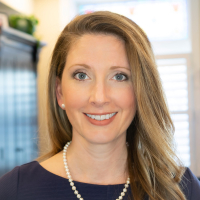 Tracy D. Vannorsdall, PhD, is a board-certified clinical neuropsychologist and assistant professor in the department of psychiatry and behavioral sciences and the department of neurology at the Johns Hopkins University School of Medicine. Her work with patients provides insight and motivation for her research, which focuses on developing methods to improve cognitive functioning in those at risk for neuropsychological declines due to illness and medical treatments. She a member of the Johns Hopkins Post-Acute COVID-19 Team, one of the earliest dedicated multidisciplinary COVID-19 survivorship clinics in the nation. Through this clinic and other research collaborations, she is working to understand the neuropsychological sequelae, clinical course, and treatment needs associated with COVID19 infection.
 Rowena Ng, PhD, is a neuropsychologist in the neuropsychology department at the Kennedy Krieger Institute, where she works with children and teens in the pediatric post-COVID rehabilitation clinic. She also holds an appointment as assistant professor in the Johns Hopkins University School of Medicine’s department of psychiatry and behavioral sciences. She was part of an interdisciplinary team that recently developed guidelines to help pediatricians and primary care physicians identify and treat long COVID.