The World Health Organization recommends that governments, citizens, media, key influencers, and communities take steps to counter the contagion of bias and stigma, even as we collectively work to contain the spread of the virus. These steps include:
Spread the facts
People are more susceptible to biases and stereotypes when they lack accurate information. Clear, concise and culturally appropriate communication—in multiple forms and in multiple languages—is needed to reach broad segments of the population, with particular focus on marginalized communities.
Engage social influencers
Faith leaders, business leaders, elected officials, and celebrities can be very effective in modeling appropriate communication and denouncing efforts to link epidemics with specific geographic areas and populations. It can be particularly effective for influencers to be visible having positive interactions with members of stigmatized groups.
Amplify the voices of people with lived experience with the coronavirus
Most people who contract the coronavirus recover, and it can be reassuring to the public to hear their experiences, particularly when these individuals reflect the diversity of our communities. Similarly, honoring frontline care providers can reduce stigma against these groups.
Portray different ethnic groups in public information materials
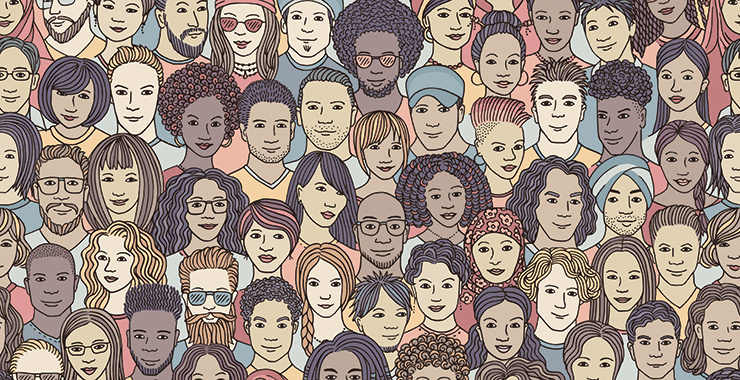
Images of diverse communities working together to reduce risk can powerfully communicate messages of solidarity and shared commitments to health and well-being. However, an outsized focus on Asian Americans in the case of COVID-19 could be harmful, so it’s important to guard against this.
Promote ethical journalism
Media reports which focus on individual behavior and infected individuals’ “responsibility” for having and spreading the virus can stigmatize these individuals. News consumers should insist on responsible media reports that emphasize prevention practices, symptoms to look for, and when to seek care.
Correct myths, rumors, and stereotypes, and challenge those whose language promotes bias
We all have a responsibility to correct stigmatizing language, and to challenge myths. No elected official should use language linking any epidemic to a particular people or geographic region, and challenging such language is a civic responsibility. Similarly, separating fact from rumor is important in an era when people are distrustful of information sources.
Bias, stigma and discrimination are public health threats. They damage the health, mental health and well-being of stigmatized groups. They also make it harder to contain current and future epidemics. We all share responsibility for good public health practice. Just as we know to wash our hands and maintain appropriate social distance, we should practice good behaviors when it comes to embracing and valuing diverse peoples and communities.