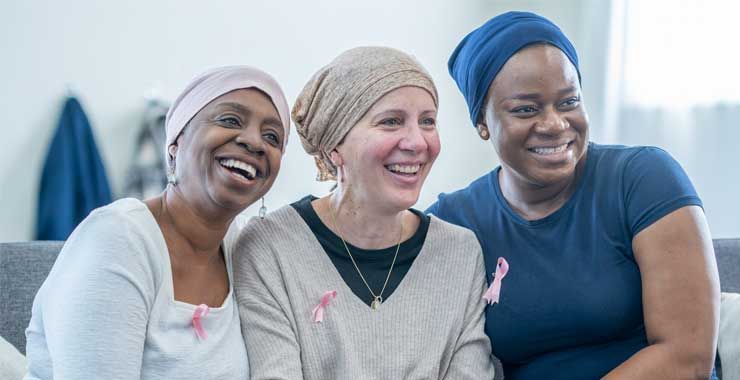
 Health psychologist Kathleen Ashton, PhD, has worked in various medical specialties including sleep, women’s health, and bariatric surgery. “I’ve always been able to adapt to a new medical area, learn it, and then expand on programs,” Ashton said. Now the director of behavioral health in the Cleveland Clinic’s Breast Centeropens in new window, Ashton’s patients include people at high risk for breast cancer, as well as breast cancer patients and survivors.
As a whole, they’re probably her favorite population to date. “They tend to be very positive and hopeful and very engaged in treatment,” said Ashton, who joined the center 8 years ago. “Sometimes, when I tell other psychologists I work with cancer patients, they think it sounds really depressing. But I find it very uplifting and motivating.” Plus, her work is needed: There are more than 4 million cancer survivors in the United States, and they commonly face mental health challenges.
To highlight the various roles for psychologists in integrated care, we asked Ashton—a member of APA’s Integrated Specialty Care Advisory Group—to talk more about the challenges and rewards of working on a treatment team specializing in breast cancer patients.