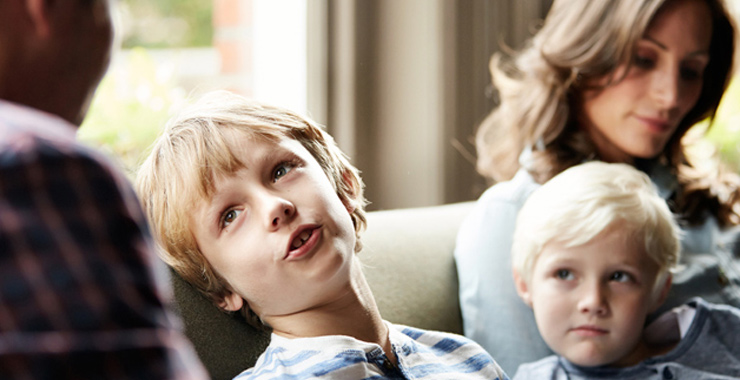
Be mindful of what you want to say and how you present it: Listen to children’s concerns before sharing your own thoughts. Ask them what they know about the election and if they have any questions. Do your best to respond with age-appropriate reassurance and information. If you respond with anxiety or anger, your child may feel increasingly uncomfortable rather than soothed and may begin to show the same reactions.
Encourage children to listen to others’ opinions with respect, even if those opinions differ from their own: We don’t all have to agree to get along, but everyone deserves to be treated with respect. Teach children to show compassion for others, and to expect that same treatment in return. Empower them to walk away from uncomfortable situations, or to change the subject or ask others to stop sharing comments, if necessary. If they feel threatened in any way or worry about others, encourage them to tell a trusted adult.
Monitor social media exposure: If you see your children having difficulty coping with what their friends are posting, limit their social media time, and provide them an opportunity to talk about their feelings with you. Talk to other parents to find out what they are hearing from their children and to work through any concerns so that you can support your children in this time of change.
Be consistent in your message and behavior: As parents, we need to model the behavior we want to see in our children. It is important that you monitor your own behaviors and reactions in order to effectively model for your children. What you do, and not just what you say, matters.
Reassure them that your love is unwavering: While they may hear hurtful statements about themselves or others, your unconditional love can serve as a buffer and as a source of comfort and stability in their young lives. It is important to remind them that even when other things change in the world, your affection and love does not. Remind them that if they ever feel upset by what someone says or does toward them or others, you will be there. Encourage them to let you know.
Take care of yourself: We’ve all heard the line about putting on your own oxygen mask before assisting your child. That thinking applies here, too. Take breaks from the news and social media, and do something positive—talk with a friend, get some exercise if you’re able to, engage in a hobby, or volunteer for a cause you care about.
For additional information on stress, depression, anxiety, and mind/body health topics, visit the psychology topics page.