Antisemitism is hatred, prejudice, and discrimination against Jewish individuals and communities, which can be expressed verbally and/or through physical aggression and actions. This hatred impacts children and families around the world, Jewish children may worry about being open about their identity at school or in public spaces while others proudly wear symbols of their Jewish identity and share their pride in being Jewish with others. Beyond the impact on Jewish children, antisemitism erodes the social compact in communities and sows division and distrust. All families have a stake in helping their children understand, recognize, and cope with antisemitism.
American Psychological Association. (2026, March 20). How to talk to children about antisemitism. https://www.apa.org/topics/racism-bias-discrimination/talk-children-antisemitism

Understanding the impact of antisemitism on Jewish children and families
Exposure to antisemitic language, threats, or violence can create fear, confusion, concerns about safety or belonging, and can impact self-esteem. This exposure can produce a range of emotions including worry, anxiety, fear, sadness, and anger. Distress may also show up as sleep problems, behavior challenges, changes in appetite, or avoiding activities such as school.
“For young people who are still forming their identity, experiencing or witnessing antisemitism, and internalizing hateful messages, can be particularly harmful, impacting thoughts about themselves and the world around them,” said Tara E. Liberman, PsyD, clinical psychologist and faculty at the Child and Adolescent Psychotherapy Training Program, William Alanson White Institute. “It is very important for young people to be able to process these experiences with trusted adults.”
Talking with children about antisemitism can help address and reduce negative emotions, as well as help them find coping strategies to use when distressed. These conversations are opportunities for caregivers to share their beliefs, values, and feelings related to how to handle antisemitism or any expression of hate.
“For Jewish children and families, acts of antisemitism are personal and threatening, even when incidents happen far away,” said Robin H. Gurwitch, PhD, a clinical psychologist and professor emeritus at Duke University School of Medicine. “When adults acknowledge that reality rather than try to minimize it, children feel seen, supported, and less alone.”
What non-Jewish children can gain from recognizing antisemitism
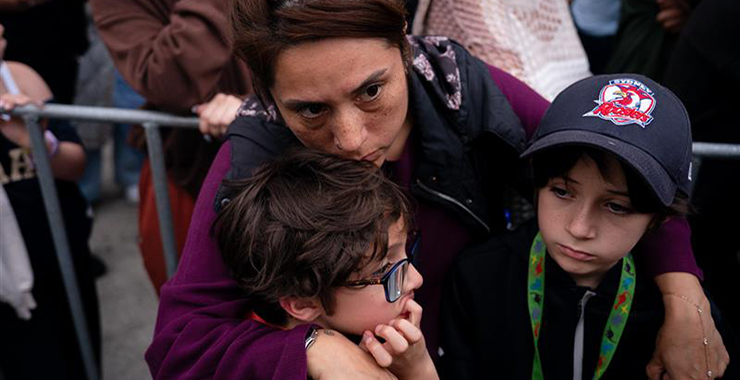
Raising awareness about antisemitism and bias is a critical part of preventing incidents from happening in the first place. But when incidents do occur, acts of understanding and empathy from others in the community in the immediate aftermath of incidents can mitigate the further harm that comes from feeling isolated and from the sense that others do not notice or understand. Ask children to consider how antisemitism might feel to a Jewish peer, especially one who may already feel singled out or unsafe. Encourage small but meaningful actions, such as speaking up against hurtful comments, checking in with a friend, or telling a trusted adult when something doesn’t feel right.
Talking openly about antisemitism helps children develop empathy for Jewish peers and understand how words and actions can cause harm. Talk to your children about what they can do should they encounter acts of antisemitism, reminding them you are always willing to talk to them and together address such hate.
“These conversations are opportunities to build empathy and teach kids that kindness and what they say and do matters,” said clinical psychologist Beth N. Rom-Rymer, PhD. “When children understand why prejudice hurts people and how they can be supportive allies, they feel empowered, not helpless, in the face of antisemitism and other forms of hate.”
Encouraging children to act safely and seek adult support when they witness antisemitism helps reinforce that standing up to hate is a shared responsibility.
Creating space for discussions about antisemitism also teaches children that such hateful behavior is not only a Jewish issue, but something all families and communities can and should address together. Caregivers play an important role in helping children recognize antisemitism and understand why it is harmful. These discussions can help you share your beliefs and values about how others should be treated.
“Caregivers should reflect on how antisemitism is addressed in their family,” said Rom-Rymer, cofounder and president of the Association of Jewish Psychologists. “They should consider if it is minimized or even inadvertently endorsed. Antisemitism, like other prejudices, can show up as implicit bias. Becoming aware of those biases and talking about them directly can make us less likely to perpetuate this hatred, even unintentionally.”
“It’s important that children who are not Jewish learn how to recognize antisemitism and show visible support for Jewish peers who may be targeted or bullied,” Rom-Rymer said.
What every family can do
APA offers several recommendations for talking with children about antisemitism and specific instances of antisemitic violence, such as the deadly attack at Bondi Beach in Sydney, Australia in December of 2025, and the January 2026 arson attack at Mississippi’s oldest synagogue.
Before starting any conversation, caregivers should check their own emotions as they may be struggling, too. Talk through these with a trusted family member or friend. Children need to see that even when adults in their lives are upset by what is happening, they can remain calm and talk about antisemitism and, most importantly, they know their caregiver is always there for them.
Explain what antisemitism is in language your child can understand
For younger children, simple explanations can help clarify complex ideas.
“Parents and caregivers can begin conversations with younger children by explaining that sometimes people are unkind to others because of who they are—such as the color of their hair, the color of their skin, their religion, or their ethnicity,” said Raquel Halfond, PhD, a child clinical psychologist and APA’s senior director of evidence-based practice and health equity. “When it’s because of skin color, it’s called racism. When it’s because someone is Jewish, it’s called antisemitism.”
Older children and teens may be ready for more detailed discussions about history, stereotypes, and how antisemitism shows up in society today.
For older children and teens
Let your child know you want to discuss antisemitism, which is the hatred of Jews just because they are Jewish. It is judging someone who is Jewish without knowing anything about them. It is believing negative things and ideas that have been said about Jewish people and believing and repeating stereotypes about Jews. Antisemitism can be expressed in words as well as actions. These hateful actions can be against the person, their businesses, or places where Jewish people worship or gather for other community activities.
Share with your child that although antisemitism has been on the rise around the worldopens in new window, it goes back more than 3,500 years. By the time they are in late elementary school, many young people have learned about the Holocaust. You can share that the Holocaust was what happened when antisemitism was carried to the extreme. Check with your child to see if they have ever experienced a situation where they were made to feel uncomfortable, or upset, or hurt by someone just because they are Jewish. For non-Jewish children, ask, “Has this happened to friends or classmates?”
It is important to let your child know you are willing to discuss difficult topics. This will increase the likelihood they will talk with you not only about antisemitism, but about other challenging issues, or bias-motivated attacks or conduct they hear about, too. Start by saying something like, “There was a recent antisemitic attack at Bondi Beach in Australia against Jews who were celebrating Hanukkah. Tell me what you have heard about this.”
For younger children
Using age-appropriate language, without graphic details, you can introduce the subject. Consider starting with, “I want to talk with you about something called antisemitism. This is a big word that means hating Jewish people just because they are Jewish. Sometimes people believe mean things and lies about Jewish people or blame them for things that go wrong without knowing the truth. When they do, people who believe these negative ideas can say or do things that hurt Jewish people or places where Jewish people are just to show their hate. It is not fair and never okay. I wish I could tell you why people believe these untruths. It has been happening for a long, long time.”
For Jewish children, reassure them that, if anyone ever says or does anything to make them feel bad, or upset, or hurts them in any way just because they are Jewish, because of their identity, or for any reason, you are there for them. Let them know that you will always be there to talk to about it, to do whatever you can to make sure they are OK, and to keep them safe.
Hearing about hate-driven violence can upset non-Jewish children as well. Take the time to share your ideas, beliefs, and values about how to treat others with fairness, kindness, and respect. Encourage them to tell you if they observe harmful behavior by other children or adults. You know your child. Using simple, clear, age-appropriate language your child can understand will reduce fears and worries as you have this important discussion.
“It is important that Jewish children feel that their peers (and teachers and coaches) will not abandon them in the face of antisemitic bullying,” said Rom-Rymer. “They need to feel that their peers want to get to know them for who they are, not just for what they might appear to be, in an epithet.”
Validate feelings and reassure safety
Acknowledge all of the feelings a child may have; these may include fear, worry, confusion, sadness, anger, or even curiosity. Let them know it’s okay to feel whatever they are feeling, even having many feelings at the same time. Let them know they are not alone, and you are always willing to talk.
Jewish children may experience antisemitism not just as an abstract injustice, but as a threat to their sense of self and security. Hearing adults acknowledge that reality—rather than brushing it aside—can be profoundly supportive, grounding, and increase their sense of safety and security.
“When children are exposed to stories or events involving prejudice and hate, they often take emotional cues from the adults around them,” Gurwitch said. “By validating their feelings and providing truthful information and reassuring them about what is being done, caregivers help children feel heard and safe. This doesn’t mean minimizing the seriousness of antisemitism. It’s about making sure the conversation focuses on support, understanding, and resilience.”
Reassuring children about their safety and sharing the steps adults, including caregivers, teachers, and community leaders, are taking to protect everyone can help reduce anxiety.
Manage media exposure
Too much exposure to graphic or repetitive news footage can increase fear, helplessness, and confusion. For older children and teenagers, consider watching coverage together, then turning it off to talk about what you just heard and saw, again validating their feelings. End the discussion with a reminder that you are always available to talk. Discuss what actions they can take to feel better when upset, such as listening to music, playing a game, taking a walk, reading, watching a funny television show or video, or talking to a parent or other trusted adult. Get their ideas for positive coping and support these. For young children, limiting or avoiding any exposure to violent or upsetting images is especially important.
It’s crucial to also check with older children and teens about what they are seeing on social media, and what their friends might be saying about current events. Share that sometimes there is misinformation and untruths, especially when it involves antisemitism, and that can be confusing to understand. Let them know you are always open to talking about whatever they are seeing on social media and willing to answer any questions, even if these seem difficult.
Keep the conversation going
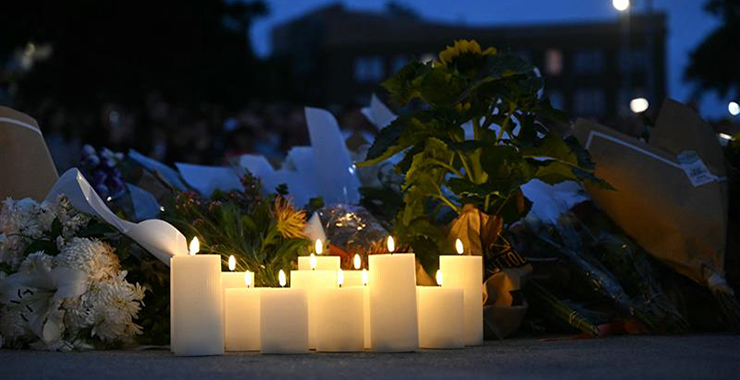
Talking about antisemitism should not be a one-time event. As children grow and experiences evolve, revisit the topic openly. Regular dialogue builds trust and resilience and lets your child know they can come back with questions anytime.
Watch for signs of distress
Changes in behavior, sleep patterns, appetite, or mood, or a dramatic negative change in the desire to go to school may signal that a child is struggling. In these cases, it can be helpful to reach out to teachers, pediatricians, faith leaders, and/or mental health professionals for additional support.
Building resilience in the face of identity-based hate
One of the most important ways parents and caregivers foster resilience in their children is to talk with them about what they are feeling and making meaning of their experiences. Through these conversations, they help young people develop a narrative or put language to their feelings and experiences.
It is also important for parents and caregivers to help young people develop a range of coping skills. Having multiple tools in their toolkit is especially important right now. This flexibility helps them manage stress, regulate intense emotions, and restore a sense of balance when things feel overwhelming. Parents and caregivers can help children of all ages reflect on what tools work best for them.
Planning ahead through role playing is another way adults can help young people prepare in advance for how they might want to manage particularly challenging situations. This helps them establish some agency over how they want to handle themselves in difficult situations.
“Engaging young people in problem solving empowers them and can help them feel more capable of managing future challenges,” Liberman said.
It is also important for Jewish children and teens to spend time in spaces where they can connect with their Jewish peers and build support networks. Engaging in Jewish life in ways that resonate with your family, whether religious, cultural, or communal, supports healthy identity development and a sense of belonging. This connection allows young people to explore positive and meaningful aspects of their Jewish identity, which is especially important in a time of increased antisemitism. Supportive spaces that allow for connection and conversation can help buffer these effects and promote well-being.
Talking with children about antisemitism can feel difficult, but avoiding the topic leaves children to make sense of incomplete or misleading information on their own, often “filling in the blanks” with ideas that may inadvertently perpetuate antisemitism. With honest explanations, emotional validation, and ongoing conversations, caregivers can help children understand what antisemitism is, why it is harmful, and how they can contribute to communities rooted in safety, dignity, and respect.
Families in need of more targeted support can consult a mental health professional, faith-based leaders, or organizations who regularly address antisemitism who can help tailor these conversations to their family’s needs.