Findings
In the 1970s, investigators discovered that more than 70% of air crashes involved human error rather than failures of equipment or weather. A NASA workshop examining the role of human error in air crashes found that the majority of crew errors consisted of failures in leadership, team coordination, and decision-making.
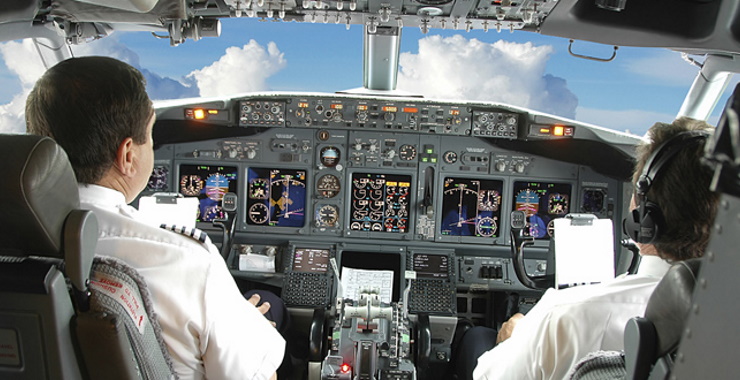
The aviation community responded by turning to psychologists such as John K. Lauber, PhD, and Robert Helmreich, PhD, to develop new kinds of psychological training for flight crews. That training focuses on group dynamics, leadership, interpersonal communications, and decision-making. The training is known as crew resource management (CRM). Lauber, a former member of the National Transportation Safety Board, defined CRM as “using all available sources—information, equipment, and people—to achieve safe and efficient flight operations.” More specifically, CRM is the process used by crew members to identify existing and potential threats and to develop, communicate, and implement plans and actions to avoid or mitigate perceived threats. Using CRM methods, airplane crews can avoid, manage, and mitigate human errors. And as secondary benefits, CRM programs improve morale and enhance efficiency of operations.
As part of the validation of the behavioral impact of CRM training, Helmreich (who is now deceased) and colleagues at the University of Texas Human Factors Research Project developed an observational process, the Line Operations Safety Audit (LOSA) to assess CRM practices. In LOSA, expert observers ride in the cockpit on scheduled flights under conditions of strict confidentiality and record not only CRM practices but also threats in the operational environment and how they are managed, as well as the nature and management of crew errors. LOSA data have provided valuable information about the threats that air crew members face, and how CRM practices help them deal with those threats.