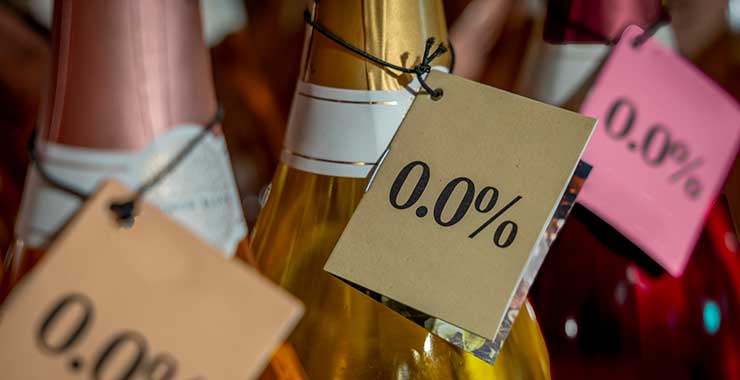
Drynuary. Sober October. Dry July. Cute nicknames for alcohol-free months have made it increasingly socially acceptable to take a break from alcohol.
People are stepping back from alcohol consumption, in part due to growing awareness of alcohol’s impact on physical and mental health. Mocktail sales are booming, while younger generations are drinking much less than their elders did at the same age.
“People are just generally looking at their relationship with drinking, thinking about it as part of their health and health behavior and less like, ‘This is just something I do,’” said Katie Witkiewitz, PhD, a clinical psychologist and the director of the Center on Alcohol, Substance Use, and Addictions at the University of New Mexico.
But for the newly “sober curious,” stepping into a dinner party, wedding reception, or work happy hour without the intention of drinking can still be wildly intimidating.
“A lot of us have never learned how to socialize as an adult without using alcohol,” said Amanda White, LPC, LMHC, director of the Therapy for Women Centeropens in new window in Philadelphia. “A lot of people will tell me they can’t do it. It’s not that they can’t do it. They’re just not experienced with it.”
Using a “dry month” event is one step toward making alcohol-free socialization more comfortable. Because these events are now so mainstream, they’re an easy way to negate any potential peer pressure around drinking. “The typical response to, ‘Oh, I’m doing Dry January,’ is ‘Oh, cool.’ And done, end of conversation,” Witkiewitz said. Outside of January, a casual explanation that you’re doing a dry month, or a health reset, is usually as easily accepted.