The 2025 APA Presidential Initiative Engaging Psychology’s Future opens in new window, developed by President-Elect Debra Kawahara, PhD, offers a wonderful opportunity for high school and community college students to learn how our field benefits society, addresses challenges, and improves lives in our communities. We are excited to share it with you and hope you decide to host an event.
The initiative’s purpose is to interest high school and community college students in psychology through impactful conversations with psychology professionals. Students can learn about how psychology addresses social issues that students care about (e.g., social media, stress, social inequity). Students can also engage with psychology professionals to learn about why they chose psychology, their academic experiences, and how their knowledge of psychology applies to their careers.
Connecting future leaders with psychology professionals
This initiative provides opportunities to connect students—our next generation of leaders—with psychology professionals to hear about their journeys into the profession and how they grappled with decisions that influenced their trajectory. Life does not follow a linear path, and this initiative will help students meet people who have traversed similar paths they may face in the future. It will introduce students to psychology professionals within their communities who are open to sharing their stories and encouraging students to pursue their goals.
This initiative also encourages partnerships among teachers of psychology at secondary schools, community college faculty, and other psychology professionals to hold an event at a high school or community college to “meet students where they are.”
How to host an event
Register for our kickoff webinar, Engaging Psychology’s Future, on Monday, January 13, at 7:00 p.m. (Eastern) to learn more. In January, we will launch a website that includes tips for finding event partners, a playbook to guide you in planning and executing an event, and resources to share with students.
Event hosts may be high school or college/university teachers or psychology professionals. To register an event, complete the registration form that includes: (a) location of event (high school or community college) and (b) names of 2–5 psychology professionals who will speak (i.e., psychologists, psychology professionals with master’s degrees, or graduate students), who are employed in diverse careers and settings.
Hosts who complete the registration form may be eligible for a $300 gift card to support the event (e.g., refreshments, copies of handouts).
We anticipate the experience will be transformative and we will seek feedback from students, event hosts, and speakers to gauge the effectiveness of the sessions through a program evaluation at the end of the event. We hope students will consider becoming part of the discipline of psychology as their major and careers. Help us spread this initiative across the U.S. by sharing your time and stories to demonstrate the breadth of careers associated with psychology. You are instrumental to increasing inclusiveness of historically underrepresented students and expanding representation among psychology professionals.
Let’s Engage Psychology’s Future, together!
We invite you to join us in an exciting and transformative year showcasing how psychology enriches society and enhances people’s lives. Your enthusiasm, expertise, and interest in our field will inspire students who are eager to learn more about psychology. Students will gain an appreciation for the breadth of career opportunities and the many ways that we can address the societal, emotional and behavioral challenges people face in their daily lives.
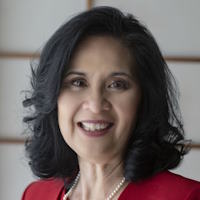 Debra M. Kawahara, PhD, is the 2025 president of APA and is the first Asian American woman to lead the association in its 132-year history. She is also associate dean of academic affairs and distinguished professor at the California School of Professional Psychology and executive director of the Illumination of Mindfulness Institute at Alliant International University. Known as a feminist and multicultural scholar, she has published and presented extensively on intersectionality, women’s issues; Asian American mental health; leadership; Buddhist psychotherapy; and the application of feminist, multicultural, and social justice principles in practice. One of her most valuable professional activities has been the mentoring of students and professionals.
 Jaye Van Kirk, MA, is a psychology professor at San Diego Mesa College. Her areas of expertise include psychobiology, careers in psychology, diversifying psychology, and conservation science/zoology. As past president of the Psi Beta National Honor Society, Jaye encourages community college students to reach their fullest potential through high impact extracurricular activities. She has served on several APA task forces and working groups (Transferable Skills: Skillful Psychology Student, National Conference on Undergraduate Education in Psychology: A Blueprint for the Future of Our Discipline, Summit on National Assessment of Psychology, and APA Presidential Initiative: Engaging Psychology’s Future). She is passionate about providing resources to inspire students and faculty to attain their goals.
 Kathryn B. Anderson, PhD, (she/her) is a feminist social psychologist at Our Lady of the Lake University (OLLU) in San Antonio, Texas, where she is the co-sponsor of the Psi Chi chapter. Kathryn served as the 2022–23 President of APA Division 35, the Society for the Psychology of Women, and strives to incorporate intersectional feminist understandings and values in her work and personal life. Her research focuses on factors that cause us to escalate (and de-escalate) in interpersonal interactions, and violence prevention and intervention. Kathryn has greatly enjoyed conducting research with first generation, predominantly Latine undergraduates in the OLLU McNair Scholar’s Program and witnessing their successful completion of psychology graduate programs. Kathryn is honored to serve as co-lead of Dr. Kawahara’s Engaging Psychology’s Future Presidential Initiative.