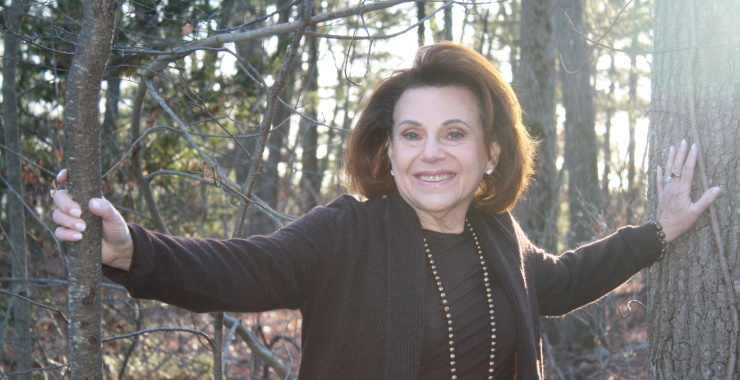
To healthy people in reasonably good relationships, holed up at home during the COVID-19 pandemic with a modicum of privacy and prosperity, Aline Zoldbrod, PhD, a Boston, Massachusetts, sex therapist, says, lucky you.
Zoldbrod, who is in private practice, is an enthusiastic advocate of sexual intimacy, which she notes is available to many people even with the present public health constraints.
“Sex is something you can do for free, and you don't have to leave your house,” she says. “Sex can make everything better. It can make you feel loved and safe.”
Zoldbrod's clients are individuals and couples ranging in age from 20 to 80, though they're mostly in the middle range. In terms of what her clients are experiencing during this extraordinary period, Zoldbrod says, “it’s all over the map.”
How well they’re doing depends on whom they’re with and how they feel about that person, she says. By no means does everyone have an optimal situation. For people who are alone, or who feel stuck in a relationship, there aren’t a lot of places to go—to a bar, or the gym, say—to find a new partner or even let off a little steam. On the other hand, people in relationships who like sex are having more of it, she says.
“What I think about these days is that society is focused on how much money you have and how successful you are, but this puts life in a new perspective. If you have someone to love you and hold you who is a reliable person, who is warm to you, that's more important than anything else,” Zoldbrod says.
Her sense, she says, is that people in long-term relationships that have lost their oomph have been reaching out to therapists like her in recent months to get help with re-establishing the sexual part of their lives.
Reclaiming sexual intimacy
One of Zoldbrod’s specializations is the sexless marriageopens in new window, a long-term pattern in which a couple might be loving and affectionate, yet nonsexual. This often happens after one partner criticizes or disappoints the other around sexuality, she says. Rather than talking about it, the injured party retreats. That pattern can be difficult to stop, she says.
Confined at home together, however, “some people have a little extra bandwidth right now, more time for exploration, and they're motivated to try to figure out what went wrong and address it,” Zoldbrod says.
Sex therapy can make a real difference reconnecting people with their sexuality, Zoldbrod says. The emergence of telehealth in the year of COVID-19 is a boon for them. “If you want to talk to a therapist now, you can find someone.”
Zoldbrod urges everyone who can to enjoy the sexual side of their lives. For example, parents of young children may be juggling some teaching duties and their own work these days. “Those people may want to have sex but it's harder,” Zoldbrod says. “They need to make some space, set up some candles, music, incense, whatever helps them get into a sexual frame of mind.”
Touch, which has been shownopens in new window in studies to be the most important sense in terms of sexual pleasure, has emerged as a critical human needopens in new window in 2020. Zoldbrod counsels those who find themselves without a companion during this period to hug (PDF, 2MB)opens in new window or massage themselves, use a weighted blanket or recall previous hugs. “Isolation is terrible, and I'm not even talking about people who are impoverished or watching their businesses crash, worried about survival.”
Touch is the key
Touch is central to sexual pleasure, especially for being able to enjoy sexuality in an intimate, long-term relationship, and is key in addressing women's difficulties with sex, she says.
“I am fascinated by touch. It's an aspect of sexuality, and especially women's sexuality, that we don't talk about enough,” Zoldbrod says.
The work of the biological anthropologist Helen Fisher, PhD, a senior research associate at the Kinsey Institute at Indiana University in Bloomington, has been a major influence on Zoldbrod. Fisher has studied human sexuality (PDF, 464KB)opens in new window, and has identified three phases of romantic love—lust, attraction and attachment. Early in a relationship, Fisher found, a heady cocktail of hormones makes lovers intensely responsive to touch. After that, different hormones take over, and women become hormonally less ready for sex on the spur of the moment.
In established relationships, touch is still a woman’s way into passion, Zoldbrod says; women need to feel cherished and loved before a sexual encounter, if it's going to be satisfying for them. They may need to ask for what they want, but that can be hard, Zoldbrod says. “It takes a lot of trust and self-esteem.”
And not everyone has had good experiences with touch; studiesopens in new window have shown that abuse and neglect are common. “It's all about what you learned in your family, whether you were touched nicely or touched at all,” she says.
Past experiences resonate
Zoldbrod has written or contributed to a number of books on sex, including “SexSmartopens in new window,” in which she explores the ways in which childhood experiences resonate into adult sexuality.
She uses “body maps”opens in new window, a tool she created, to help clients take stock of experiences that have made touch pleasant or unpleasant to various parts of their bodies. She has studiedopens in new window the profound effects of trauma on sexuality, and notes that about one in four women and one in six men have been subjected to sexual abuseopens in new window. But other trauma can affect sexuality as well. For example, an adult may have been slapped in the face as a child, or aggressively tickled under his arms, or may have observed others being hurt.
Zoldbrod lectures about sexuality, relationships and trauma, and she thinks her most important contribution to the field has been pointing up the harmful effects on sexuality of all kinds of trauma.
Zoldbrod grew up in Pittsburgh with “unbelievable parents, loving and affectionate, good about answering questions about sex in a way that made it safe.” When she was about nine, and her mother was in graduate school studying to become a social worker, Zoldbrod made up questionnaires and quizzed her acquaintances about how they felt about their families. Her mother kept them all, Zoldbrod discovered after her mother died.
She loves her job and recommends it to young psychologists, as long as they are warm people, like sex themselves and have a good sense of humor. “People are scared to explore their sexuality,” she says.