Reading emotions
Nonblack people have a hard time distinguishing genuine from fake smiles on black people’s faces, according to a study in the Journal of Personality and Social Psychology. In six experiments with 425 total participants (mainly undergraduates), researchers asked participants to rate the happiness levels of both black and nonblack people photographed with either “real” smiles (which involve movement of muscles at the corners of the eyes) or “fake” (mouth-only) smiles. On average, nonblack participants were less able to tell real from fake smiles in photos of black people than in photos of white people. Black participants, in contrast, were equally good at distinguishing real from fake smiles in photographs of both black and nonblack people. DOI: 10.1037/pspa0000139opens in new window

I’ll show them
Recently traded professional basketball players perform better when playing against their old teams on their former home courts, finds a study in Motivation Science. Researchers analyzed the playing records of 142 National Basketball Association players who were traded between 2012 and 2017. They looked at the players’ performances when playing against their previous teams, and compared those performances with the players’ performances at the games just before and just after those. On average, players performed better against their old teams than against other teams, but only when playing on their old home courts in front of their former fans, not on their new home courts. DOI: 10.1037/mot0000120opens in new window
Guilty plea
Youths who plead guilty to crimes in exchange for reduced sentences are less likely than adults to understand all the consequences of that decision, finds research in Law and Human Behavior. Researchers interviewed 64 young people (average age 15.9) and 56 adults (average age 38.5) who had pleaded guilty to a felony in New York City. Only 71 percent of the youths, compared with 94 percent of the adults, realized that pleading guilty would result in a criminal record. Eighty-four percent of the youths, compared with 97 percent of the adults, realized that pleading guilty entailed an admission of guilt. Youths also reported considering fewer potential outcomes of the guilty plea, such as effects on future employment or benefits eligibility. DOI: 10.1037/lhb0000314opens in new window
Quitting time
The brain’s response to different anti-smoking messages can help predict which messages will be most effective, suggests a study in the Journal of Neuroscience. Researchers used fMRI to examine the brain activity of 46 smokers in the United States as they looked at 40 anti-smoking messages (images and text). Then, participants rated how strongly each message made them think about quitting. The researchers found that the amount of activity in a neural pathway between the amygdala and the ventromedial prefrontal cortex while watching a message predicted the degree to which participants said that the message motivated them to quit. The researchers also emailed the messages to an online group of likely smokers and found that the same messages that smokers in the lab study reported made them want to quit were also more likely to prompt email recipients to click through to a Quit Line website for more information. DOI: 10.1523/JNEUROSCI.1651-18.2018opens in new window
Monitoring and adjusting therapy
Teenagers in treatment for depression fare better when therapists more quickly assess symptoms and adjust treatment as needed, finds a study in the Journal of the American Academy of Child and Adolescent Psychiatry. Researchers followed 40 U.S. teenagers with depressive disorder undergoing 12 sessions of interpersonal psychotherapy over 16 weeks. Participants were randomly assigned to be assessed at either week 4 or week 8. After the assessment, those whose symptoms were not responding to the treatment were assigned to receive either four additional therapy sessions or the antidepressant drug fluoxetine in addition to the standard therapy. On average, nonresponders who were identified after four weeks saw a greater reduction in symptoms at the end of the study than NBA players up their game when playing against their former teammates in front of their former fans, a study finds. DOI: 10.1016/j.jaac.2018.06.032opens in new window
Teen sleep linked to achievement
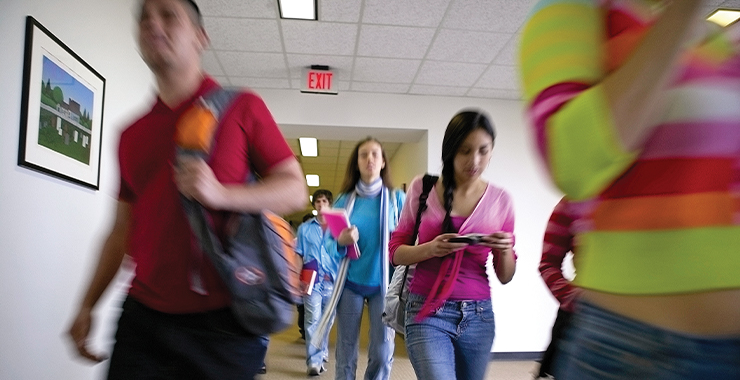
High school students do better in school when their school days start later in the morning, finds a study in Science Advances. In the fall of 2016, Seattle moved its high school start time from 7:50 a.m to 8:45 a.m. Before and after the change—in spring 2016 and spring 2017—researchers monitored the sleep, activity and grades of sophomore students in the school district (178 students total) for two weeks. The students monitored in 2017 slept 34 minutes more per night, on average, than those the researchers had monitored the year before. Student’s grades also improved by an average of 4.5 percent after the change to a later start time. DOI: 10.1126/sciadv.aau6200opens in new window
Mental illness, physical illness
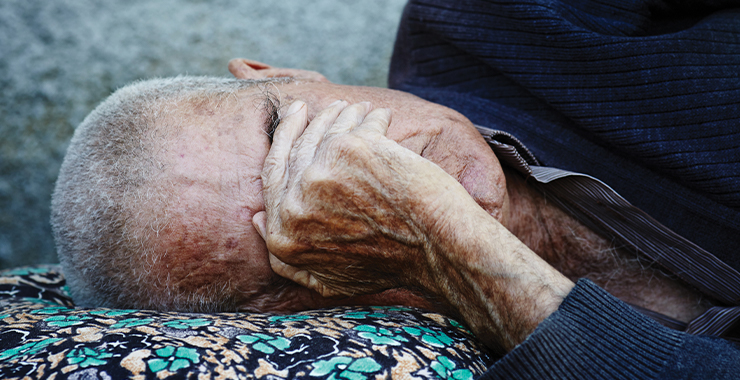
Anxiety and depression are associated with risk for physical illnesses at least as much as obesity and smoking are, finds a study in Health Psychology. Researchers analyzed data from more than 15,000 older adults (average age 68) in the U.S. Health and Retirement Study. Participants were surveyed twice over four years, answering questions about their levels of anxiety and depression, medical illnesses (such as heart disease, arthritis, diabetes and cancer) and physical symptoms (such as stomach problems, headache and back pain). Overall, more anxiety and depression symptoms predicted increased incidence of nearly all of the medical illnesses and physical symptoms among participants four years later, and the associations were as strong or stronger than those of obesity and smoking with medical illnesses and physical symptoms. DOI: 10.1037/hea0000707opens in new window

Air pollution and autism
A pregnant woman’s exposure to air pollution could slightly increase her child’s risk of developing autism spectrum disorder (ASD), suggests a study in JAMA Pediatrics. Researchers studied the medical records of more than 132,000 children born in Vancouver between 2004 and 2009. The researchers looked at whether the children were diagnosed with ASD by age 5, and compared those data with neighborhood-level air pollution data. They found that children whose mothers had been exposed to the highest levels of the pollutant nitric oxide when pregnant had a 1.07 percent chance of developing ASD, compared with a 1 percent chance of developing the disorder for the children of the least-exposed mothers—a statistically significant difference. Levels of other pollutants (particulate matter and nitrogen dioxide) did not show statistically significant correlations with the number of ASD diagnoses. DOI: 10.1001/jamapediatrics.2018.3101opens in new window
Alzheimer's disease and sleep
Patients in the early stages of Alzheimer’s disease may show disruptions in non-REM deep sleep, suggests a study in Science Translational Medicine. Researchers studied 119 U.S. older adults (average age 70) who were either cognitively typical or only slightly impaired. They used EEG to monitor participants’ brain activity during sleep over six nights, and used PET imaging and cerebrospinal fluid measures to determine the level of Alzheimer’s-related amyloid and tau proteins in the participants’ brains. On average, people with more of these proteins experienced shorter durations of non-REM sleep. The researchers suggest that sleep monitoring could provide an early biomarker for Alzheimer’s disease. DOI: 10.1126/scitranslmed.aau6550opens in new window

Cries, sighs, laughs and shrieks
Humans can recognize at least 24 distinct emotions from “vocal bursts”—brief, wordless vocalizations—finds a study in American Psychologist. In two experiments with more than 1,000 U.S. participants, researchers asked people to listen to recordings of vocal bursts—cries, grunts, screams, “oohs,” sighs and more—and characterize the emotions each burst expressed, using various rating, categorization and free-report methods. In one experiment, the vocal bursts were recorded in a lab by professional and amateur actors from around the world; in the other, the recordings were taken from real-life YouTube videos. By analyzing raters’ agreement on the meanings of the bursts, the researchers determined that the bursts could convey at least 24 different emotions—adoration, amusement, anger, awe, confusion, contempt, contentment, desire, disappointment, disgust, distress, ecstasy, elation, embarrassment, fear, interest, pain, realization, relief, sadness, negative surprise, positive surprise, sympathy and triumph. DOI: 10.1037/amp0000399opens in new window

Snap decisions
People consider far less information than they think they will before making judgments, suggests a study in PNAS. Researchers asked 207 online participants to view up to 40 paintings in a novel style of art. Before viewing the paintings, the researchers asked half the group how many paintings they thought they would need to see before they made up their minds about whether they liked the style. The other half of the participants were simply told to view as many paintings as they needed before making up their minds. On average, the “predictors” thought they would need to see 16.29 paintings before deciding; however, the “experiencers” viewed an average of just 3.48 paintings before giving a thumbs up or down. In six more experiments with about 1,800 more participants, the researchers showed that this discrepancy extended to judgments involving drink taste preferences, assessments of another person’s intelligence and character, and predictions of the winners of political elections. DOI: 10.1073/pnas.1805327115opens in new window
Moral values
People who value moral purity over caring for others are more likely to view gay and transgender people as less human and to express more prejudice and support for discriminatory public policies, finds a study in the Journal of Experimental Psychology: General. In one experiment, 284 participants who identified as politically moderate rated their agreement with five moral values (care, fairness, sanctity, loyalty and authority) and then read short descriptions of five different men: a gay man, a man with AIDS, an African-American man, an obese man and a white man. Participants who placed more value on sanctity—following rules of moral purity—held more negative attitudes toward the gay man and the man with AIDS than toward the obese man, the African-American man or the white man. They also believed that the gay man and the man with AIDS had less rational minds. In another experiment in the study, the researchers found that participants who endorsed sanctity were more likely to hold prejudiced attitudes about transgender people and to support discriminatory public policies toward transgender people. DOI: 10.1037/xge0000537opens in new window
Silver linings
Trying to “look on the bright side” of a bad situation can help reduce anxiety—but the strategy works better for people who make less money, finds a study in Emotion. Researchers analyzed data from a lab experiment with 112 people in the United States, as well as from a large U.S. longitudinal survey of more than 2,000 people. In the lab experiment, participants watched a short, upsetting film and were asked to use “cognitive reappraisal” strategies to reframe the situation or look at it from another perspective; they then reported their anxiety levels. The survey interviewed people in the mid-1990s and again nine years later. It asked how often they used reappraisal strategies and also screened for clinical anxiety. In both studies, people who made less money benefited more from cognitive reappraisal than did people with higher incomes. The researchers suggest that this may be because those with lower incomes have less control over their environment, in general, whereas people with higher incomes often have the resources to change their circumstances rather than just their thoughts. DOI: 10.1037/emo0000539opens in new window
More of us sleep less
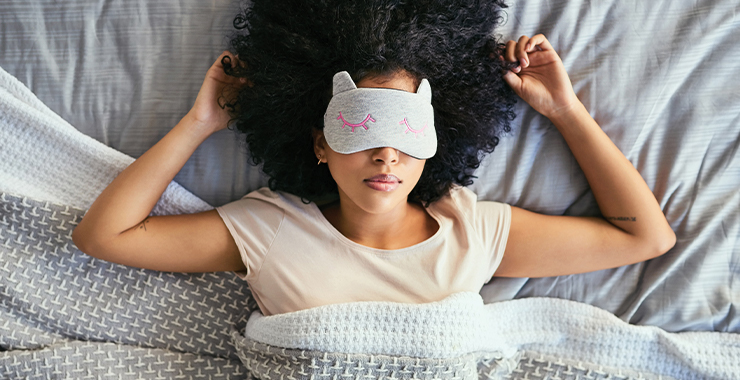
Americans are getting less sleep than they were 15 years ago, finds research in Sleep. Researchers analyzed data from nearly 400,000 respondents to the National Health Interview Survey between 2004 and 2017. Overall, 28.6 percent of respondents reported sleeping less than six hours per night in 2004; in 2017 that figure had increased to 32.9 percent. Sleep duration was relatively stable between 2004 and 2012; most of the change occurred between 2013 and 2017. The researchers also found differences among racial/ethnic groups: Over the entire study period, the proportion who reported sleeping less than six hours increased by 6.5 percentage points among black respondents, 7 points among Hispanic respondents and 2 points among white respondents. DOI: 10.1093/sleep/zsy221opens in new window

No rose-colored glasses
People generally have an accurate view of their own personality traits, suggests a meta-analysis in Psychological Science. Researchers analyzed 152 studies—with more than 33,000 total participants—that compared participants’ personality self-assessments with ratings from other people (friends, family, co-workers and others). Overall, the researchers found that people were not inclined to self-enhancement—their self-assessments generally agreed well with others’ ratings of them on all of the “Big Five” traits (openness to experience, conscientiousness, extraversion, agreeableness and neuroticism). The finding suggests that self-assessments are a reliable source of information to use in personality research, the researchers say. DOI: 10.1177/0956797618810000opens in new window

Survival of the smartest
Female parakeets prefer to mate with smarter males, finds a study in Science. Researchers placed eight female parakeets in cages, each with a pair of male parakeets, and observed which male the female spent more time with (the “preferred” male). Next, the researchers trained the nonpreferred males, but not the preferred ones, to solve a complex task to get access to food. The researchers then allowed the females to observe the nonpreferred males solving the food puzzle and the preferred males failing to solve it. When the groups of three parakeets were placed in cages together again, the females had switched allegiances—they spent significantly more time with the formerly nonpreferred males. To make sure it wasn’t simply the food access that made the difference, the researchers repeated the experiment but allowed the females to watch the nonpreferred males simply getting free access to food (rather than solving a puzzle to get it). In this case, the observation didn’t affect the females’ mate preferences. DOI: 10.1126/science.aau8181opens in new window
Violence begets violence
Teenagers are less likely to fight physically with one another in countries that ban spanking and other forms of corporal punishment, finds a study in BMJ Open. Researchers analyzed World Health Organization data from more than 400,000 teens in 88 countries. Of those, 30 countries banned corporal punishment entirely, at home and in schools; 38 (including the United States) banned it in schools but not in the home; and 20 had no ban on corporal punishment. On average, the countries with full bans had 31 percent less fighting among males and 58 percent less fighting among females than countries with no bans. Thirty-eight countries with partial bans (in schools but not in the home) experienced less fighting among females but not males. DOI: 10.1136/bmjopen-2018-021616opens in new window

See a show, visit a gallery
Older adults who regularly partake in cultural activities such as seeing films, plays and art exhibits are less likely to develop depression, finds a study in the British Journal of Psychiatry. Researchers analyzed data from more than 2,000 British older adults in a longitudinal study of aging. On average, people who attended such events at least once every few months had a 32 percent lower risk of developing depression, and those who did so once a month or more had a 48 percent lower risk, even after adjusting for factors including age, gender, health, income, education and exercise. DOI:10.1192/bjp.2018.267opens in new window
Blink and you miss it
People use eyeblinks as subtle conversational cues without realizing that they’re doing so, suggests a study in PLOS ONE. Researchers asked 35 Dutch participants to “converse” with a virtual reality avatar. While participants answered questions such as “How was your weekend?” the researchers controlled the avatar’s eyeblink durations, giving it either short blinks (208 milliseconds) or long blinks (607 milliseconds). The researchers found that participants tended to give briefer answers when the avatar had longer blinks even though the participants, when asked later, did not report consciously noticing any variation in the avatar’s blinking. DOI: 10.1371/journal.pone.0208030opens in new window
Vaping
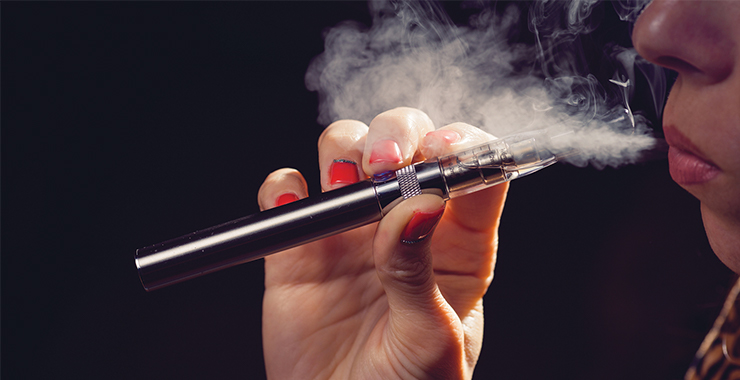
The incidence of vaping among U.S teenagers has nearly doubled in the past year to more than one in five high school seniors, finds research in the New England Journal of Medicine. The researchers analyzed data from more than 13,000 participants in the “Monitoring the Future” study. Among 12th graders, the proportion who had vaped at least once in the past month jumped from 11 percent in 2017 to 20.9 percent in 2018. Among 10th graders, the proportion grew from 8.2 percent to 16.1 percent; among 8th graders, it grew from 3.5 percent to 6.1 percent. The researchers say it is the largest one-year increase for teenagers using any substance in the 44 years that the study has been conducted. DOI: 10.1056/NEJMc1814130opens in new window