Good-for-you food
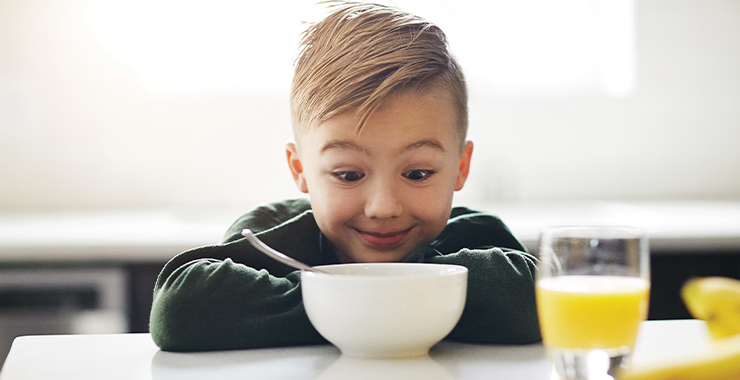
Children eat less of a food when it’s described as unhealthy, finds a study in the Journal of Experimental Psychology: General. In a series of six experiments with 225 U.S. children, researchers offered children ages 5 to 9 bowls of blueberry-pear fruit sauce but described them in three different ways: as healthy ("It has a lot of healthy ingredients; it will make your bones and muscles get strong"); unhealthy ("It does not have healthy ingredients; it won’t make your bones and muscles get strong"); or neutral ("It has a lot of ingredients; you can buy this food at the store"). When children were offered the healthy and unhealthy options, they ate more of the healthy bowl. When offered the neutral and unhealthy options, the children ate more of the neutral bowl. But when offered the healthy and neutral options, the children ate equal amounts of each, suggesting that their choices were driven by trying to avoid unhealthy foods rather than eat healthy ones. DOI: 10.1037/xge0000588opens in new window

A link between pay and LGBTQ discrimination
U.S. cities with greater gender pay equality also have more progressive laws against sexual orientation-based discrimination, finds a study in Psychology, Public Policy, and Law. The researchers analyzed data from the Human Rights Campaign that looked at anti-discrimination laws in 386 U.S. municipalities, and compared those data with U.S. Census Bureau data on the gender pay gap in those areas. Overall, they found that cities with a smaller gender pay gap had more progressive laws against sexual orientation discrimination. The finding held even after controlling for other potentially related variables, such as the cities’ religiosity and political climate. The researchers say the finding supports a legal theory that discrimination against lesbians and gay men is related to beliefs in traditional sex roles and to inequality between women and men. DOI: 10.1037/law0000189opens in new window
Ketamine for depression
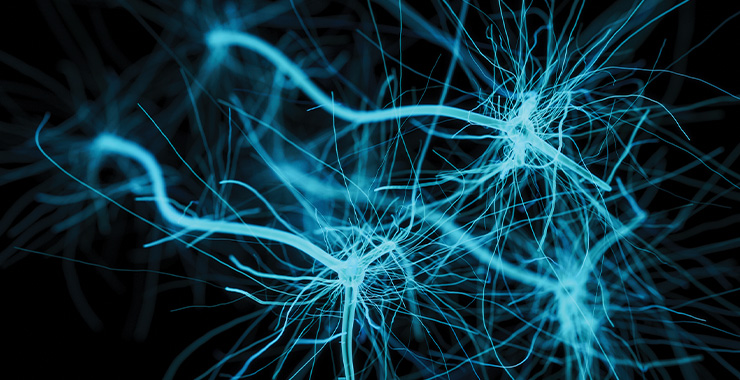
A study in Science provides insight into how ketamine—the drug newly approved by the Food and Drug Administration to treat depression—works in the brain. Researchers stressed mice by injecting them with a stress hormone or confining them in a small space. Then they administered a dose of ketamine to the mice, which lessened the mice’s stress behaviors. Imaging of the animals’ brains revealed new dendritic spine growth in the prefrontal cortex 12 hours after receiving the ketamine. But that new growth cannot be solely responsible for the drug’s effects, the researchers point out, because the mice’s behavior improved within three hours—faster than the dendritic spines appeared. However, the dendritic spines might contribute to ensuring the drug’s effects last: When the researchers destroyed the new dendritic spines two days after administering ketamine, the mice’s stress behaviors returned. DOI: 10.1126/science.aat8078opens in new window

The joy of an interconnected life
People who feel a greater sense of "oneness"—who believe that everything in the world is interconnected and interdependent—tend to have greater life satisfaction, finds a study in Psychology of Religion and Spirituality. Researchers analyzed data from two online surveys with more than 75,000 adult participants in Germany. They found that oneness beliefs could be distinguished from other constructs such as empathy, social connectedness and connectedness to nature; were stable across time; and were a better predictor of life satisfaction than religious affiliation. DOI: 10.1037/rel0000259opens in new window
Feline friends
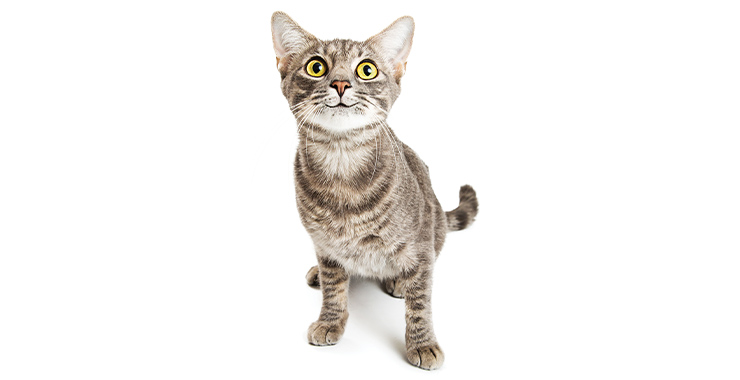
Does your cat know her name? Probably, according to a study in Scientific Reports. Researchers in Japan tested 78 cats, both house pets and cats that lived at a "cat café"—a coffee shop where people can interact with resident felines. The researchers videotaped the animals as they heard recordings of either their owner or a stranger saying a series of words. The first four were words similar in length and sound to the cat’s name; the fifth word was the name itself. Then the researchers analyzed the videos, coding for signs of feline reaction such as ear moving, tail moving and vocalizing. The researchers found that the cats reacted more strongly to their names than to the other words, whether the speaker was their owner or a stranger. In a follow-up experiment, the household pets who lived with other cats were able to discriminate their own names from the names of the household’s other pets, but the cat café cats were not able to do the same. DOI: 10.1038/s41598-019-40616-4opens in new window
An honest face
Children as young as 5 behave differently toward people because of character judgments they make based solely on the shape of a person’s face, finds a study in Developmental Psychology. Previous research has shown that adults and children as young as 3 judge others’ honesty, competence and dominance/submissiveness based on features like facial width and the distance between the eyes. In four experiments with nearly 350 U.S. children ages 3 to 13, the researchers first confirmed that finding: When looking at paired pictures of faces, children ages 3 and older made the stereotypically expected character judgments of the faces 88% of the time. In a follow-up experiment, when asked to choose a gift recipient, children ages 5 and older preferred to give the gift to the person who looked more trustworthy or submissive instead of the person who looked more dishonest or dominant. Children under 5 did not show a face-based gift-giving preference. DOI: 10.1037/dev0000734opens in new window
Eating healthy
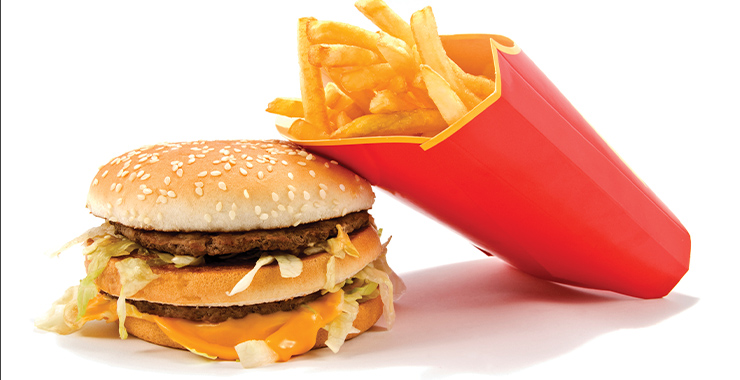
A brief intervention can reduce teenage boys’ consumption of junk food by framing junk food advertising as manipulative corporate marketing, finds research in Nature Human Behaviour. Researchers studied 362 eighth graders in Texas. Half of the boys and girls read an exposé-style article about how big food companies try to lure teenagers into buying unhealthy foods. The other half read traditional educational materials about the benefits of healthy eating. Immediately after the intervention, both the boys and the girls in the exposé group had more negative attitudes toward junk food than those in the control group, and this effect lasted for at least three months. Among boys, the intervention also influenced behavior: The boys in the exposé group purchased 31% fewer unhealthy foods and drinks in the school cafeteria over the next three months compared with boys in the control group. No effect on food purchases was observed among girls. DOI: 10.1038/s41562-019-0586-6opens in new window
Depression, schizophrenia and racial bias
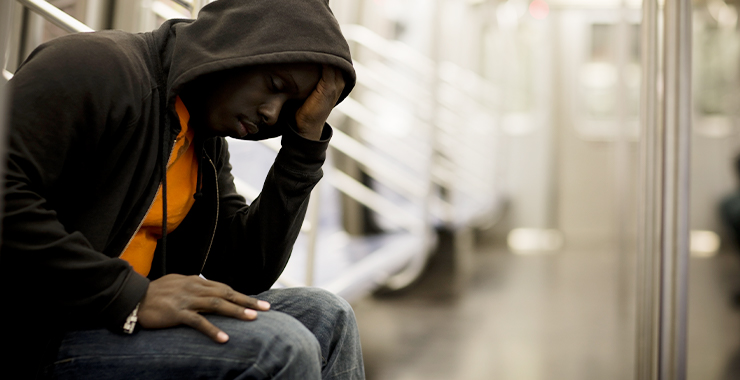
African Americans may be more likely to be misdiagnosed with schizophrenia, suggests research in Psychiatric Services. Researchers examined the medical records of 1,657 people—599 black and 1,058 non-Latino white—who had been diagnosed with schizophrenia at community behavioral health clinics in New Jersey. The researchers found that the black patients were significantly more likely than the white patients to have screened positive for symptoms of major depression. The researchers concluded that some of the black patients may have been misdiagnosed with schizophrenia because their clinicians did not rule out mood disorders first. By underemphasizing the importance of mood symptoms and overemphasizing psychotic symptoms in black patients, clinicians’ diagnoses may be inappropriate in some cases. DOI: 10.1176/appi.ps.201800223opens in new window
The smell of success
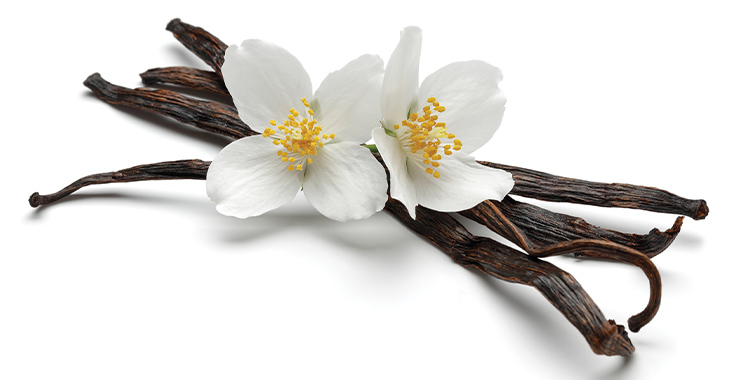
Sniffing a pleasant odor reduces smokers’ urge to light up—a finding that offers a potential treatment for people who are trying to quit, according to a study in the Journal of Abnormal Psychology. Researchers asked 232 smokers to bring their favorite brand of cigarette into a lab, light it, extinguish it without smoking it and then rate their urge to take a puff on a scale from one to 100. Immediately after, the smokers were asked to sniff one of several different types of scents: one of three tobacco scents, one of seven pleasant scents (apple, vanilla, lemon, chocolate, peppermint, lily of the valley or cumin) or a neutral scent. Participants were then asked again to rate their urge to smoke. On average, participants who smelled one of the pleasant scents showed a 19.3-point reduction in the urge to smoke compared with an 11.7-point reduction in those who smelled a tobacco scent and an 11.2-point reduction in those who smelled the neutral scent. DOI: 10.1037/abn0000431opens in new window
Workplace wellness
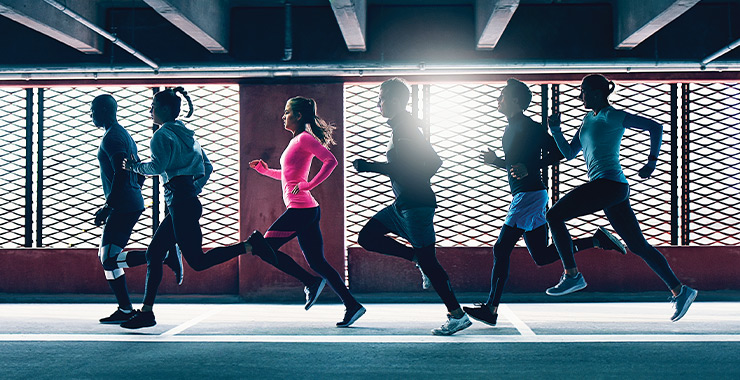
Workplace wellness programs may get employees to exercise more and manage their weight, but they don’t necessarily affect other health behaviors or health and wellness outcomes, finds a study in the Journal of the American Medical Association. Researchers analyzed employment records, administrative health records, surveys and other measures from 33,000 employees of a large retail company in the United States, comparing employees at 20 work sites that offered a workplace wellness program with those at 140 sites that did not. Overall, employees at the workplace wellness sites reported an 8.3% higher rate of regular exercise and a 13.6% higher rate of actively managing their weight after 18 months. But there were no significant effects on other health outcomes and behaviors (such as body mass index, cholesterol, blood pressure, sleep quality and food choices), medical and pharmaceutical spending measures, or employment outcomes (such as absenteeism and job performance). DOI: 10.1001/jama.2019.3307opens in new window
PTSD treatment response
Exposure therapy is one of the most commonly used evidence-based treatments for post-traumatic stress disorder (PTSD), but it doesn’t work for everyone. Now, a study in Science Translational Medicine suggests a brain-imaging biomarker could help distinguish people who are likely to respond well to the therapy from those who won’t. In two studies, the researchers used fMRI to scan the brains of 357 total participants, 204 of whom had PTSD. They found that patients who didn’t respond to exposure therapy had impaired functional connectivity in the brain’s ventral attention network. These patients also performed worse on a verbal memory word learning task. This finding could suggest new avenues to develop targeted treatments for PTSD, the researchers say. DOI: 10.1126/scitranslmed.aal3236opens in new window
Replication success
Previous research linking the Big Five personality traits to various life outcomes held up under scrutiny in a replication project published in Psychological Science. In the new study, researchers asked about 6,000 online participants to complete a 60-item personality measure and take a survey on topics including their careers, relationships, criminal behavior and other characteristics. Seventy-eight associations between personality traits and life outcomes reported in earlier literature were examined, such as the association between higher neuroticism and poorer mental health and between higher conscientiousness and risk of substance abuse. The researchers found that 87% of the previously reported personality-outcome associations replicated, though the effect sizes were smaller in most cases. DOI: 10.1177/0956797619831612opens in new window
Pregnancy and cognition
A woman’s history of pregnancy does not significantly affect her cognitive ability later in life, finds a study in Menopause. Researchers analyzed data from a longitudinal study of 1,025 women followed in the United States from 1988 to 2016. In all, 77% of the women in the study had been pregnant at least once, with a range from one to 14 pregnancies. The women took a battery of four cognitive tests up to seven times over the course of the study. Aside from a very small reduction in performance on a word recall test among those women who reported having been pregnant at least once, no evidence was found of an effect of pregnancies on cognitive ability. These results suggest that there is no clinically meaningful long-term influence of pregnancy history on age-related change in cognitive function, according to the researchers. DOI: 10.1097/GME.0000000000001318opens in new window
Adolescent drinking
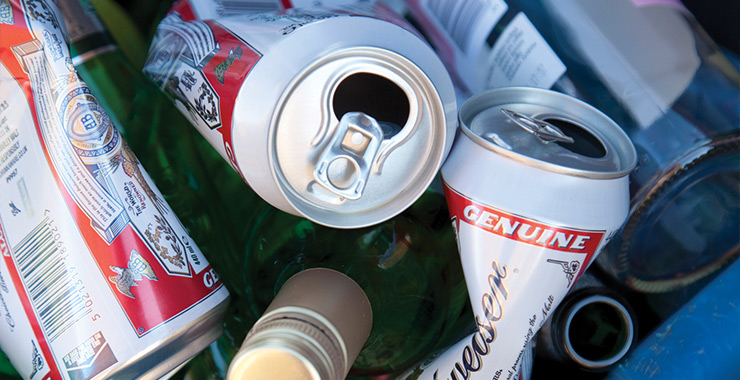
An animal study published in Biological Psychiatry suggests why teenagers who binge drink may be more susceptible to anxiety later in life. Researchers exposed rats to alcohol in a pattern designed to mimic human binge-drinking—two days on, two days off—for 14 days during the rats’ adolescence, and then let them mature to adulthood without further exposure to alcohol. As adults, those rats were more likely to show anxious behaviors than rats that had never been exposed to alcohol. The binge-drinking rats also had lower levels of Arc, a protein that regulates synaptic development, in the amygdala—a brain region involved in fear responses—as well as fewer neuronal connections in the amygdala. DOI: 10.1016/j.biopsych.2018.12.021opens in new window
Trigger warnings
Seeing an advance notice of potentially upsetting content does not reduce people’s distress over the content, finds a study in Clinical Psychological Science. In six experiments with nearly 1,400 college students in New Zealand and online participants, researchers showed participants a graphic video or had them read a graphic story. Half the participants were given an advance warning such as "Trigger Warning: The following video may contain graphic footage of a fatal car crash. You might find this content disturbing." Participants who received a trigger warning reported similar levels of distress to those who did not. This held both for participants who reported having previously experienced a traumatic event and for those who did not. DOI: 10.1177/2167702619827018opens in new window

Valuing diversity promotes health
Attending a school that values diversity is good for African American teenagers’ health, suggests a study in the Proceedings of the National Academy of Sciences. Researchers studied 270 eighth graders attending 120 different schools in the Chicago area. They found that students who attended schools that highlighted diversity in their mission statements showed lower levels of inflammatory biomarkers compared with students attending schools that didn’t mention diversity in their mission statements. The results held even after controlling for the students’ self-reported experiences of discrimination. The researchers suggest that students at schools that value diversity may feel more secure and thus experience less stress, which can lead to less inflammation. DOI: 10.1073/pnas.1812068116opens in new window
The effort of empathizing
People try to avoid feeling empathy for others because of the mental and emotional effort it takes, suggests a study in the Journal of Experimental Psychology: General. In 11 experiments with more than 1,200 total online participants, researchers asked participants to choose a card from two virtual decks of photos of people. For one deck, participants were asked to describe the physical characteristics of the person pictured; for the other deck, they were asked to feel empathy for the person. In some of the experiments, the pictures were of refugee children; in others they were of adult faces looking happy or angry. Across all experiments, participants chose from the "empathy" deck just 35% of the time. Afterward, most participants reported that empathy required more effort and that they felt less successful at it than they did at describing physical characteristics. DOI: 10.1037/xge0000595opens in new window
Team sports
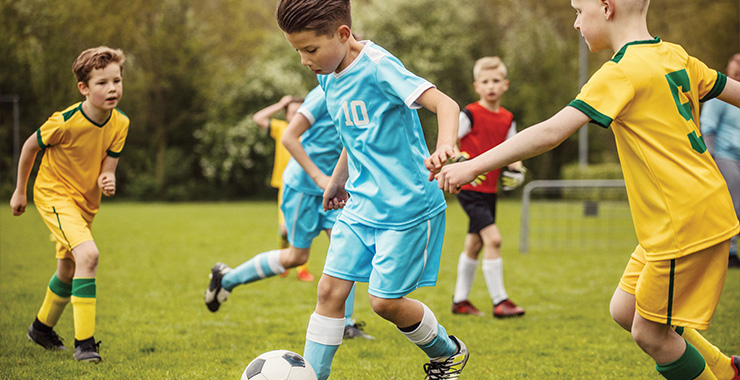
A study of preteen boys and girls in Biological Psychiatry: Cognitive Neuroscience and Neuroimaging examined the effects of playing team sports on brain structure and depression. Researchers looked at data from 4,191 children, ages 9 to 11, who are participants in the Adolescent Brain Cognitive Development Study. They found that, on average, children who participated in team sports had greater hippocampal volume—as measured by structural magnetic resonance imaging—than those who didn’t participate in team sports. Lower hippocampal volume has been associated with depression in adults. The researchers found no association between hippocampal volume and other extracurricular activities, such as music and art. Also, among boys—but not girls—those who played team sports had fewer depressive symptoms than those who didn’t, as reported on a parent questionnaire. DOI: 10.1016/j.bpsc.2019.01.011opens in new window

Saving for a rainy day
People are more likely to save money when they feel insecure about themselves and their futures, finds a study in the Journal of Personality and Social Psychology. In a series of six experiments with 2,410 total participants in the United States and Israel, researchers explored the relationship between self-image threats—ideas that threaten people’s positive views of themselves—and propensity to save. In one experiment, for example, participants played a Sudoku game and were told that they scored in the top, middle or bottom one-third of participants. Then they were asked how much they would save if they were given $1,250. On average, participants who were told that they earned a low score reported that they would save more money than those told they earned a high score. Another study indicated that such an effect was reduced when participants were also induced to think about possible future successes. DOI: 10.1037/pspa0000159opens in new window
For direct links to the research cited in this section, visit our digital edition at www.apa.org/monitor/digital .