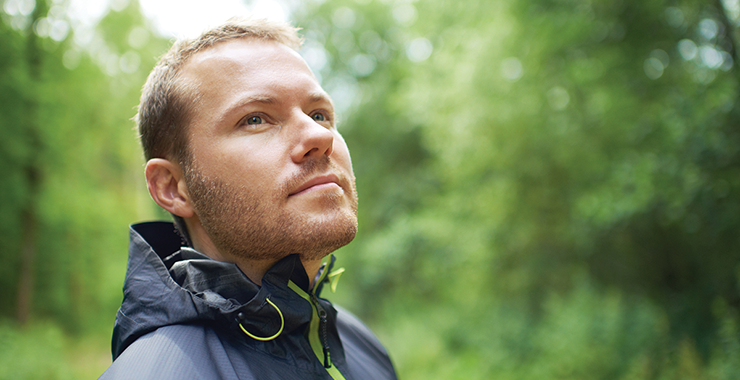
"Ecotherapy” is gaining traction as a means to help people tap into nature’s therapeutic powers. The term covers a range of interventions, not all of which are evidence-based. But some psychologists are working to ground such programs in science, says Ryan Reese, PhD, a psychotherapist in Bend, Oregon. He and his colleagues developed a construct called EcoWellness, defined as respect, appreciation and awe of nature resulting in feeling connected and experiencing wellness (International Journal for the Advancement of Counsellingopens in new window, Vol. 37, No. 2, 2015). The instrument measures nature-based wellness and makes it easier to incorporate nature in psychotherapy, he says.
In a pilot study, Reese is using that framework to inform a six-week outdoor therapy curriculum that combines fly-fishing and mindfulness instruction. But you don’t have to don waders to help clients connect with nature. Psychologists are increasingly interested in walking therapy, in which they take their clients outside for fresh air and exercise during therapy, says C. Vaile Wright, PhD, director of research and special projects in APA’s Practice Directorate.
While the technique is promising, Wright says, there’s not much research on it yet, and psychotherapists should consider challenges before they head outside—such as how to handle issues of confidentiality when out in public.
Other psychologists are touching on nature experiences in therapy. Thomas Doherty, PsyD, a clinical and environmental psychologist in Portland, Oregon, mostly sees patients in the office environment, but he folds nature into his work by encouraging patients to get outside and find ways to connect with the natural world. “For example, I’ll try to make sure that a young parent who loves mountain biking but hasn’t gone in two years starts to integrate outdoor activity back into their life,” he says. “There’s a common process where people lose connection with nature as they take on more adult responsibilities. As psychotherapists, it’s important to recognize the value of nature when we’re establishing therapeutic goals with our clients.”