COVID-19’s impact on children
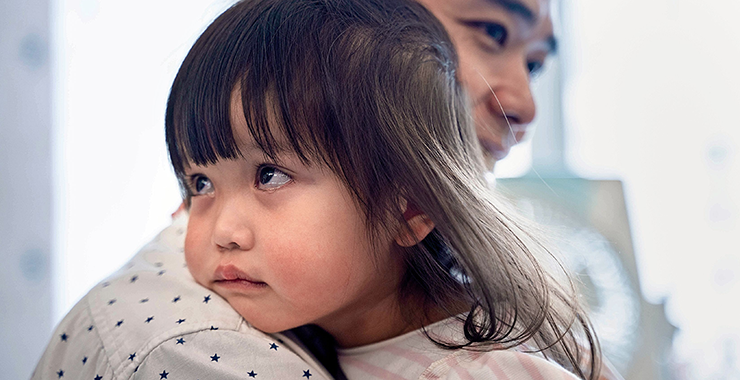
About one in five children in the Chinese cities of Wuhan and Huangshi showed signs of depression and anxiety while their schools were closed and they were restricted to home because of the COVID-19 pandemic, according to a study in JAMA Pediatrics. Researchers surveyed 1,784 students in grades two through six. Schools in both cities were closed in late January, and the students were surveyed about a month later. The researchers found that 23% of the students reported depressive symptoms and 19% reported anxiety symptoms. Students in Wuhan, the epicenter of the outbreak, were more likely to report depressive symptoms than those in Huangshi, about 60 miles away. Further studies are needed to determine whether the pandemic’s mental health effects on children are temporary or will persist long term, according to the researchers. DOI: 10.1001/jamapediatrics.2020.1619opens in new window
Fractured front line
Depression, anxiety and insomnia are common in the high-stress environments faced by health-care workers amid the COVID-19 pandemic, according to research in JAMA Network Open. Researchers surveyed 1,297 health-care workers from 34 hospitals in China about their mental health in late January 2020. Distress was widely reported (72%), followed by depression (50%), anxiety (45%) and insomnia (34%). Women, front-line health-care workers and health-care providers in Wuhan reported more severe mental health symptoms across all measurements compared with men, health-care workers not directly treating COVID-19 patients and those outside of Wuhan, respectively. These findings suggest that health-care workers exposed to the coronavirus should immediately receive interventions to promote their mental health, with particular attention to those groups at greatest risk. DOI: 10.1001/jamanetworkopen.2020.3976opens in new window
Stressed sperm
Stress-inducing events may lead to changes in a male’s sperm that could impact future offspring, according to a study in Nature Communications. Researchers examined extracellular vesicles—structures that deliver molecules between cells—in mouse tissue exposed to the stress hormone corticosterone. After stress treatment, the vesicles showed changes in overall size, protein content and small noncoding RNA content. When sperm were incubated with these “stressed” vesicles prior to egg fertilization, the resulting mouse pups showed significant changes in early brain development, and as adults they responded differently to stress than control animals. The researchers also asked 15 men, ages 19 to 25, to donate sperm each month for six months and complete questionnaires about their perceived stress. They found that men who had previously experienced elevated stress showed changes in their sperm’s small RNA content, in patterns similar to those observed in the mice. DOI: 10.1038/s41467-020-15305-wopens in new window
False hope
Internet searches for unproven COVID-19 remedies spiked after President Trump and other high-profile people touted them online and in the press, finds research in JAMA Internal Medicine. Researchers analyzed Google Trends data on internet searches for chloroquine and hydroxychloroquine from Feb. 1 to March 29, 2020, which includes the period before and after Trump and entrepreneur Elon Musk hailed the unproven drugs as potential cures. Searches for the drugs jumped 442% for chloroquine and 1,389% for hydroxychloroquine. Searches remained elevated even after news reports came out that the drugs could be poisonous and even fatal if not taken under a doctor’s supervision. DOI: 10.1001/jamainternmed.2020.1764opens in new window
Work out negative feelings
Among healthy but sedentary adults in their 20s, 30s and 40s, exercise can lower levels of depression and hostility, according to research in Health Psychology. Researchers asked 119 sedentary men and women in the United States, ages 20 to 45, about their current levels of depression, anxiety, hostility and anger. The researchers then randomly assigned half of the volunteers to begin exercising four times a week for three months—35 minutes at 75% maximum heart rate—and the other half to a control group. The group that exercised for three months saw scores on a depression scale fall by 35%, while scores for the control group remained unchanged. Hostility levels also decreased in the exercise group, but no changes were observed in anxiety and anger. The researchers also found that the mood benefits of working out can linger for weeks after people stop their exercise routines. DOI: 10.1037/hea0000836opens in new window
Structural inequities
Black, Native American and lower-income Americans are more likely to have risk factors that increase the chances of severe illness or death due to COVID-19, finds a paper in the American Journal of Preventive Medicine. Researchers analyzed 2018 data on about 330,000 people from the nationally representative Behavioral Risk Factor Surveillance System study. They found that among people under age 65, 33% of blacks and 42% of Native Americans had at least one risk factor, such as heart disease, diabetes or chronic lung disease, compared with 27% of white respondents under 65. Among those age 65 and older, 61% of blacks and 69% of Native Americans had at least one risk factor in addition to age, compared with 54% of white respondents. Lower-income respondents were also at higher risk: Among those younger than 65, they were almost twice as likely to have one or more risk factors compared with higher-income respondents. DOI: 10.1016/j.amepre.2020.04.003opens in new window
Isolation and inflammation
Social isolation and loneliness may be associated with inflammation in the body, suggests research in Neuroscience & Biobehavioral Reviews. Analyzing 30 previous studies, 16 centered on social isolation and 14 on loneliness, researchers found social isolation was associated with higher levels of the inflammation markers C-reactive protein and fibrinogen. Some analyses also indicated a link between loneliness and levels of Interleukin-6. The researchers note that the studies varied in design and quality and point to the need for further research to demonstrate these associations and their underlying mechanisms. DOI: 10.1016/j.neubiorev.2020.02.002opens in new window
Job insecurity changes personality
Experiencing chronic job insecurity can lead to changes in personality, suggests a study in the Journal of Applied Psychology. Researchers analyzed survey responses from 1,046 workers in Australia collected over nine years. Using the Big Five personality trait framework, they found that job insecurity that lasted four or five years was associated with a small increase in neuroticism and small decreases in agreeableness and conscientiousness, but they found no links with changes in extraversion or openness. The researchers suggest that job insecurity affects traits that reflect the ability to achieve goals and maintain stability but not traits that reflect plasticity and adaptiveness. DOI: 10.1037/apl0000488opens in new window
Distancing works
Physical distancing measures were effective in stopping the transmission of COVID-19 in Wuhan and Shanghai, China, finds a study in Science. Researchers surveyed 636 people in Wuhan and 557 people in Shanghai about their daily contacts—in-person conversations or physical contacts such as handshakes—before and after stringent physical distancing orders were put in place in late January 2020. The average number of daily contacts dropped from 14.6 to 2.0 in Wuhan and from 18.8 to 2.3 in Shanghai, and after distancing measures, the vast majority of contacts were among members of the same household. Using a mathematical model, the researchers concluded that the physical distancing measures were enough to curb the spread of the virus in those cities. According to the model, school closures alone reduced the peak incidence of infections by 40% to 60%. DOI: 10.1126/science.abb8001opens in new window
Higher suicide risk for nurses
Nurses in the United States are at higher risk of suicide than the general population, according to a study in Worldviews on Evidence-Based Nursing. Researchers analyzed Centers for Disease Control and Prevention data from 1,824 nurses and 152,495 non-nurses in the United States who completed suicide from 2005 to 2016. They found that suicide rates from 2005 to 2016 were higher in female nurses (10 per 100,000 person-years) than in the general female population (7 per 100,000 person-years). Similarly, suicide rates were higher in male nurses (33 per 100,000 person-years) than in the general male population (27 per 100,000 person-years) for the same time period. The researchers also found that nurses who completed suicide were more likely to have had job problems and a history of mental health problems than non-nurses who completed suicide. DOI: 10.1111/wvn.12419opens in new window