skip to main content
News

Taking mental health conversations to ice cream stores, barbershops, and more

Amid the ongoing mental health crisis, psychologists are bringing their expertise to schools, hair salons, restaurants, and other everyday spots

APA Style leaf logo Cite This Article in APA Style
Abramson, A. (2023, July 1). Taking mental health conversations to ice cream stores, barbershops, and more. Monitor on Psychology, 54(5). https://www.apa.org/monitor/2023/07/mental-health-in-communities

laptop showing advertisements for All the Feels

The field of psychology is more relevant than ever amid the ongoing mental health crisis—but not all who would benefit from psychology can easily access it. A shortage of psychologists, systemic inequities that make it difficult to see a clinician, and ongoing stigmas about mental health care are common barriers that continue to stand in the way of people’s well-being.

Rather than waiting for people to come to them, many psychologists are finding new ways to share their expertise by creating more in-roads to mental health awareness, from creating science-informed content that addresses common mental health concerns to training lay professionals to disseminate psychology-based best practices in various settings.

“As psychologists, we are trained to disseminate science through peer-reviewed journals and academic conferences,” said Ariana Hoet, PhD, executive clinical director of the On Our Sleeves Movement for Children’s Mental Healthopens in new window, a nonprofit organization that provides free expert-created educational resources to all U.S. communities to break stigmas, increase mental health literacy, and support children’s mental health. “Now more than ever, we need to find ways to share our knowledge with people outside of our own field.”

ADVERTISEMENT

Here are some of the practical ways psychologists are sharing their expertise with the public to support mental health and well-being in their communities and beyond.

Schools

Schools are a key way to help children in mental health crisis, yet a Pew Research Center pollopens in new window from August 2022 reported that only half of U.S. public schools offer mental health assessments, with even fewer offering treatment to students.

To address the need, psychologists are better equipping educators and school staff to support students in distress. The Mental Health Technology Transfer Center Network and the University of Maryland’s National Center for School Mental Health (NCSMH) have developed a free online course and resource library called Classroom WISE (Well-Being Information and Strategies for Educators)opens in new window that covers social-emotional learning, trauma, and mental health literacy (“Evidence-Based Components of Classroom WISE,” NCSMH, 2021).

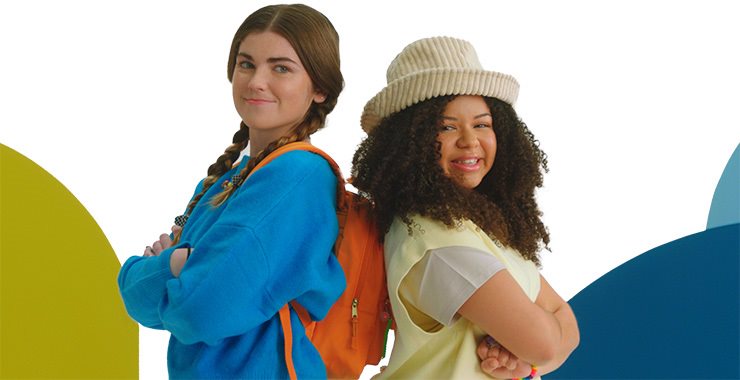
One initiative is working to infuse mental health content into an activity that’s already a favorite for students and teachers alike. In 2022, On Our Sleeves launched a mental health program with GoNoodle, a popular content creator and distribution platform that’s used in 96% of U.S. elementary schools. GoNoodle encourages kids to turn screen time into active time by taking “brain breaks” for their physical health during the school day (and at home), and the new partnership expands their mental health offerings. The All the Feels channel on GoNoodle explores common emotions like anxiety and anger, as well as evidence-based coping strategies. “It’s an easy way to enter the mental health world and build habits that benefit well-being and still feel attainable,” said Hoet. The most recent collaboration, The Mooderators, is a video series paired with a curriculum that launched in May 2022 with 6.7 million views, and a second season is in the works.

Barbershops and hair salons

Barbers and hair stylists have a unique opportunity to meaningfully connect with clients who might not otherwise access mental health resources. Psychologist Lawrence Chatters, PhD, is the president of Visionary Youth, a nonprofit that serves minority youth and families in Lincoln, Nebraska. The organization recently launched Mentoring in New Dimensions (MIND), a mobile barbershop that offers haircuts, mentoring, and counseling at a local community center.

Chatters developed the curriculum based on his psychology training and experience working with at-risk youth. Each session of the 10-week program includes a haircut by barbers trained as mentors in psychology principles such as active listening and trauma-informed care, and a group session with a mental health practitioner of color.

The transition from the haircut with their mentor to the group counseling session is seamless and happens in the same positive and intentional space, which helps the youth feel more comfortable receiving mental health support, an area that has been stigmatized in some marginalized communities. “In all my years as a clinician, I’ve never seen someone run into my therapy room. But these kids run to our space for positive interactions with people who understand what they’re going through and know how to respond,” said Chatters.

Clinical psychologist Afiya Mbilishaka, PhD, also saw a unique opportunity to spread psychology in hair salons in Black communities. After working as a professor and private practice clinician, she sought hairstylist training to better understand the effects of hair on mental health. She coupled her expertise when she founded PsychoHairapyopens in new window, a training program that educates stylists to recognize mental health concerns in clients, practice active listening, and share culturally relevant mental health resources.

While individual stylists can sign up for a PsychoHairapy course, some salons have recruited Mbilishaka to train their teams so that every stylist is certified. According to Mbilishaka, the transformative experience of getting one’s hair done lends itself well to opening up about problems and being receptive to resources. “Black women spend more time and money on their hair than other groups, so I wanted to use that weekly or biweekly activity to promote mental health in a way that increases buy-in,” she said.

Popular culture

In May 2021, APA launched an ongoing partnership with Sesame Street in Communitiesopens in new window, an online initiative that equips caregivers with resources to support their families’ well-being. The first collection of content is a series of articles and videosopens in new window focused on fostering family conversations about racism and its effects on mental health. The resources developed include expert-driven, evidence-based information about everything from navigating race-related conflicts to celebrating diversity, all framed in a way young kids and families can easily understand.

While APA has long supported both children’s mental health and racial justice, the Sesame Street platform offers a new way to reach more families with the latest psychological science. “The beauty of working with Sesame Street is that they are already a trusted brand among families and caregivers, so we can directly share psychology-informed content with a very big population while meeting strategic goals to support children’s mental health,” said Luana Bossolo, APA’s senior director for strategic public engagement and community outreach.

[Related: It’s never too early to teach kids about race and racial justice]

Along with creating culturally relevant, family-friendly content through the partnership, APA staff and member psychologists review content created by Sesame Street prior to publication. Each topic features psychologists from relevant backgrounds; for example, the racial injustice section involved experts with research and clinical experience in children’s racial trauma.

In May 2023, the collaboration rolled out a new series of content focused on children’s mental health in general, with articles and videos broken down into various topics.

[Related: Sesame Street Muppets Abby Cadabby, Elmo, and APA help parents and kids with emotions]

Restaurants

On Our Sleeves has also partnered with Jeni’s Splendid Ice Creams, a trendy, artisanal ice cream company with shops nationwide, to offer free educational resourcesopens in new window to families. As part of the partnership, On Our Sleeves created conversation-starter cards that are placed by the registers in Jeni’s shops to spark mental health conversations between kids and parents. Stores also hang posters with QR codes that link to mental health resources.

“We wanted to give adults tools to have healthy conversations with kids and to understand how to keep the conversation going once the child opens up, so they keep coming back to the adult,” said Hoet. While the cards are based on motivational interviewing, cognitive behavioral therapy, and dialectical behavioral therapy research, they use simple, engaging language.

“People think of psychologists as a resource for problem-solving, which is true, but we’re also behavioral and parenting experts, so we can help in the whole development process,” said Hoet. “The earlier we work on these healthy habits and relationships, the more protective factors we are creating for children.”

Resorts and hotels

Resorts and hotels around the world are beginning to incorporate mental health resources into their offerings to promote wellness for guests and staff. Miraval Resorts and Spas, for example, has partnered with the National Alliance on Mental Illness (NAMI), the nation’s largest grassroots mental health organization, to provide resources and support to those impacted by mental health conditions. At its Austin, Texas, location, Miraval hosted a wellness retreat for NAMI HelpLine staff focused on supporting NAMI employees’ mental well-being and preventing burnout. Miraval will also host additional guest-facing workshops and discussions led by NAMI thought leaders as part of a loyalty program for regularly returning guests at Miraval Austin, Miraval Arizona, and Miraval Berkshires.

Sensei Porcupine Creek, a hotel in Rancho Mirage, California, offers wellness packages for guests that include one-on-one sessions with guides who have PhDs in psychology and can coach on mindset and personal growth. Some hotels even offer therapy sessions. The Guild resort in San Diego offers guests the option to purchase a couple’s therapy session package with a licensed psychotherapist.

The pediatrician’s office

Primary-care settings are a vital component in identifying and addressing children’s mental health on the front line, but many pediatricians either aren’t specially trained in or don’t have time for diagnosing or treating mental health concerns.

In health systems where psychologists are in short supply, clinicians are finding new ways to connect with patients from a distance. Dustin Sarver, PhD, a child clinical psychologist at the University of Mississippi Medical Center, helped launch a pediatric mental health hotline called Child Access to Mental Health and Psychiatry (CHAMP) that children’s primary care providers can call for support in managing kids’ mental health.

Any pediatric primary-care provider in Mississippi can consult, at no charge, with psychologists and other mental health clinicians by phone before, during, or after appointments to discuss diagnosis, treatment, and referrals. “When it’s not possible to embed a psychologist in the medical team, the hotline allows us to be the clinician down the hall without being there physically,” said Sarver. Going forward, the hotline will expand to offer psychologist support in schools, and plans to start a perinatal mental health consultation line.

To ensure every child has the support they need, Geisinger Health System in Pennsylvania trains primary-care providers in pediatric settings to recognize and respond to mental health concerns. Many pediatrics clinics also have in-house psychologists who can immediately come to exam rooms or visit with families via telehealth, so a child can be triaged to an appropriate level of care—for example, a same-day evaluation by a mental health clinician, referral to an urgent appointment, or a transition to emergent care.

“Having our primary-care clinics address mental health is important because kids see their providers so regularly for well and sick visits,” said Elizabeth Seasock, MD, a psychiatrist at Geisinger Health System. “Even if a child is coming in for strep throat, they undergo screening or evaluation for mental health issues and can get the support they need.”

In neighborhoods

In communities where mental health clinicians are in short supply or people may be hesitant to seek mental health care because of cultural stigmas or financial barriers, psychologists are training lay people to offer support to their neighbors.

In Lexington, Kentucky, University of Kentucky researchers developed a program called Neighborhood Healersopens in new window, which trains community members to administer mental health first aid in predominantly Black neighborhoods. The goal is to reduce the equity gap in the region, where Black people represent about 15% of residents but only 7% of the population receiving community mental health services.

Funded by the Substance Abuse and Mental Health Services Administration, the project trains local Black leaders—church staff, barbers, educators, to name a few—to recognize mental health crises in their neighbors and connect them to the necessary resources.

Other organizations are also leveraging peer-level support. Families as Alliesopens in new window, a Mississippi-based nonprofit, serves families of children with behavioral health challenges. While the organization itself offers resources to families in need, it also recognizes not all parents will reach out. As part of its programming, Families as Allies trains parents of kids with behavioral needs to engage with and support other families facing the same struggles.

The organization also trains groups and organizations—including the same primary-care providers who call the Mississippi psychologist hotline—to understand how to support families facing kids’ behavioral health issues. “For a family whose child has been kicked out of school or is facing other significant behavioral health concerns, having a clinician who understands both behavioral health and a child’s and family’s rights is invaluable,” said psychologist Joy Hogge, PhD, executive director of Families as Allies.

The workplace

Active Mindsopens in new window, a U.S.-based nonprofit supporting mental health for students, approaches workplace mental health from another angle. In addition to driving the conversation about mental health for young adults and mobilizing youth leaders to create mental health-friendly communities, the organization broadens the idea of what a career in mental health can look like through a newly launched tool called Cause and Career.

The tool helps young adults find jobs, mentorship, networking opportunities, and other resources that nurture their passion for mental health, including a career “quiz” that matches individuals with their fields of interest. Cause and Career also has a job board with postings from organizations outside of the counseling and therapy spaces that will allow emerging and pivoting professionals of all academic backgrounds to work in the mental health field in appropriate roles.

“People who find us may be looking for help finding a job,” said Becky Fein, vice president of community initiatives at Active Minds. “But they end up encountering resources that help improve their mental health when they don’t know they need the support or don’t have the resources to find it.”

Recognizing the impact of mental health on both employee and company well-being, the U.K.-based firm The Circle Lineopens in new window offers psychoeducation and remote therapy services from licensed therapists to organizations that want to better support their colleagues and improve team dynamics. The Circle Line uses psychological research based on transactional analysis to help colleagues understand how mindset affects them so they can improve their work and home lives.

The founder, psychotherapist Philippa Richardson, sees The Circle Line’s work as a way to introduce organizations and their workers to psychological concepts and embed mental health services they might not know they need into their daily life. People who might not otherwise seek out psychotherapy can get it at work, and it is framed as a way to balance work stressors or improve teamwork, which helps reduce stigma or hesitancy toward therapy.

“Along with helping organizations meet their employees’ needs, we’re helping to destigmatize mental health by making it a part of normal life,” said Richardson.

Recommended Reading

Related

Speaking of Psychology

Subscribe to APA’s audio podcast series highlighting some of the most important and relevant psychological research being conducted today.

Subscribe to Speaking of Psychology and download via:

Appleopens in new window
Apple podcast logo

Spotifyopens in new window
Spotify logo

You may also like