Share away
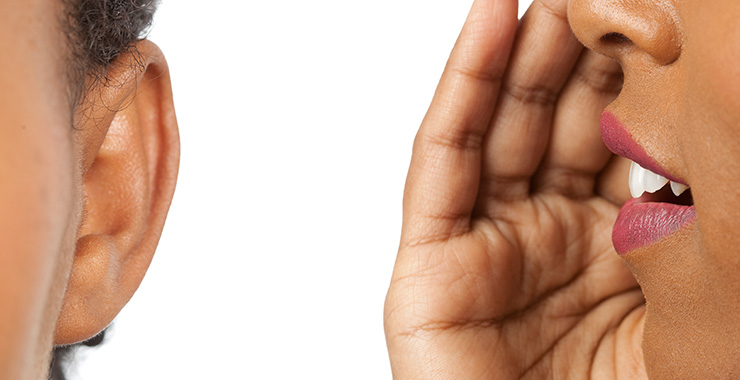
People often keep adverse information about themselves secret because they worry that others will judge them harshly, but those fears are overblown, according to research in the Journal of Personality and Social Psychology. Researchers recruited 508 online participants and split them into two groups—secret revealer and secret recipient. They asked the secret revealers to imagine revealing a damaging secret and to predict how another person would judge them. They then asked the revealers to actually tell the secret. The recipients’ responses showed that the expected judgment was consistently worse than the actual judgment. The results were similar whether the secret was divulged to a purported stranger, acquaintance, close friend, family member, or romantic partner. Participants still overestimated listeners’ adverse reactions even to darker secrets, like infidelity. The researchers found that participants were driven to reveal or conceal based on how they thought others would evaluate them. However, disclosure had the opposite effect. Recipients rated the revealers’ honesty and trustworthiness higher than the revealers expected.
DOI: 10.1037/pspi0000441opens in new window
Fallout of Santa myth reveal
Children generally learn the truth about Santa Claus between 7 and 8 years old. Most deal with it quite well, suggests research in Developmental Psychology, unless they found out at an older age, learned about it abruptly, or were informed by peers, older siblings, or media they watched or read. In the first of two studies, researchers asked 48 children ages 6 to 15 in the United States questions about how they discovered Santa was not real and how it made them feel. In the second study, 383 adults reflected on their childhood experiences when learning the truth about Santa. Participants in both studies began to lose their belief in Santa between 7 and 8 years old. Most learned Santa doesn’t exist from others, while some developed skepticism based on personal observations or logic. About a third of the children and half of the adults reported sadness and disappointment upon discovering the truth. Additionally, those who were the most adversely impacted tended to be older when they discovered the truth, more likely learned the truth abruptly, and more likely learned it from others. Experiences of negative emotions were generally short-lived, and most said they would perpetuate the tradition of Santa with their children or were doing so already.
DOI: 10.1037/dev0001662opens in new window
Pressure improves performance
Research in the Journal of Experimental Psychology: Human Perception and Performance suggests that during early motor learning, practicing a motor skill under mild psychological pressure maintains skill performance under higher levels of pressure. Researchers had participants in the United States practice 300 golf putts over 2 days under one of two conditions: no pressure or the mild psychological pressure of being told a professional golfer would evaluate them and they would be competing for a cash prize. On the third day, the researchers tested all participants’ putting prowess under no, mild, or high pressure. Participants also reported their mental effort, attention to their movements, and perceived challenge or threat after their final putting assessment. The researchers found that the group that practiced under mild pressure maintained their performance in the assessment across all three pressure levels, whereas those who practiced with no pressure performed worse as the pressure increased. The reasons for this benefit were unclear, but the researchers speculate the benefit may be connected to how the participants deployed their mental effort and attention to movement under pressure.
DOI: 10.1037/xhp0001188opens in new window
Ibogaine relieves TBI symptoms
According to a study in Nature Medicine, ibogaine, a psychoactive substance made from the bark of the shrub Tabernanthe iboga, may be useful in treating the psychological impacts of traumatic brain injury (TBI), including posttraumatic stress disorder (PTSD), depression, and anxiety. Researchers recruited 30 male U.S. Special Forces veterans with a history of mild TBI and repeated blast exposures. The participants, who were experiencing severe psychiatric symptoms and functional disabilities at the time of the study, traveled to a clinic in Mexico where they received oral ibogaine combined with magnesium to help prevent potential heart complications associated with ibogaine use. Posttreatment assessments indicated that the drug decreased TBI symptoms (e.g., PTSD, depression, and anxiety) by more than 80%, on average, 1 month after treatment. Moreover, neuropsychological tests revealed enhancements in cognitive functions, particularly in processing speed and executive functioning, without any negative impacts on other cognitive areas. Side effects were minimal.
DOI: 10.1038/s41591-023-02705-wopens in new window
Babies hear the beat
Newborn babies can perceive the beat in music, according to research in Cognition. Researchers presented 27 newborn babies in Hungary with two versions of a drum rhythm through headphones. The rhythm was a series of accented sounds (bass drum along with hi-hat cymbal) and unaccented sounds (just the hi-hat). In the first version, the timing was isochronous: The distance between the sounds was always the same. Isochronicity allows the listener to hear a pulse or beat in the rhythm. In the second version, the drumbeat was random. As a result, beat perception was not possible, but the sequence of sounds could be learned. This allowed the researchers to distinguish between beat perception and statistical learning. Because behavioral responses in newborn babies cannot be observed, the researchers measured brain waves with electroencephalography (EEG) while the babies slept. These responses showed that the babies heard the beat when the time interval between the beats was always the same. But the babies did not hear a beat when the researchers played the same pattern of accented and unaccented sounds at irregular intervals.
DOI: 10.1016/j.cognition.2023.105670opens in new window
Prolific misinformation
Research in Behavioral Sciences & the Law demonstrates the extent to which misinformation can spread through academic publications. Researchers identified around 400 articles, presentations, and other scholarly documents related to parental alienation theory published between 1994 and 2022. They subjected the material to specialized software that revealed the links between citing material and cited material. They found 94 examples of significant misinformation stemming from a single source published in 1994. All of the examples were variations of the statement “Parental alienation theory assumes that the favored parent has caused parental alienation in the child simply because the child refuses to have a relationship with the rejected parent, without identifying or proving alienating behaviors by the favored parent.” This description erroneously asserts that all children who refuse contact were indoctrinated by the favored parent to fear the rejected parent. Plausible explanations for this trail of misinformation are the psychological mindset of the authors (e.g., confirmation bias) and the authors’ writing skills (e.g., sloppy research practices such as persistent use of secondary sources). The researchers recommended that publications containing significant misinformation be corrected or retracted.
DOI: 10.1002/bsl.2605opens in new window
Predicting aggression in patients with autism
A study in JAMA Network Open demonstrated that a wearable biosensor paired with machine learning can predict aggression in psychiatric inpatient youths with autism 3 minutes before it happens. Researchers recruited 70 psychiatric inpatients in the United States with confirmed diagnoses of autism exhibiting self-injurious behavior, emotion dysregulation, or aggression. The patients, 32 of whom were minimally verbal and 30 of whom had an intellectual disability, were outfitted with wearable biosensors to track several peripheral physiological signals. The researchers then recorded 429 naturalistic observational coding sessions, totaling 497 hours, during which 6,665 aggressive behaviors were documented, including self-injury, emotion dysregulation, and aggression toward others (60%, 31%, and 9%, respectively). They found that 80% of observed behaviors could be predicted from the biosensor data up to 3 minutes before the incident.
DOI: 10.1001/jamanetworkopen.2023.48898opens in new window
Chatbot generates referrals
A study in Nature Medicine suggests that artificial intelligence-enabled chatbots can boost the number of referrals to mental health services. Using a multisite observational study of 129,400 adults in the United Kingdom who visited a National Health Service (NHS) website, researchers evaluated the impact of a personalized artificial intelligence-enabled self-referral chatbot on patient referral volume and diversity in ethnicity, gender, and sexual orientation. They found that for users of half of the 28 talking therapy services that the NHS offers—such as cognitive behavioral therapy for a number of conditions, group counseling, or eye movement desensitization and reprocessing—the chatbot generated more meaningful referrals (a 15% increase versus a 6% increase from control services). This increase was particularly pronounced in minorities, such as nonbinary (179% increase) and non-White individuals (29% increase). Natural language processing to analyze qualitative feedback from 42,332 individuals indicated that the chatbot’s nonhuman nature (perceived as nonjudgmental) and the patients’ self-realization of their need for treatment were potential drivers for the observed bump in referrals.
DOI: 10.1038/s41591-023-02766-xopens in new window
TMS boosts hypnotizability
A study in Nature Mental Health indicates that about 90 seconds of transcranial magnetic stimulation (TMS) can temporarily boost hypnotizability—thought to be a stable trait that changes little throughout adulthood, much like personality and IQ—in patients with chronic pain, making them better candidates for hypnotherapy. Researchers recruited 80 participants in the United States with fibromyalgia, a chronic pain condition that can be treated with hypnotherapy. Half of the participants received two 46-second applications of TMS to the left dorsolateral prefrontal cortex. The exact location depended on each person’s unique brain structure and activity, as measured with fMRI. The other participants received a sham treatment without electrical stimulation. The researchers assessed all participants’ hypnotizability immediately before and after the treatments. They found that participants who received the neurostimulation showed a significant increase in hypnotizability. That increase was not observed after a 1-hour follow-up.
DOI: 10.1038/s44220-023-00184-zopens in new window
Screen time disrupts sensory responses
Research in JAMA Pediatrics suggests that excessive exposure to digital media in the formative years might influence how children perceive and respond to their surroundings. Researchers measured the responses of 1,471 children in the United States to sensory experiences in their environment, categorizing their responses into four primary patterns: low registration (not noticing sensory stimuli), sensation seeking (actively seeking sensory stimuli), sensory sensitivity (being easily irritated by sensory stimuli), and sensation avoiding (actively avoiding sensory stimuli). The researchers then measured screen exposure (daily hours averaged over the previous month) using caregiver-reported data at 12, 18, and 24 months of age. They found that children who watched television or videos at 12 months had twice the risk of being in the high category for low registration compared with those who did not. As the children aged, greater screen time at 18 months was linked to more frequent low registration and sensation avoiding, a pattern where children actively try to limit sensory exposure. By 24 months, higher screen time was linked to more frequent sensation seeking, sensory sensitivity, and sensation avoiding behaviors.
DOI: 10.1001/jamapediatrics.2023.5923opens in new window
Narcissism’s silver lining
According to a study in the Journal of Research in Personality, states with higher average levels of narcissism experience lower rates of obesity and depression, higher demand for plastic surgery, and fewer heart failure and hypertension deaths. Researchers assessed subclinical levels of narcissism in 4,230 participants, ages 18 to 85 years, from 38 U.S. states. At the state level, more narcissism was associated with several positive health outcomes, including lower rates of obesity and depression, suggesting that the adaptive aspects of narcissism, such as a greater focus on self-image, spur a more proactive approach to health and fitness, contributing to better overall health. In terms of negative health outcomes, higher state-level narcissism was associated with fewer participants who slept at least 7 hours per night.
DOI: 10.1016/j.jrp.2024.104465opens in new window
Different moral standards for politics
The standards of morality people apply in political contexts may differ significantly from those governing their personal lives, suggests research in Political Psychology. Researchers recruited 2,472 participants online, at U.S. universities, or via a market research firm and assessed their moral behavior and tolerance. For moral behavior, participants were asked to indicate their likelihood of engaging in various transgressive acts against a despicable person or a politician, such as ridiculing their appearance or committing vandalism. Similarly, for moral tolerance, participants rated their willingness to befriend someone or support a political candidate who engaged in morally questionable behavior. When participants imagined themselves or others acting against political figures, they showed a higher propensity to endorse actions or tolerate behaviors that they would likely condemn in nonpolitical, personal scenarios. In addition, antipathy toward political outgroups significantly predicted a greater willingness to bend moral standards in the political realm.
DOI: 10.1111/pops.12954opens in new window
Brain power in cannabis users
Regular cannabis users may need more brain power to perform simple motor tasks, according to a study in Human Brain Mapping. Researchers used magnetoencephalography to compare the neural oscillations of 41 participants ages 20 to 59 years—18 regular cannabis users and 23 nonusers—while they performed a motor sequencing task. The two groups had no differences in reaction time, accuracy, or movement duration. However, cannabis users had stronger neural oscillations in the beta frequency band in the primary motor cortex and several other movement-related brain regions. These neural oscillations increased during the execution phase of the task but not during the planning phase, suggesting that cannabis users needed more neural activity than nonusers to perform the same task. The researchers speculated that the extra neural activity may represent a compensatory mechanism that allows cannabis users to overcome potential impairments caused by the drug.
DOI: 10.1002/hbm.26527opens in new window
Is it better to know or be known?
Feeling seen and recognized by others is more important to relationship satisfaction than knowing one’s partner, according to research in the Journal of Experimental Social Psychology. Across five studies with 1,516 participants in the United States, feeling known predicted relationship satisfaction more than believing that one knows the true nature of a family member, romantic partner, or friend. One exception was parents placing more value in how well they knew their children over how well their children knew them. Another study with 200 participants suggests an explanation for the findings from the first five studies: People value receiving support in their relationships. Finally, the researchers discovered that a desire to feel known may lead people to be too self-focused. When 100 participants wrote dating profiles to attract potential romantic partners, they more strongly expressed their desire to be known than to know their possible future partner. However, when 251 participants read these profiles, they reported being more attracted to those who expressed interest in knowing them. The findings reinforce timeworn dating advice: ask questions and listen.
DOI: 10.1016/j.jesp.2023.104559opens in new window
Suicide spikes in days after discharge
People hospitalized for depression are at extremely high risk for suicide in the first few days following discharge, according to a study in JAMA Psychiatry. Researchers examined 193,197 records for 91,161 patients hospitalized for depression in Finland from 1996 to 2017. They found a suicide incidence rate of 6,062 per 100,000 person-years in the first 3 days after discharge. Suicide incidence remained high but fell to 3,884 per 100,000 person-years in days 4 through 7 following discharge and continued to fall thereafter (up to 2 years follow-up). Several factors were associated with suicide incidence during the first days after discharge, including age, male sex, and clinical risk factors such as the severity of the depressive episode, high illness severity and impairment, and current suicide attempt. Each factor indicated a twofold to fivefold higher relative risk.
DOI: 10.1001/jamapsychiatry.2023.5512opens in new window