500%
Percentage increase in the number of climate-related disasters across the globe over the past 50 years, according to the World Meteorological Organizationopens in new window.


The more days that climate disasters go on, the greater the mental health distress teenagers experience
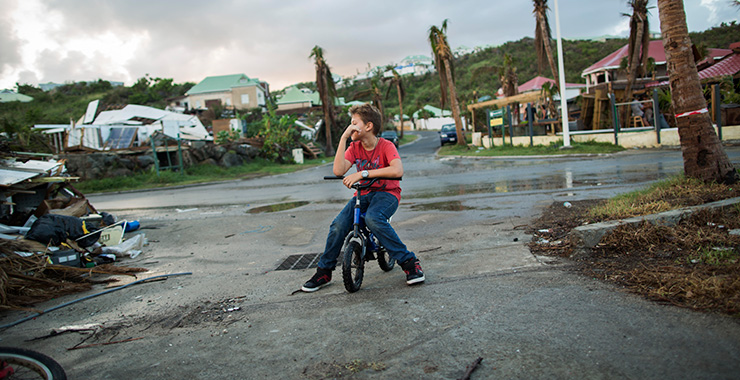
Percentage increase in the number of climate-related disasters across the globe over the past 50 years, according to the World Meteorological Organizationopens in new window.
Average number of days during 2017–2019 that U.S. teens in urban school districts were subject to federally declared climate-related disasters such as hurricanes, severe storms, or wildfires. A quarter of teens studied experienced at least 45 such days over that time, with students in Florida and Southern California affected more than students from other states.
Percentage of teenagers in urban school districts who reported symptoms of mental distress during 2017–2019, as measured by reports of sleep problems as well as feeling sad and hopeless.
Teens exposed to 45-plus days of these disasters are at a 15% greater risk of developing mental health problems than those exposed to fewer days. The strongest effects were seen 2 years after the disaster, with effects gradually weakening 5 to 10 years after the disaster.