
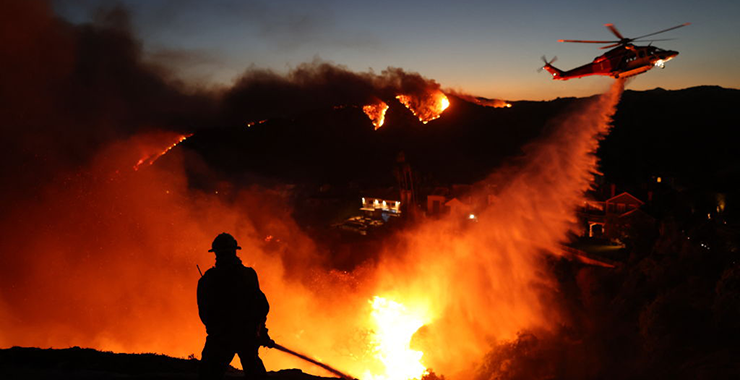
I am deeply saddened by the devastation caused by the recent wildfires in Los Angeles. The tragic loss of life, homes, businesses, and livelihoods is unimaginable, and our hearts go out to everyone affected by these fires. Our gratitude also goes out to the firefighters and first responders whose tireless efforts in fighting the fires and protecting lives and property have been nothing short of heroic.
This tragic event has highlighted the importance of collaboration between APA and state associations during such crises. In response to the wildfires, APA reached out to the California Psychological Association (CPA) to determine the best ways to support local efforts. Together with the Los Angeles and San Gabriel Valley psychological associations, we have been closely communicating with CPA to support their efforts in assessing and addressing the state’s psychological needs for those affected by the fires.
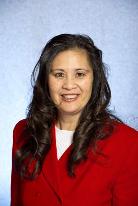
The wildfires underscore the critical need for psychology to be actively involved in the science and services in disaster psychology. This aligns with the mission of my Presidential Task Force on Disaster Preparedness, Response, and Recovery. We recognize that ongoing disasters, both natural and manmade, will continue to occur, and there is a pressing need to address prevention, response, and recovery strategies.
The goal of the task force is to leverage our psychological science and best practices to develop a comprehensive blueprint that communities can adapt to their unique circumstances. This blueprint will consider the diversity of individuals and groups within communities, their infrastructure and resources, and specific local issues. By doing so, we aim to assist communities in creating tailored solutions that effectively support the psychological needs of those impacted by disasters.
I am committed to ensuring that this presidential task force includes a diverse group of experts who can contribute valuable insights and resources. If you have resources or examples that could aid our efforts, I encourage you to submit them to the task force or me as we begin the information-gathering and needs assessment phase.
Together, we can make a significant impact in helping communities prepare for, respond to, and recover from disasters. Our collective efforts will not only provide immediate support to those in need but also build resilience for future challenges.