Ukrainians are fighting valiantly against the Russian army, but with war comes uncertainty. More than 3 million refugees have fled the country since the invasion began and each day brings new reports of violent attacks from the air, land, and sea.
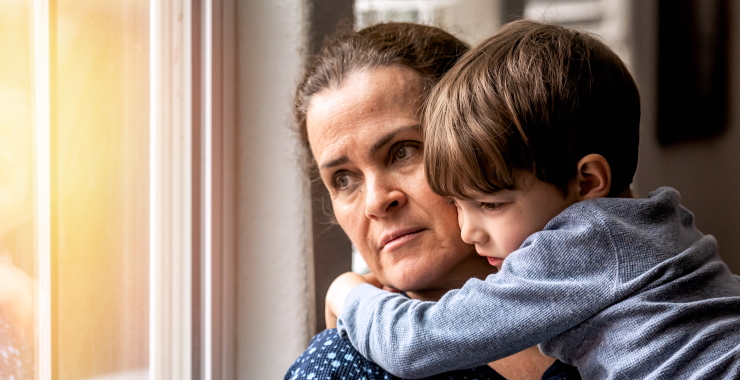
Just as many U.S. adults—even those without a personal connection to Ukraine—are feeling the stresses of war from afar, children and teens are also experiencing fear, frustration, and helplessness.
Parents should listen and make themselves available to talk, assure children that they are safe, and urge compassion toward those affected by the war, said Ann Masten, PhD, a psychologist and professor at the University of Minnesota’s Institute of Child Development. They should also let kids know that it’s okay to feel sad, worried, or scared.
“Worry about the war is not all bad—it means that a child has empathy,” said psychologist Mary Alvord, PhD, founder and president of Resilience Across Bordersopens in new window, a nonprofit focused on enhancing childhood resilience. “As long as it’s channeled into action and not bottled up, worry can even be productive.”
But with less life experience and independence than adults, young people need help navigating news about the crisis. Psychologists offer advice for helping kids manage their fears and concerns, from preschool through the teenage years.