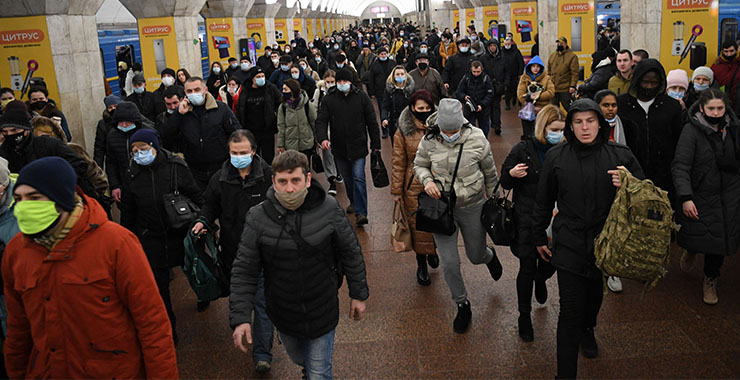
Since Russia invaded Ukraine on February 24, the media have been flooded with broadcasts and images of a country under siege. Stress and concern about the conflict is widespread, especially for those with loved ones in Ukraine. Warnings about potential cyberattacks and images of the conflict have put many on high alert, even those without a personal connection to the country.
“Feeling overwhelmed, anxious, sad—even though it’s uncomfortable—is to be expected in a situation like this,” said psychologist Dana Rose Garfin, PhD, of the University of California, Irvine, who studies collective trauma during crises. “It’s a very heartbreaking situation, and part of the experience of being human is feeling empathy for others.”
Ukraine is a Western democracy that borders our NATO allies, she said, so it’s normal to feel distressed about what’s going on and to closely follow the conflict. While staying informed is important, research shows that overexposure to media during a crisis is linked with worse mental and physical health down the line (Health Psychology, Vol. 39, No. 5, 2020).