American Psychological Association. (2021, March 11). Essential workers more likely to be diagnosed with a mental health disorder during pandemic. https://www.apa.org/news/press/releases/stress/2021/one-year-pandemic-stress-essential
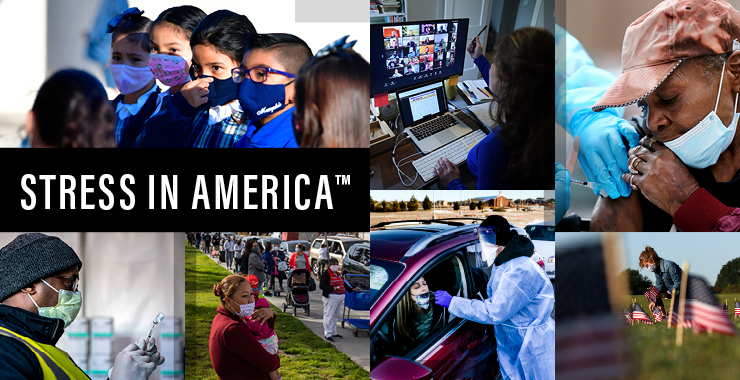
While some Americans packed up their office supplies and headed home in March 2020, many adults had to continue going into work, despite the health risks. Essential workers, such as health care professionals and law enforcement officers, have had to deal with a special set of stressors that included isolating themselves from their loved ones and witnessing first-hand the effects of the coronavirus. Prolonged exposure to these stressors is taking a serious toll.
More than half of essential workers (54%) said they relied on a lot of unhealthy habits to get through the pandemic. Nearly 3 in 10 (29%) said their mental health has worsened. When asked about emotional support, 3 in 4 essential workers (75%) said they could have used more than they received since the pandemic started. Essential workers were more than twice as likely as those who are not to have received treatment from a mental health professional (34% vs. 12%) and to have been diagnosed with a mental health disorder since the coronavirus pandemic started (25% vs. 9%).
When it comes to physical impacts of stress, nearly 3 in 4 essential workers (74%) reported unwanted changes in weight since the pandemic started, with 50% saying they gained more weight than they wanted to. Of this group, the average amount of weight gained was 38 pounds (median of 20 pounds). Additionally, 80% of essential workers reported sleeping more or less than they wanted to and 39% said they have been drinking more alcohol to cope with stress during the pandemic.
How employers can support essential workers
- Provide flexibility to employees, whether it’s what they work on, when they work or how they work (how they work is particularly important for employers of frontline workers). Every person has been affected by the pandemic; providing flexibility at work will allow people to do their jobs while handling new stressors and responsibilities, such as a child’s education.
- Provide support. This can be emotional support through one-on-one check-ins or reducing someone’s workload to just essential tasks. Employers also should emphasize that using sick leave applies whether someone isn’t feeling well physically or mentally.
- Ensure that employees’ needs are met — make sure they have access to personal protective equipment, transportation and other resources to do their jobs.
- Provide clear communication to employees and supervisors about expectations, support resources and new policies that respond directly to impacts created by the pandemic. This reduces uncertainty at work, which is a major contributor to employee stress.
- Supervisors should not expect work to continue at the same level as before. Creating this expectation can lead to employee burn-out. Instead, help employees prioritize what work is critical and what can wait.
- When vaccinations are available, allow employees to take a day off to get the vaccine and deal with any side effects post-vaccination.