Whenever there is a disaster of any magnitude, psychologists often are mobilized to help.
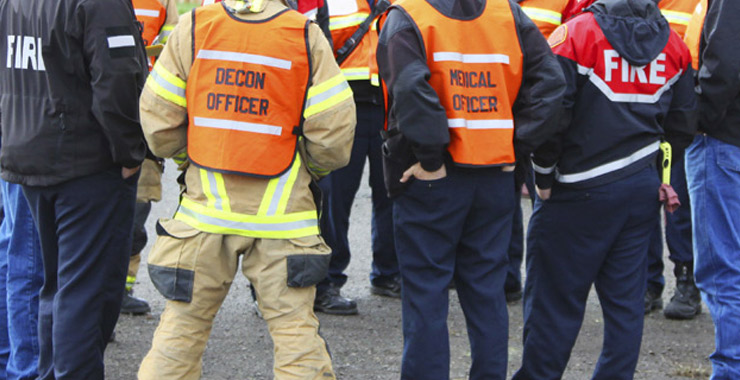
To an outside observer, it would be difficult to tell the psychologist apart from the other volunteers.
Psychologists may be providing a variety of important support services, such as directing people to food and shelter, but they also offer crucial emotional support after a disaster.
Because psychologists are uniquely trained in helping people cope with stress and strong emotions, they are able to help disaster survivors, volunteers, and disaster relief operation workers understand their emotions, such as anger, distress, and grief.
Although psychologists do not offer therapy at disaster sites, they can help people build upon their own internal strengths to begin the process of recovering from the disaster. Psychologists help those in disastrous circumstances to build their skills of resilience to move from feeling hopeless to having a more long-term, realistic perspective. This process can include taking small steps toward concrete goals and connecting with others as they learn to cope with a disaster’s logistical and emotional challenges.