Meritorious Research Service Commendation
Contributions are defined as work that directly or indirectly advances opportunities and resources for psychological science. Such work may involve policy development, program management, funding, training, dissemination, or other functions that make research possible or enhance its quality or impact.
Nominees may be current or former employees of government bodies (federal, state, or local) or nonprofit organizations within the U.S. Nominations of employees of nonprofit/private organizations are encouraged. Nominees may be active or retired but ordinarily will have a minimum of 10 years of service. They do not need to be psychologists themselves. The individual’s personal scholarly achievements (i.e., research, teaching, and writing) are not considered in the selection process if independent of their service contributions to the advancement of psychological science.
To submit a nomination, provide the following:
- a letter of nomination that describes and supports the individual’s contributions (e.g., nature of the individual’s service to psychological science, positions held, program development activities): The nomination letters should be no more than two pages long.
- curriculum vitae
- two letters of support from scientists, one letter from inside the nominee’s organization, and one letter from outside the nominee’s organization
Please email nominations to Suzanne Wandersman.
2024
 Rebecca Ferrer, PhD, National Cancer Institute
Ferrer is currently a program director in the National Cancer Institute Basic Biobehavioral and Psychological Sciences Branch. Ferrer is recognized for her outstanding contributions to psychological science through identifying research priorities, designing funding initiatives, and nurturing early career scientists at the National Cancer Institute. Ferrer has brought social psychology and decision science to the forefront of cancer prevention and control.
2023
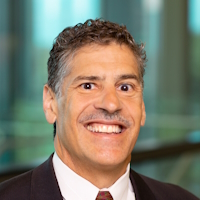 Frank Perna, PhD, National Cancer Institute
Perna is currently a program director and health sciences administrator in the Health Behaviors Research Branch in the Division of Cancer Control and Population Sciences. Perna is recognized for his contributions to the integration of psychological science with research in cancer prevention and control to improve public health. He has worked to apply psychological science to the areas of skin cancer prevention and exercise oncology and nurtured early career scientists by creating leadership opportunities at NCI.
2022
 Betty Tuller, PhD, National Science Foundation
Tuller is currently the director of the Program in Perception, Action, and Cognition at the National Science Foundation (NSF). Tuller is being recognized for her contributions to psychological science through identifying research priorities, designing funding initiatives, and nurturing early career scientists and scholars from diverse backgrounds at NSF.
2021
 Kara L. Hall, PhD, National Cancer Institute
Hall is currently the director of Science of Team Science (SciTS) in the Division of Cancer Control and Population Sciences at the National Cancer Institute. Hall is being recognized for outstanding contributions to psychological science in the advancement of interdisciplinary team science.
 Galia D. Siegel, PhD, National Institute of Mental Health
Siegel is currently the clinical trials program coordinator in the Office of Clinical Research at the National Institute of Mental Health. Siegel is being recognized for outstanding contributions to psychological science in the advancement of suicide prevention research.
2020
Nathan D. Ainspan, Department of Defense
Ainspan, is currently senior research psychologist in the Department of Defense’s Military-Civilian Transition Office in the Defense Personnel Family Support Center. He is recognized for his leadership in advancing psychological science through the development and implementation of transition programs and policies for veterans’ services at the Defense Department.
Kristen V. Huntley, National Institute on Drug Abuse
Huntley is health scientist administrator/scientific officer in the Center for the Clinical Trials Network at NIDA. She is recognized for her leadership in developing and expanding the Clinical Trials Network (CTN) grant portfolio and translating that research into patient care.
2019
No commendations were given.
2018
Tamara M. Haegerich, Centers for Disease Control and Prevention
Haegerich is currently associate director for Science in the Division of Unintentional Injury Prevention at the CDC. She is recognized for her dedication to the integration of psychological research into the field of public health with an emphasis on populations affected by violence, mental disorders and substance abuse. She has contributed to the development of the CDC Guidelines for Prescribing Opioids for Chronic Pain and to the development of national policies addressing youth violence and unintentional injury in children and youth.
Jane L. Pearson, National Institute of Mental Health
Pearson is associate director for Preventive Interventions in the Division of Services and Intervention Research at NIMH. She has developed and implemented a research agenda for suicide prevention research, including designing funding opportunities for conducting suicide research in emergency departments, the criminal justice system, universities and communities with underserved and rural populations.
2017
Bruce N. Cuthbert, National Institute of Mental Health (NIMH)
Cuthbert is currently the director of the research domain criteria (RDoC) unit at NIMH. He served in 2015-16 as acting director of NIHM. Cuthbert helped to design and implement NIMH's shift to translational research. He is also the chief architect of the reconceptualization of mental illness (RDoC) which suggests that mental disorders should be classified according to multiple levels of measurable behaviors and neurobiological and genomic mechanisms.
Gerald F. Goodwin, U.S. Army Research Institute for the Behavioral and Social Sciences
Goodwin is chief of the foundational science research unit of the U.S. Army Research Institute for the Behavioral and Social Sciences. He oversees the Army Research Institute's basic research program and is responsible for three research teams that focus on assessing command climate, enhancing unit resilience, and assessing and developing unit cohesion. Goodwin also was the chief editor and principal author of the Department of Defense's "Report of the Comprehensive Review of Issues Associated with the Repeal of 'Don't Ask Don't Tell'."
2016
Susan M. Czajkowski, National Cancer Institute
Susan Czajkowski is currently chief of the Health Behaviors Research Branch at NCI. Prior to joining NCI, she worked for almost 30 years in the Behavioral Medicine Research Group at NHLBI. She has been a leader in highlighting the importance of basic science in informing behavioral interventions. She has led efforts relevant to interventions designed to modify cardiovascular risk factors and to increase adherence to medical regimens.
Bradford W. Hesse, National Cancer Institute
Bradford Hesse is currently chief of the Health Communication and Informatics Research Branch at NCI. He has built a strong and influential health communications and informatics presence at NCI which has provided critical resources to behavioral science investigators around the country.
Wendy J. Nilsen, National Science Foundation
Wendy Nilsen is currently program director in Information and Intelligent Systems in the Computer and Information Science and Engineering Directorate at NSF. Prior to joining NSF, she served as health scientist administrator at the Office of Behavioral and Social Sciences Research at NIH. She has worked to advance health research particularly in the application of technologies to health.
Catherine M. Stoney, National Heart, Lung, and Blood Institute
Catherine Stoney is currently program director at NHLBI. She works to develop innovative programs integrating psychological science into medicine and health, creating funding opportunities, and mentoring faculty at all stages of their careers.
2015
Paige A. Green, National Cancer Institute
Paige Green is currently chief of the Basic Bio-behavioral and Psychological Sciences Branch of the Division of Cancer Control and Population Sciences at NCI. She works to promote communication between behavioral scientists and biologists in order to enhance recognition at the NCI and in the general public of the importance of a bio-behavioral perspective in understanding cancer biology.
Lisbeth Nielsen, National Institute on Aging
Lisbeth Nielsen is currently chief of the Individual Behavioral Processes Branch in the Division of Behavioral and Social Research at NIA. She works to encourage new research that connects behavioral, social and life sciences in addressing how environmental influences affect health outcomes and well-being through multiple pathways.
Eve Reider, National Institute on Drug Abuse
Eve Reider worked from 2000-2015 in the Prevention Research Branch at the National Institute on Drug Abuse. At NIDA, she worked to expand prevention research with vulnerable populations and research on the integration of drug abuse and HIV prevention for youth. Reider is currently a program director in the Clinical Research Branch at the National Center for Complementary and Integrative Health at NIH, where she works to expand prevention and health services research for military personnel, veterans and their families.
Marcia Scott, National Institute on Alcohol Abuse and Alcoholism
Marcia Scott is currently a health science administrator in the Division of Epidemiology and Prevention Research at NIAAA. She works to identify research priorities on fetal alcohol spectrum disorders, alcohol and aging, workplace prevention, and health disparities.
Joel Sherrill, National Institute of Mental Health
Joel Sherrill is currently chief of the Psychosocial Treatment Research Program and associate director for Trials Quality & Standards in the Division of Services and Intervention Research at NIMH. He works to advance psychological research by identifying research priorities within intervention and services research, balancing investigator-initiated projects with targeted initiatives directed at specific populations or key clinical practice questions.
2014
William M.P. Klein, National Cancer Institute
William Klein is associate director of the Behavioral Research Program in the Division of Cancer Control and Population Sciences at the National Cancer Institute (NCI). He is recognized for his outstanding contributions to psychological science through his service as a research program administrator at NCI.
LeShawndra N. Price, National Institute on Mental Health
LeShawndra Price is chief of the Research Scientist Development Program in the Office for Research on Disparities and Global Mental Health at the National Institute on Mental Health (NIMH). She is recognized for her outstanding contributions to psychological science through her service as a health science administrator at NIMH.
2013
Christine M. Hunter, National Institute of Diabetes and Digestive and Kidney Diseases
Christine Hunter is director of behavioral research at the National Institute of Diabetes and Digestive and Kidney Diseases (NIDDK). She is recognized for her outstanding contributions to psychological science through her service as a research program administrator at NIDDK.
Belinda E. Sims, National Institute on Drug Abuse
Belinda Sims is health scientist administrator at the Division of Epidemiology, Services and Prevention Research, Prevention Research Branch at the National Institute on Drug Abuse (NIDA). She is recognized for her outstanding contributions to psychological science through her service as a research and health science administrator at NIDA.
2012
Mariela C. Shirley, National Institute on Alcohol Abuse and Alcoholism
Mariela Shirley is health scientist administrator in the Division of Epidemiology and Prevention Research at the National Institute on Alcohol Abuse and Alcoholism (NIAAA). She is recognized for her outstanding contributions to psychological science through her service as a research and health science administrator at NIAAA.
Molly V. Wagster, National Institute on Aging
Molly Wagster is chief of the Behavioral and Systems Neuroscience Branch, Division of Neuroscience at the National Institute on Aging (NIA). She is recognized for her outstanding contributions to psychological science through her service as a research program administrator at NIA.
2011
Meyer D. Glantz, National Institute on Drug Abuse
Meyer Glantz is associate director for science of the Division of Epidemiology, Services, and Prevention Research at the National Institute on Drug Abuse (NIDA). He is recognized for his outstanding contributions to psychological science through his longstanding service as an administrator at NIDA.
Laura C. Leviton, Robert Wood Johnson Foundation
Laura Leviton is senior advisor for evaluation at the Robert Wood Johnson Foundation in Princeton, N.J. She is recognized for her outstanding contributions to psychological science through her work with the Robert Wood Johnson Foundation in applying psychological research to the evaluation of interventions that address important public health challenges.
Harold I. Perl, National Institute on Drug Abuse
Harold Perl is health scientist administrator and senior lead for Behavioral Research, Dissemination, and Training at the Center for the Clinical Trials Network at the National Institute on Drug Abuse (NIDA). He is recognized for his outstanding contributions to psychological science through his service as an administrator at NIDA and previously at the National Institute on Alcohol Abuse and Alcoholism.
2010
W. Rodney Hammond, Centers for Disease Control and Prevention
Hammond is director of the Division of Violence Prevention within the National Center for Injury Prevention and Control at the Centers for Disease Control and Prevention (CDC) in Atlanta. He is recognized for his outstanding contributions to psychological science through his longstanding service as a research and health programs administrator at the CDC.
C. Tracy Orleans, Robert Wood Johnson Foundation
Orleans is senior scientist for the Robert Wood Johnson Foundation. She is recognized for her outstanding contributions to psychological science through her work with the Robert Wood Johnson Foundation in advancing psychological research and its applications to health.
Nancy M. Ostrove, Food and Drug Administration
Ostrove is director of the Risk Communication Staff in the Office of Planning in the Food and Drug Administration's Office of the Commissioner. She is recognized for her outstanding contributions to psychological science through her advancement of effective health communication policies at the Food and Drug Administration.
Philip E. Rubin, Haskins Laboratory
Rubin is chief executive officer and a senior scientist at Haskins Laboratories in New Haven, Conn. Rubin is the chair of the National Academies Board on Behavioral, Cognitive, and Sensory Sciences, which focuses on the intersection of cognitive science and public policy. He is also the chair of the National Research Council (NRC) Committee on Field Evaluation of Behavioral and Cognitive Sciences-Based Methods and Tools for Intelligence and Counter-Intelligence, and a member of the NRC Committee on Developing Metrics for Department of Homeland Security Science and Technology Research. From 2000-03 Rubin served as the director of the Division of Behavioral and Cognitive Sciences at the National Science Foundation. He is recognized for his outstanding contributions to psychological science through his service as a leader in research management and policy development at the national level.
2009
Cheryl A. Boyce, National Institute on Drug Abuse
Boyce is chief of the Behavioral and Brain Development Branch and Associate Director for Child and Adolescent Research in the Division of Clinical Neuroscience and Behavioral Research at the National Institute on Drug Abuse, National Institutes of Health. She is recognized for her leadership role in developing research programs in early childhood mental health, trauma and health disparities; and for being a strong advocate for the advancement of new investigators, especially those from underrepresented groups. She has provided leadership, mentorship and guidance for psychologists at all points in their career development.
Vivian Ota Wang, National Human Genome Research Institute
Ota Wang is director of the Ethical, Legal and Social Implications Research Program at the National Human Genome Research Institute, at the National Institutes of Health (NIH). She is recognized for developing opportunities for psychological scientists to participate in cutting-edge interdisciplinary research and policy development activities in genomics, nanotechnology and ethics. She helped to create a new NIH extramural social and behavioral sciences research portfolio on complex diseases and traits and behavioral and community research, and she helped to expand the scope of support for gene-environment interaction research to include attention to psychosocial stress and social environments.
2008
Robert B. Huebner, National Institute on Alcohol Abuse and Alcoholism
Huebner is deputy director of the Division of Treatment and Recovery Research at the National Institute on Alcohol Abuse and Alcoholism (NIAAA), National Institutes of Health (NIH). He is being recognized for promoting and supporting important psychological research in the areas of addictions and problem drinking, treatment and recovery, and the mechanisms of change responsible for the modification of drinking behaviors. He has also been an outstanding advocate for the integration of psychology into the multidisciplinary research portfolios of health services, treatment and prevention research at NIAAA and NIH.
Jack D. Maser, University of California, San Diego; formerly National Institute of Mental Health
Maser is an adjunct professor in the Department of Psychiatry, School of Medicine, at the University of California, San Diego. He was employed at the National Institute of Mental Health (NIMH), National Institutes of Health, for almost 25 years prior to joining the faculty at UCSD. His last position at NIMH was chief of the Clinical Review Branch in the Division of Extramural Activities. He is being recognized for promoting and fostering the highest quality research in psychopathology, for creating conferences that brought diverse researchers together to share their interests and approaches, and for directing the field’s attention to issues in psychopathology that have increased our understanding of mental and behavioral disorders. He has also shaped the research of many young investigators by providing invaluable advice and guidance.
Robert S. Ruskin, Consortium Research Fellows Program
Ruskin is director of the Consortium Research Fellows Program of the Consortium of Universities of the Washington Metropolitan Area. He is being recognized for his leadership and management of the Consortium Research Fellows Program, contributing to its outstanding growth over the last 22 years, and for his commitment to the professional development of the students who are part of the program. He has forged a strong link between government psychological research institutes and graduate psychology programs through his vision, dedication, and executive skill.
2007
Lula A. Beatty, PhD | National Institute on Drug Abuse
Beatty is chief of the Special Populations Office, Office of the Director, at the National Institute of Drug Abuse (NIDA). She was recognized for her leadership in advancing drug abuse prevention research for underrepresented populations, especially ethnic/racial minorities and women and addressing the problems of health disparities. In addition, as the first and current director of NIDA’s Special Populations Office, she is being recognized for developing programs that have increased the number of ethnic/racial minority researchers supported by NIDA.
2006
Vivian B. Faden, National Institute on Alcohol Abuse and Alcoholism
Faden is deputy director in the Division of Epidemiology and Prevention Research at the National Institute on Alcohol Abuse and Alcoholism. She was recognized for her role in shaping the priorities of the federal alcohol research effort and her strong and articulate advocacy for the importance of social and behavioral research on alcohol abuse and related problems.
Fred Stollnitz, National Science Foundation
Stollnitz was program director for Cross-Directorate Activities at the National Science Foundation. He was recognized for an exceptional record of over 30 years of service as program director at the National Science Foundation. Stollnitz influenced the shape of research on animal behavior and nurtured research on the biological basis of behavior. He has been a tireless mentor to young scientists and an advocate for the expansion of training opportunities.
Betty Tai, National Institute on Drug Abuse
Tai is director of the Center for the Clinical Trials Network at the National Institute on Drug Abuse (NIDA). She was recognized for her leadership of the NIDA Clinical Trials Network and her instrumental role in defining future research issues and identifying new avenues for collaboration within the Network.
2005
Susan F. Chipman, Office of Naval Research
Chipman is scientific officer, program manager and program officer in the Cognitive Science Program at the Office of Naval Research. She was recognized for her commitment to fostering high quality behavioral science, mentoring of young scientists, and balancing basic and applied research at the Office of Naval Research.
Mary Ellen Oliveri, National Institute of Mental Health
Oliveri is deputy director of the Division of Pediatric Translational Research and Treatment Development at the National Institute of Mental Health (NIMH). She was recognized for her advocacy of basic behavioral science within the NIMH, developing new programs and initiatives, and serving as a crucial resource for scores of applicants and grantees at the NIMH.
Cora Lee Wetherington, National Institute on Drug Abuse
Wetherington is program officer in the Behavioral and Cognitive Sciences Research Branch in the Division of Basic Neuroscience and Behavioral Research and she is National Institute on Drug Abuse’s (NIDA) Women and Gender Research Coordinator. She was recognized for her leadership in the areas of research on women and gender and her contributions to bringing gender issues to the forefront of drug abuse research at NIDA and NIH.
Ellen Diane Witt, National Institute on Alcohol Abuse and Alcoholism
Witt is health scientist administrator in the Neurosciences and Behavioral Research Branch, in the Division of Basic Research at National Institute on Alcohol Abuse and Alcoholism (NIAAA). She was honored for fostering the development of a number of critical research areas in alcohol research and for her constant emphasis on the importance of both basic and applied research in psychological science at NIAAA.
2004
Ronald P. Abeles, Office of Behavioral and Social Science Research, National Institutes of Health
He was recognized for raising the standards of psychological science, increasing the skill levels of researchers, and introducing psychologists to cutting edge interdisciplinary research through his leadership roles at the National Institute on Aging, the Office of Behavioral and Social Sciences Research, and the Health and Behavior Coordinating Committee at NIH.
Israel I. Lederhendler, National Institute of Mental Health
Lederhendler is chief of the Basic Behavioral and Systems Neuroscience Research Program at the National Institute of Mental Health. He is also serving as interim director of the Electronic Research Administration at the National Institutes of Health. He was recognized for his advocacy of outstanding psychological research at the National Institute of Mental Health and for his dedication to the interests and needs of psychological researchers.
G. Reid Lyon, National Institute of Child Health and Human Development
He was recognized for his leadership of the Child Development and Behavior Branch of the National Institute of Child Health and Human Development and for enhancing the understanding and appreciation of psychological science to members of Congress, the president of the United States and the educational community. In addition, his direction of the program on reading and learning disabilities has had a major impact on the shaping of education research and public policy decisions.
Willo Pequegnat, National Institute of Mental Health
She was recognized for her leadership role in HIV prevention research initiatives sponsored by the National Institute of Mental Health and for her mentoring of young behavioral scientists entering the field of AIDS behavioral research.
Anita M. Sostek, National Institutes of Health
She was recognized for her leadership at the Center for Scientific Review for ensuring that reviews are fair, equitable and maintain the highest of scientific standards. In addition, she has served as an outstanding mentor and source of information to scientists in the field.
2003
Steven J. Breckler, National Science Foundation
He was honored for his role in improving the stature of psychology at the National Science Foundation, increasing resources and respect for the field, and facilitating the development of new directions within the field.
Edgar M. Johnson, Army Research Institute
Johnson recently retired from serving as the director of the U.S. Army Research Institute for the Behavioral and Social Sciences (ARI) and chief psychologist of the U.S. Army. He was recognized for his leadership within ARI and for developing the Consortium Research Fellows Program, which provides professional development and financial support to graduate students who are completing their degrees.
Peter G. Kaufmann, National Heart, Lung, and Blood Institute
He was recognized for increasing the visibility of health psychology and behavioral medicine research at the National Heart, Lung, and Blood Institute, in particular, and at NIH, in general.
Lisa S. Onken, National Institute of Drug Abuse
She was recognized for developing National Institute of Drug Abuse's behavioral therapies development research program and for her efforts in bridging basic and clinical research findings.
Delores Parron, National Institutes of Health
Parron is scientific advisor for capacity development in the Office of the Director of the National Institutes of Health. Some of her previous positions included associate director for special populations at the National Institute of Mental Health and associate director of the Division of Mental Health and Behavioral Medicine at the Institute of Medicine. She was cited for her knowledge, research strategies and career-long dedication to the development of new projects addressing ethnic minority groups. Parron's contributions to providing funding opportunities to ethnic minority researchers had a major impact on the discipline.
2002
Rodney Cocking (awarded posthumously), National Science Foundation
Cocking served psychological science in many capacities across the federal government, most recently as program officer for the Learning and Developmental Sciences program at the National Science Foundation. In every venue he was instrumental in the inception of initiatives that had a foundational impact on the field — he co-edited and founded a journal devoted to developmental psychology; was the initial staff director of important policy bodies at the National Academy of Sciences (Board on Behavioral, Cognitive and Sensory Sciences; and the Basic Behavioral Sciences Program on Cognition and Learning), and served to foster new developments in learning sciences, cognitive science, children and media, and cross-cultural work.
Robert Croyle, National Cancer Institute
Croyle is associate director, Behavioral Research Program in the National Cancer Institute. He was cited for being a strong spokesperson for behavioral research within NIH, strong supporter of interdisciplinary collaboration, and an advocate of both basic and applied research. He was also commended for expanding the institute by bringing in colleagues with strong scientific credentials, initiating collaborations across NIH and other agencies, and supporting and fostering a behavioral research perspective. He was also cited for his championing the development of "cutting edge intervention research to influence complex health behaviors such as smoking, nutrition and exercise.." and "..innovative study of risk communication, health decision making, consumer health informatics, sociocultural research; policy analysis; neuroscience; psychometrics; behavioral genetics…" His own research is on cancer prevention and control and health threat appraisal.
Sarah Friedman, National Institutes of Child Health & Human Development
Friedman has shepherded a groundbreaking longitudinal study at the National Institutes of Child Health & Human Development (NICHD) — the Study of Early Child Care and Youth Development — since its inception. This 10-site, multi-measure, multi-investigator study has been going on for about 12 years, and involves 1,200 children studied from just after birth. She also has served as grants administrator, Health Scientist Administrator, Director Program on Cognitive Social and Affective Development, and Special Assistant to the Director at NICHD. In addition to her scholarly and administrative work, Friedman works actively to disseminate the results of her study for their scientific merit and as an example of the issues involved in encouraging multidisciplinary collaborative studies.
David Shurtleff, National Institute of Drug Abuse
He was cited for being instrumental in initiating and promoting the research area focusing on treatment strategies for drug abuse; and for outstanding administrative abilities within the National Institute of Drug Abuse and increasing support for behavioral researchers.
Joseph Young, National Science Foundation
Young was cited for longstanding service to research and researchers in cognition, and for a strong role for supporting and being a steward for cognitive science and cognitive research funding within the National Science Foundation and Office of Naval Research. Young worked at the National Science Foundation for close to 30 years and, as one reviewer said, was the "face" of cognitive psychology for most of that time.