In the Driver’s Seat
Car crashes — the No. 1 killer of teens — take thousands of young lives every year in the U.S. If there is good news to be found, it is that such crashes are preventable, and the science of psychology can help to save lives behind the wheel.
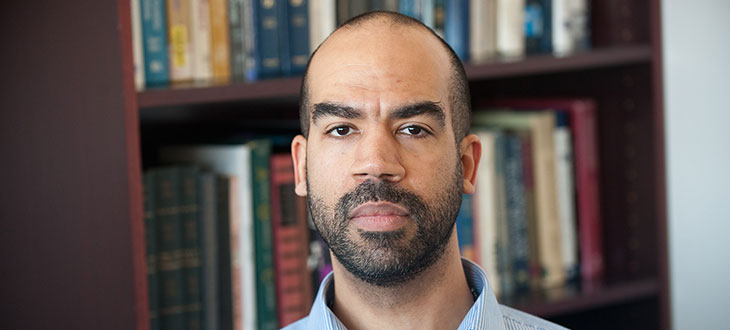
Take the work of human factors psychologist Emanuel Robinson, PhD, a senior research scientist in the Transportation and Safety Research Group at Westat in Rockville, Md. He takes problems that need creative solutions and examines how to achieve a better outcome. Over time, he sees how the solution plays out in the real world.
“I want to understand how people think in complex situations and what strategies they utilize,” says Robinson.
Robinson thinks about “impact” differently than most of us. He conducts research into the effectiveness of public health interventions such as Graduated Driver Licensing (GDL) programsopens in new window that are designed to prevent teen motor vehicle crashes and save lives. Although specific restrictions vary from state to state, GDL programs grant privileges to new drivers in stages — from the learner’s permit, to the intermediate stage, to full, unrestricted licensure — in an effort to build driving skills under increasingly challenging conditions.
And you’ve probably seen the new car technologies on TV that allow drivers — whether distracted, in dangerous conditions or simply a poor parallel parker — to improve their ability to operate the car safely. At Westat, Robinson works with a team to develop standard methodologies for evaluating and comparing the effectiveness of warning interface designopens in new window — i.e., in-car systems that alert drivers to road hazards — which include conducting empirical research, performing analyses and working with stakeholders to develop an extensive set of detailed test protocols known as Crash Warning Interface Metrics (CWIM).
For Robinson, it’s heartening to know that GDL programs and crash warning technologies are doing exactly what they were designed to do: reducing crashesopens in new window and keeping teens safer on the road. “There is satisfaction in doing work that can directly save and improve lives,” he adds.
Car crashes — the No. 1 killer of teens — take thousands of young lives every year in the U.S. If there is good news to be found, it is that such crashes are preventable, and the science of psychology can help to save lives behind the wheel.