

skip to main content

This page has been archived and is no longer being updated regularly.

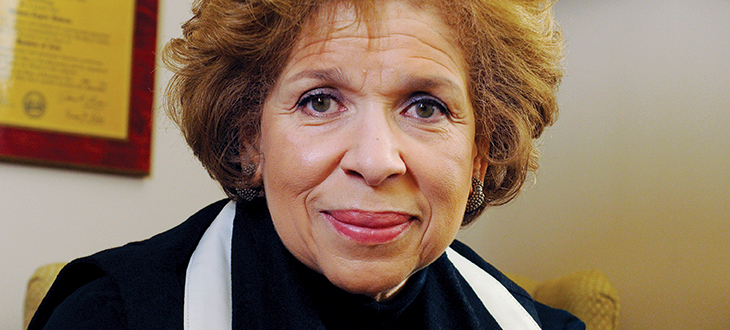
Barbara Roberts, PhD

Clinical Psychologist
Barbara Roberts, PhD

“The players need brute strength to be able to do what they do, but they also need a place to be vulnerable about the issues that often cause them greater pain than what they experience on the field.”

Scoring a Job with the NFL

In 1997, Barbara Roberts, PhD, read a newspaper story about a high-profile football player who had been drinking and was in a car accident. “I thought, ‘Who treats these people?’ Out of curiosity, I started calling around to find out, and one conversation led to another,” she says. Eventually, she reached someone with the NFL who asked if she would be willing to work for their Policy and Programs on Substance Abuse.

Today, her work involves players who have been identified as being at risk of using substances such as opioids, marijuana, alcohol and sedatives. If a player tests positive, he’s evaluated by a team of mental health professionals. “Then they are referred to me for an in-depth interview and further evaluation,” she says. “I make a recommendation about whether to simply continue drug urinalysis monitoring or initiate therapy.”

Prisoners and Soldiers Have Abuse Issues, Too

Roberts earned a doctorate in clinical psychology at the University of Oklahoma where, she says, her supervisors put her in a variety of settings. “I had exposure to many populations, including people dealing with substance abuse and addiction,” she says. That experience led to an internship at the Federal Bureau of Prisons in Oklahoma, where she worked with inmates who had entered the system on drug charges. Her next career stop was the Aberdeen Proving Ground in Maryland, where she launched a program to help active-duty military members who were using drugs. “Later, I worked for the Substance Abuse and Mental Health Services Administration and then the Office of National Drug Control Policy,” she says. “These roles gave me the opportunity to examine treatment programs throughout the country and evaluate what was working and not working in different populations.”

Football Players as People

Roberts relies on her experience and training in the use of evidence-based methods like motivational interviewing to create a trusting, nonjudgmental environment where players know she has no ulterior motive and wants to know them as people. She typically works with players for about two years, and enjoys seeing them take some of the techniques from therapy and apply them to their lives. “They start having healthier relationships with their significant others and families, and create space to just enjoy their football careers,” she says. 

Another benefit has been her deepened knowledge of the game of football. Still, she says, “When I see the players on the field, I don’t respond to them as a fan because I see all the other issues they are facing off the field. Sometimes, it saddens me that the people do not see the entire player, and I am humbled by the ability to carry on in spite of adverse personal circumstances and criticism from fans.”

As a result of her varied experience, Roberts advises aspiring clinical psychologists to think creatively to advance their careers. “We have to get out and look around and see what’s out there,” she says. “It’s easy to assume that a particular door is closed, but I encourage people to knock on doors and think outside the box about ways to apply their skills.”

Clinical Psychology

Psychologists who provide clinical or counseling services assess and treat mental, emotional and behavioral disorders. They use the science of psychology to treat complex human problems and promote change. They also promote resilience and help people discover their strengths.

Date created: 2016
The content I just read: