

skip to main content

This page has been archived and is no longer being updated regularly.

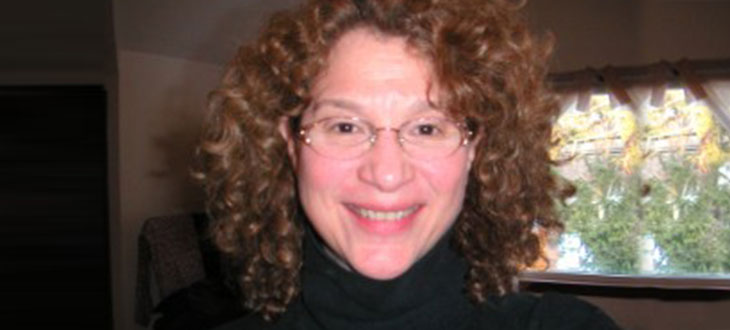
Merla Arnold, PhD

Geropsychologist
Merla Arnold, PhD
"I focus not only on the presenting problem, which is the initial reason for the referral, but I also bring into play the strengths and resiliencies my patients bring after a lifetime of experiences."

Seeing People as Systems

Merla Arnold, PhD, works in nursing homes with patients both in long-term care and shorter-term rehabilitation. In many cases, she helps patients struggling to adjust with this new chapter in their lives. “There are also issues of depression, anxiety, longstanding histories of trauma or mental illness,” she says. For others, it’s coping with the loss of independence, getting along with other residents or staff, and issues related to the end of life.

“I focus not only on the presenting problem, which is the initial reason for the referral, but I also bring into play the strengths and resiliencies my patients bring after a lifetime of experiences,” she says.

Arnold is a counseling psychologist, which is similar to — but different from — a clinical psychologist. “Counseling comes from a basis where you consider a person as part of a system — including their strengths and assets and their abilities to be in the world,” she says. “Clinical has been historically based on an illness model: [The client has a symptom] and you treat the symptom. Over time, however, these differences between subdisciplines are becoming less pronounced, whereby strengths and assets are considered by both.”

Arnold is author of a chapter in the APA Handbook of Clinical Geropsychology that focuses on psychopharmacology and polypharmacy, which is the use of multiple medications by older adults. “The research shows that psychological intervention can help prevent or modify many chronic medical conditions and reduce or eliminate the need for medication,” she says. “In fact, psychological interventions can produce the same neurochemical actions as drugs. Every psychologist can play a key role in preventing or minimizing the unintended consequences many older adults suffer due to inappropriate medication therapies.”

Nursing an Ambition

Although she has had a lifelong interest in psychology, Arnold began her career as a nurse. “It was a very practical decision,” she says. “I could give, which is what I wanted to do — enhance the world and give back — and also earn a living.” While she had hoped to land a post as a hospice nurse, she wound up in psychiatric nursing and quickly moved into an administrative position at a major medical center in New York City. 

“Part of my work was to help departments work with each other,” she says. “There was a lot of difficulty in getting people to break down the boundaries.” In an effort to learn how better to manage these issues, Arnold began taking graduate psychology courses at Columbia University’s Teachers College. After a class called group psychology, “I fell in love with counseling psychology,” she says. Later, she took a course that introduced her to geriatric psychiatry, “and I fell in love again.”

Not a Homogeneous Group

While there’s a tendency for people to think of older adults as being alike and having the same issues, Arnold cautions against that. “I’m always challenged to remember that each person presents as a unique human being with unique experiences, not based on any preconceived notions of what it means to be an older adult,” she says.

She finds the work she does gratifying because she can see positive change in people’s lives. “Taking steps back, you can see the evolution and the growth and development,” she says. “It has happened, after a patient’s death, when I found myself thinking that their life ended at a better place than they were at when our work started. They had more peace, less anxiety, less fear. … Older adults have enormous resilience.”

Counseling Psychology

Counseling psychologists help people recognize their strengths and find resources to cope with everyday problems and adversity. Counseling psychologists focus on interactions between people and their environment, and on educational and career development.

Date created: 2014
The content I just read: