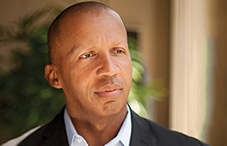

One in three black male children born in the United States is expected to go to jail or prison at some point in his lifetime, said public interest lawyer and Equal Justice Initiative Executive Director Bryan Stevenson, JD, at APA's Annual Convention in August.
"That wasn't true in the 20th century and it wasn't true in the 19th century," he said. "It's true in the 21st century."
While in 1972 there were 300,000 people in jails and prisons, he added, today there are 2.3 million and the United States has the highest rate of incarceration in the world (see Incarceration nation). That difference has less to do with an increase in violent crime than with broader social and psychological dynamics in our society that need more attention at scientific and professional gatherings, said Stevenson, who has devoted much of his career to representing juveniles on death row.
One such dynamic is "proximity," said Stevenson. "We do educational work but we do not go into schools. We work with children and we talk about children, but we don't actually spend time with them. We talk about criminal justice reform and violence, but we don't get close to the people who are engaged in and experience these acts."
One example of how such distance can breed injustice, he said, is the rate of violence against children in jails and prisons. On any given day in this country, 10,000 children are in adult jails and prisons where they face five times the rate of sexual violence and eight times greater rate of suicide, he said.
"We have allowed our distance from the needs of children and our failure to understand these dynamics to make us comfortable tolerating these realities," he said.
Those working toward justice also need to focus on changing the dysfunctional narrative that has emerged about the mental health needs of people in the criminal justice system, which is "simply disconnected from what science tells us," he said.
"I work in very poor communities and one of the hardest things for me to see is children who are clearly traumatized, so clearly disrupted by a level of trauma and violence that it makes it impossible for them to conform to the behavioral expectations of institutions that refuse to see that disability," he said. While most of these children live in violent communities, go to violent schools, routinely see and experience acts of violence, "when they act violently, we call them violent offenders as if somehow they are the aberration," he said.
To change the narrative, the word "trauma" needs to be applied more frequently, he said. "If we don't use that word, we don't use all of these resources and skills and interventions we know and have that can help people suffering from trauma recover," he said.
— Jamie Chamberlin
For more reports from APA's 2014 Annual Convention, visit our convention blogopens in new window.